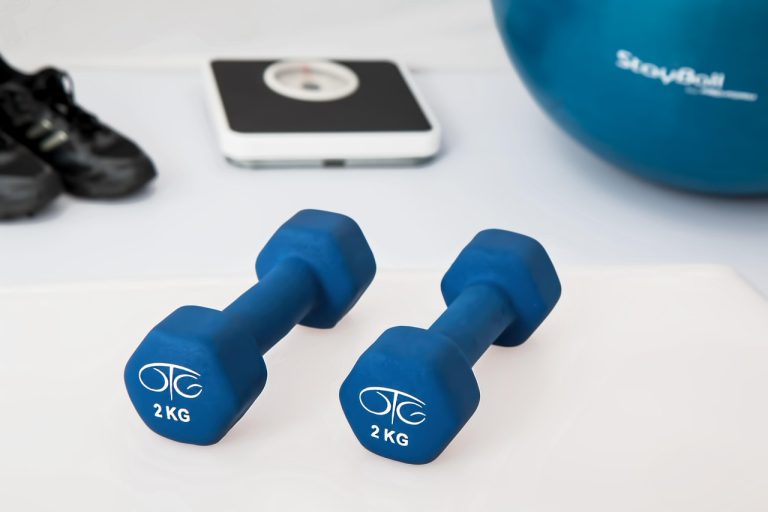
So, you’ve decided to embark on a fitness journey and are wondering how to work out effectively? That’s fantastic! Starting a workout routine can seem daunting, but with the right guidance, it can be a rewarding and enjoyable experience. This comprehensive guide will provide you with all the essential information you need to create a safe and effective workout plan tailored to your individual needs and goals. Let’s get started!
Understanding Your Fitness Goals
Identifying Your Objectives
Before you even lace up your shoes, it’s crucial to define your fitness goals. Are you aiming to lose weight, build muscle, improve cardiovascular health, or simply boost your overall well-being? Clearly defining your objectives will shape your workout plan and keep you motivated.
- Weight Loss: Focus on calorie deficit through diet and exercise, incorporating both cardio and strength training.
- Muscle Building: Prioritize strength training with progressive overload, ensuring sufficient protein intake.
- Cardiovascular Health: Emphasize aerobic exercises like running, swimming, or cycling.
- Overall Wellness: Aim for a balanced routine that includes cardio, strength training, flexibility, and rest.
- Example: Instead of a vague goal like “get in shape,” specify “lose 10 pounds in 2 months” or “run a 5k in 3 months.”
Assessing Your Current Fitness Level
It’s important to understand your current fitness level to avoid overexertion and potential injuries. Consider the following:
- Cardiovascular Endurance: How easily do you get out of breath during moderate activity? Try a brisk walk and note your breathing and heart rate.
- Strength: How much weight can you comfortably lift? Can you perform basic exercises like push-ups and squats with good form?
- Flexibility: Can you touch your toes? Are you able to perform basic stretches without pain or discomfort?
- Tip: Consider consulting with a healthcare professional or certified fitness trainer for a comprehensive fitness assessment.
Creating a Workout Plan
Choosing the Right Exercises
Selecting exercises that align with your goals and fitness level is critical. Here’s a breakdown:
Low Impact: Walking, swimming, cycling (gentle on joints)
High Impact: Running, jumping jacks, HIIT (more demanding)
Bodyweight Exercises: Squats, push-ups, lunges (great for beginners)
Weightlifting: Dumbbells, barbells, machines (allows for progressive overload)
Static Stretching: Holding a stretch for 30 seconds (best after a workout)
Dynamic Stretching: Moving through a range of motion (best before a workout)
- Example: For a beginner focused on weight loss, a sample workout plan might include brisk walking for 30 minutes, 3 times a week, combined with bodyweight strength training exercises twice a week.
Structuring Your Workout Routine
A well-structured workout routine maximizes results and minimizes the risk of injury. Consider these factors:
- Frequency: Aim for at least 150 minutes of moderate-intensity or 75 minutes of vigorous-intensity aerobic activity per week, as recommended by the American Heart Association. Include strength training at least two days a week.
- Intensity: Adjust the intensity of your workouts based on your fitness level and goals. Use the Rate of Perceived Exertion (RPE) scale (1-10) to gauge your effort.
- Time: The duration of your workouts will depend on the type of exercise and your schedule. Aim for at least 30 minutes of exercise per session.
- Type: Variety is key to preventing boredom and targeting different muscle groups. Incorporate different types of exercises into your routine.
- Progression: Gradually increase the intensity, duration, or frequency of your workouts to continue challenging your body. This is known as progressive overload.
- Actionable Takeaway: Start with a manageable routine and gradually increase the intensity or duration as you get stronger.
Sample Weekly Workout Schedule (Beginner)
- Monday: 30-minute brisk walk + bodyweight circuit (squats, push-ups, lunges – 3 sets of 10-12 reps)
- Tuesday: Rest or light stretching
- Wednesday: 30-minute cycling or swimming
- Thursday: Rest or light stretching
- Friday: 30-minute brisk walk + bodyweight circuit (squats, push-ups, lunges – 3 sets of 10-12 reps)
- Saturday: Active rest (yoga, hiking)
- Sunday: Rest
Proper Form and Technique
Importance of Correct Form
Using proper form is crucial to prevent injuries and maximize the effectiveness of your workouts. Always prioritize form over weight or speed.
- Reduce Risk of Injury: Correct form minimizes stress on joints and muscles.
- Maximize Muscle Activation: Proper technique ensures you’re targeting the intended muscle groups.
- Improve Efficiency: Good form allows you to perform exercises more efficiently.
- Example: When performing a squat, keep your back straight, core engaged, and knees aligned with your toes. Avoid rounding your back or letting your knees go past your toes.
Learning Proper Form
- Watch Instructional Videos: Numerous online resources demonstrate correct form for various exercises.
- Use Mirrors: Observing yourself in a mirror can help you identify and correct form issues.
- Seek Professional Guidance: A certified personal trainer can provide personalized feedback and guidance.
- Tip: Start with lighter weights or bodyweight exercises to master the form before increasing the intensity.
Nutrition and Recovery
Fueling Your Body
Nutrition plays a vital role in your fitness journey. Proper nutrition provides the energy you need for workouts and supports muscle recovery.
Protein: Essential for muscle repair and growth. Aim for 0.8-1 gram of protein per pound of body weight.
Carbohydrates: Provide energy for workouts. Choose complex carbohydrates like whole grains, fruits, and vegetables.
Fats: Important for hormone production and overall health. Opt for healthy fats like avocados, nuts, and olive oil.
- Hydration: Drink plenty of water throughout the day, especially before, during, and after workouts.
- Timing: Consume a balanced meal or snack 1-2 hours before your workout and a protein-rich meal or snack within 30-60 minutes after your workout.
- Example: A pre-workout snack could be a banana with peanut butter, while a post-workout meal could be grilled chicken with brown rice and vegetables.
Importance of Rest and Recovery
Rest and recovery are just as important as exercise. Overtraining can lead to injuries and burnout.
- Sleep: Aim for 7-9 hours of quality sleep per night.
- Rest Days: Incorporate rest days into your workout schedule to allow your muscles to recover.
- Active Recovery: Engage in light activities like walking or yoga on rest days to improve blood flow and reduce muscle soreness.
- Stretching: Regular stretching can improve flexibility and reduce muscle tension.
- Actionable Takeaway: Prioritize sleep, nutrition, and rest to optimize your recovery and prevent injuries.
Staying Motivated and Consistent
Setting Realistic Goals
Setting achievable goals is crucial for staying motivated. Start with small, realistic goals and gradually increase the challenge as you progress.
- SMART Goals: Ensure your goals are Specific, Measurable, Achievable, Relevant, and Time-bound.
- Track Your Progress: Monitor your progress to see how far you’ve come and stay motivated.
- Example: Instead of aiming to “lose 50 pounds in a month,” set a more realistic goal like “lose 1-2 pounds per week.”
Finding an Accountability Partner
Working out with a friend or family member can provide motivation and support.
- Schedule Workouts Together: Commit to workout sessions together to stay on track.
- Share Your Progress: Share your progress and challenges with your accountability partner.
- Offer Support and Encouragement: Provide support and encouragement to help each other stay motivated.
Making it Enjoyable
Find activities you enjoy to make exercise a sustainable habit.
- Try Different Activities: Experiment with different types of exercises to find what you like.
- Listen to Music or Podcasts: Listening to your favorite music or podcasts can make your workouts more enjoyable.
- Join a Fitness Class or Group: Working out with others can be a fun and social experience.
Conclusion
Embarking on a workout routine is a journey that requires dedication, consistency, and a clear understanding of your goals and needs. By following the guidelines outlined in this comprehensive guide, you can create a safe, effective, and enjoyable workout plan that will help you achieve your fitness goals and improve your overall well-being. Remember to prioritize proper form, nutrition, and recovery, and stay motivated by setting realistic goals and finding an accountability partner. Good luck on your fitness journey!