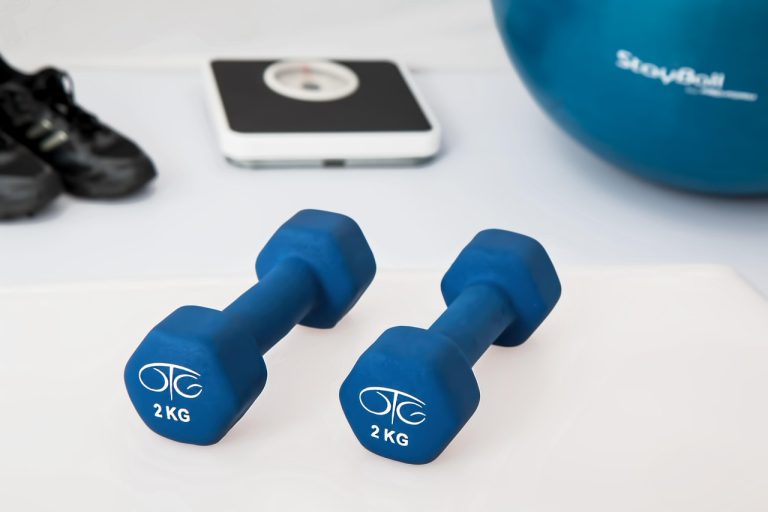
Embarking on a fitness journey can feel overwhelming. Where do you start? What exercises are right for you? How do you stay motivated? Learning to workout effectively and safely is a process, but with the right guidance and information, you can achieve your fitness goals and build a healthier lifestyle. This comprehensive guide will provide you with a solid foundation to start your workout journey, covering everything from understanding your fitness level to creating a personalized workout plan.
Assessing Your Current Fitness Level
Before jumping into a workout routine, it’s crucial to understand your current fitness level. This assessment provides a baseline and helps you set realistic goals.
Basic Fitness Tests
- Cardiovascular Endurance: Test your cardiovascular health with a simple test like the 1-mile walk/run test or the 3-minute step test. Time yourself during the 1-mile walk/run, or track your heart rate recovery after the 3-minute step test. These results will give you a starting point for improving your cardiovascular fitness.
- Muscular Strength: Measure your muscular strength by performing simple exercises like push-ups or bodyweight squats. Count how many repetitions you can perform with good form.
- Muscular Endurance: Assess your muscular endurance by holding a plank for as long as possible or performing as many sit-ups as you can in a minute.
- Flexibility: Evaluate your flexibility with a sit-and-reach test. Sit with your legs extended and reach towards your toes. Measure how far you can reach beyond your toes.
- Example: If you can only perform 5 push-ups with good form, focus on exercises that build upper body strength. If you struggle to touch your toes, incorporate stretching exercises into your routine.
Consulting a Professional
While self-assessment is useful, consulting a certified personal trainer or healthcare professional can provide a more accurate and personalized evaluation. They can conduct comprehensive fitness tests and offer tailored recommendations based on your specific needs and goals. They can also identify any potential health risks or limitations you should be aware of.
Creating a Workout Plan
A well-structured workout plan is essential for achieving your fitness goals effectively. It should include a variety of exercises targeting different muscle groups and fitness components.
Setting Realistic Goals
- Specific: Clearly define what you want to achieve. Instead of “I want to get in shape,” aim for “I want to lose 10 pounds in 3 months.”
- Measurable: Quantify your goals so you can track your progress.
- Achievable: Set goals that are challenging but realistic for your current fitness level.
- Relevant: Ensure your goals align with your overall health and lifestyle objectives.
- Time-bound: Set a specific deadline for achieving your goals.
- Example: A realistic goal could be “I want to be able to run a 5k race in 6 months by following a structured training plan and gradually increasing my running distance each week.”
Types of Exercises to Include
- Cardiovascular Exercise: Activities that elevate your heart rate and improve cardiovascular health, such as running, cycling, swimming, or dancing. Aim for at least 150 minutes of moderate-intensity or 75 minutes of vigorous-intensity cardio per week.
- Strength Training: Exercises that build muscle mass and strength, using weights, resistance bands, or bodyweight. Include exercises that target all major muscle groups (legs, chest, back, shoulders, arms, and core).
- Flexibility and Mobility: Stretching exercises that improve flexibility, range of motion, and reduce the risk of injury. Include static stretches (holding a stretch for 30 seconds) and dynamic stretches (moving through a range of motion).
- Core Work: Exercises that strengthen your core muscles, which are essential for stability, balance, and posture. Include exercises like planks, crunches, and Russian twists.
Sample Weekly Workout Schedule
Here’s a sample workout schedule for beginners:
- Monday: Strength Training (Full Body)
- Tuesday: Cardio (30 minutes brisk walking or cycling)
- Wednesday: Rest or Active Recovery (yoga or light stretching)
- Thursday: Strength Training (Full Body)
- Friday: Cardio (30 minutes jogging or swimming)
- Saturday: Rest or Active Recovery (hiking or leisurely activities)
- Sunday: Rest
- Important Note: Gradually increase the intensity and duration of your workouts as you get fitter. Listen to your body and take rest days when needed.
Proper Form and Technique
Using proper form and technique is crucial to prevent injuries and maximize the effectiveness of your workouts.
Importance of Correct Form
- Reduces Risk of Injury: Correct form minimizes stress on joints and muscles, reducing the likelihood of strains, sprains, and other injuries.
- Maximizes Muscle Activation: Proper form ensures that you are targeting the intended muscles and engaging them effectively.
- Improves Efficiency: Correct technique allows you to perform exercises more efficiently, resulting in better results.
Common Mistakes to Avoid
- Lifting Too Heavy: Using weights that are too heavy can compromise your form and increase the risk of injury. Start with lighter weights and gradually increase the load as you get stronger.
- Rushing Through Reps: Performing reps too quickly can lead to poor form and reduced muscle activation. Focus on controlled movements and proper technique.
- Neglecting Warm-up and Cool-down: Skipping warm-up and cool-down routines can increase the risk of injury and reduce workout effectiveness. Always warm up with light cardio and dynamic stretching before your workout, and cool down with static stretching afterward.
- Not Engaging Core Muscles: Engaging your core muscles during exercises provides stability and support, reducing the risk of back pain and injuries.
Resources for Learning Proper Form
- Online Videos: Watch instructional videos on platforms like YouTube to learn the correct form for various exercises. Channels like Athlean-X and Jeff Nippard offer excellent demonstrations and explanations.
- Personal Trainers: Work with a certified personal trainer who can provide personalized guidance and feedback on your form and technique.
- Fitness Apps: Use fitness apps that provide video demonstrations and form correction features. Apps like Fitbod and JEFIT can be helpful.
Staying Motivated and Consistent
Consistency is key to achieving long-term fitness success. Staying motivated can be challenging, but there are several strategies you can use to maintain your momentum.
Setting Achievable Milestones
Break down your long-term goals into smaller, more manageable milestones. This makes the process less daunting and provides a sense of accomplishment as you reach each milestone.
- Example: Instead of aiming to lose 50 pounds, set a goal to lose 5 pounds per month.
Finding a Workout Buddy
Working out with a friend or family member can provide motivation, accountability, and support. Having someone to exercise with can make the experience more enjoyable and help you stick to your workout schedule.
Tracking Your Progress
Keep track of your workouts, weight, measurements, and other relevant data. Seeing your progress over time can be highly motivating and encourage you to continue working towards your goals.
- Use a fitness tracker or app to monitor your activity levels and sleep patterns.
- Keep a workout journal to record your exercises, sets, reps, and weights.
- Take progress photos to visually track your body changes.
Rewarding Yourself
Reward yourself for reaching your fitness milestones. Choose non-food-related rewards, such as new workout clothes, a massage, or a fun activity.
Making it Enjoyable
Find activities that you enjoy and incorporate them into your workout routine. Exercise shouldn’t feel like a chore. Experiment with different types of workouts, such as dance classes, hiking, or team sports, to find activities that you look forward to.
Nutrition and Recovery
Proper nutrition and recovery are essential components of a successful workout program.
Importance of a Balanced Diet
- Fueling Your Workouts: A balanced diet provides the energy and nutrients you need to power through your workouts.
- Muscle Recovery: Protein is essential for repairing and rebuilding muscle tissue after exercise.
- Overall Health: A healthy diet supports overall health and well-being, improving energy levels, immune function, and reducing the risk of chronic diseases.
Key Nutrients for Exercise
- Protein: Aim for 0.8-1 gram of protein per pound of bodyweight per day to support muscle growth and repair.
- Carbohydrates: Consume complex carbohydrates, such as whole grains, fruits, and vegetables, to provide energy for your workouts.
- Healthy Fats: Include healthy fats, such as avocados, nuts, and olive oil, for hormone production and overall health.
- Vitamins and Minerals: Ensure you are getting adequate vitamins and minerals through a balanced diet or supplements.
Importance of Rest and Recovery
- Muscle Repair: Rest allows your muscles to repair and rebuild after exercise.
- Preventing Overtraining: Adequate rest prevents overtraining, which can lead to fatigue, injury, and burnout.
- Improving Performance: Proper recovery enhances performance and allows you to train at your best.
Tips for Effective Recovery
- Get Enough Sleep: Aim for 7-9 hours of sleep per night.
- Stay Hydrated: Drink plenty of water throughout the day.
- Active Recovery: Engage in light activity, such as walking or stretching, on rest days to promote blood flow and reduce muscle soreness.
- Foam Rolling: Use a foam roller to release muscle tension and improve flexibility.
Conclusion
Learning to workout effectively is a journey that requires patience, dedication, and a commitment to your health and well-being. By assessing your fitness level, creating a personalized workout plan, using proper form, staying motivated, and prioritizing nutrition and recovery, you can achieve your fitness goals and build a healthier, happier lifestyle. Remember to listen to your body, celebrate your progress, and enjoy the process of becoming a fitter, stronger, and healthier version of yourself.