Physical Address
304 North Cardinal St.
Dorchester Center, MA 02124
Physical Address
304 North Cardinal St.
Dorchester Center, MA 02124


Embarking on a fitness journey can feel overwhelming, like scaling a mountain without a map. The sheer volume of information available online, coupled with conflicting advice, often leaves beginners feeling lost and discouraged. However, starting a fitness routine doesn’t have to be daunting. With the right approach, a little planning, and a healthy dose of self-compassion, you can build a sustainable fitness habit that transforms your health and well-being. This guide provides a step-by-step approach to kickstarting your fitness journey, ensuring you build a solid foundation for long-term success.
Before you even lace up your sneakers, take some time to reflect on why you want to get fit. This intrinsic motivation is crucial for staying committed when motivation wanes.
Improve overall health and longevity.
Boost energy levels and reduce fatigue.
Manage stress and improve mental well-being.
Improve physical appearance and self-confidence.
Train for a specific event (e.g., a 5k race).
Once you know your “why,” it’s time to set SMART goals: Specific, Measurable, Achievable, Relevant, and Time-bound. This framework helps you create concrete, attainable objectives.
Specific: Run a 5k race.
Measurable: Track running distance and time using a fitness tracker.
Achievable: Gradually increase running distance and pace over time. Start with walking intervals if needed.
Relevant: Aligns with the goal of improving cardiovascular health.
Time-bound: Complete the 5k race within 6 months.
Specific: Be able to perform 10 consecutive push-ups with proper form.
Measurable: Track the number of push-ups completed during each workout.
Achievable: Start with modified push-ups (on knees) and gradually progress to full push-ups.
Relevant: Improves upper body strength.
Time-bound: Achieve 10 consecutive push-ups within 3 months.
Cardiovascular exercise is essential for improving heart health, burning calories, and boosting endurance. Aim for at least 150 minutes of moderate-intensity or 75 minutes of vigorous-intensity aerobic activity per week, as recommended by the American Heart Association.
Brisk walking: A low-impact option perfect for beginners.
Running: A more intense option that burns more calories.
Swimming: A full-body workout that’s gentle on the joints.
Cycling: A versatile option that can be done indoors or outdoors.
Dancing: A fun and engaging way to get your heart rate up.
Strength training helps build muscle mass, which increases your metabolism and improves overall strength and bone density. Aim for at least two strength training sessions per week, working all major muscle groups (legs, back, chest, shoulders, arms, and core).
Bodyweight exercises: Push-ups, squats, lunges, planks, and crunches.
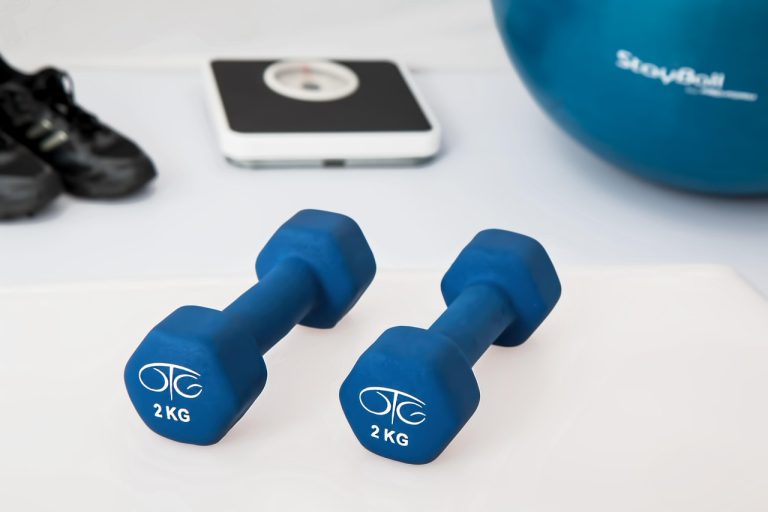
Weightlifting: Using dumbbells, barbells, or weight machines.
Resistance bands: A versatile and portable option for adding resistance to exercises.
Flexibility and mobility exercises improve your range of motion, reduce the risk of injuries, and enhance overall physical performance. Incorporate stretching or mobility work into your routine several times a week.
Static stretching: Holding a stretch for 30 seconds.
Dynamic stretching: Performing controlled movements through a range of motion.
Yoga: A mind-body practice that improves flexibility, strength, and balance.
Foam rolling: A self-massage technique that releases muscle tension.
Proper nutrition is just as important as exercise for achieving your fitness goals. Focus on eating a balanced diet that includes plenty of fruits, vegetables, lean protein, and whole grains.
Protein: Essential for muscle repair and growth (aim for 0.8 grams per kilogram of body weight).
Carbohydrates: Provide energy for workouts (choose complex carbohydrates like whole grains and vegetables).
Healthy fats: Important for hormone production and overall health (choose unsaturated fats like avocados, nuts, and olive oil).
Hydration: Drink plenty of water throughout the day to stay hydrated.
Planning your meals in advance can help you stay on track with your nutrition goals.
Plan your meals for the week on the weekend.
Create a grocery list based on your meal plan.
Prepare meals in advance to avoid unhealthy impulse choices.
Pack healthy snacks to have on hand when you’re hungry.
Tracking your progress can help you stay motivated and see how far you’ve come.
Use a fitness tracker to monitor your activity levels and sleep patterns.
Keep a workout journal to record your exercises and progress.
Take progress photos to visually track your changes.
Measure your weight and body measurements regularly.
Having a support system can make a big difference in your ability to stay motivated and consistent with your fitness routine.
Join a fitness class or gym.
Find a workout buddy.
Connect with online fitness communities.
Share your fitness goals with friends and family.
It’s normal to experience setbacks and challenges along your fitness journey. The key is to not give up.
Identify your triggers and develop strategies to overcome them.
Don’t be afraid to ask for help.
Remember your “why” and focus on your long-term goals.
Be patient and persistent.
Starting a fitness journey is a significant step towards a healthier and happier life. By setting realistic goals, creating a balanced fitness plan, focusing on proper nutrition, and staying motivated, you can build a sustainable fitness habit that lasts a lifetime. Remember to be patient with yourself, celebrate your progress, and enjoy the journey! Fitness is not a destination, but a continuous process of self-improvement and well-being.