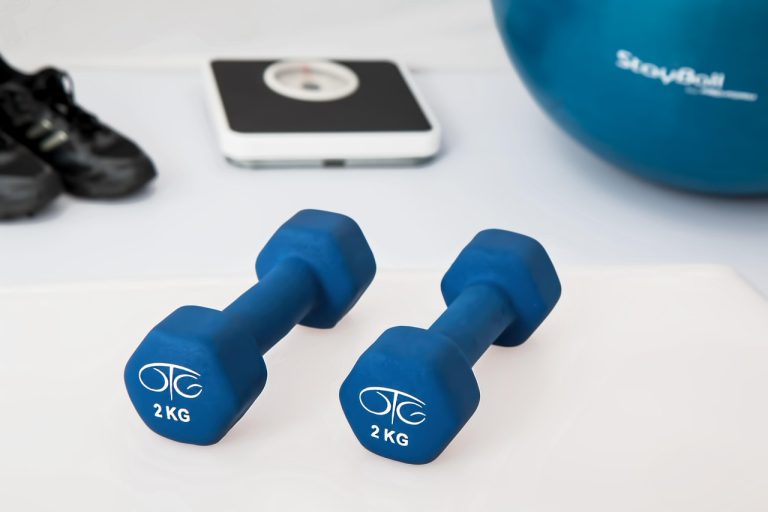
Getting fit can feel like climbing Mount Everest – daunting, overwhelming, and seemingly impossible in one go. But what if I told you there’s a gentler, more sustainable path to reaching your peak? Embracing a slow and steady approach to fitness not only minimizes the risk of injury and burnout but also allows you to build lasting habits that seamlessly integrate into your life. This isn’t a sprint; it’s a marathon. And we’re here to equip you with the knowledge and tools to enjoy the journey.
Understanding the Benefits of Gradual Fitness
Why Slow and Steady Wins the Race
Jumping headfirst into an intense workout routine might seem appealing, but it’s rarely a recipe for long-term success. A gradual approach offers numerous advantages:
- Reduced Risk of Injury: Pushing your body too hard, too soon, increases the likelihood of strains, sprains, and other injuries that can sideline your progress.
- Increased Adherence: Gradual changes are easier to adapt to and maintain. By slowly incorporating fitness into your routine, you’re more likely to stick with it long-term.
- Improved Mental Well-being: A sustainable approach reduces the feeling of overwhelm and allows you to celebrate small victories, boosting your confidence and motivation.
- Enhanced Recovery: Your body needs time to adapt to new stresses. A gradual increase in activity allows for adequate recovery, minimizing muscle soreness and fatigue.
- Sustainable Habit Formation: It’s about lifestyle change, not a quick fix. Small, consistent actions become ingrained habits over time.
Consider this: Studies show that individuals who adopt incremental lifestyle changes are more likely to maintain those changes over the long term compared to those who make drastic, sudden alterations.
Key Principles of Gradual Fitness
These are the cornerstones of a successful, slow-and-steady fitness journey:
- Consistency is King: Regular, moderate activity trumps sporadic, intense workouts.
- Listen to Your Body: Pay attention to pain signals and adjust your intensity accordingly. Rest when you need to.
- Progressive Overload: Gradually increase the intensity, duration, or frequency of your workouts over time.
- Set Realistic Goals: Break down your larger fitness goals into smaller, achievable milestones.
- Find Activities You Enjoy: Exercise shouldn’t feel like a chore. Explore different activities until you find ones you genuinely like.
Starting Small: Building a Foundation
Begin with Basic Movements
Don’t jump straight into complicated exercises. Start with fundamental movements to build strength and stability:
- Bodyweight Exercises: Squats, push-ups (modified on your knees if needed), planks, lunges, and bird dogs. Aim for 2-3 sets of 10-12 repetitions.
- Walking: Begin with 15-20 minute walks a few times a week and gradually increase the duration and frequency.
- Stretching: Incorporate a daily stretching routine to improve flexibility and prevent injuries. Hold each stretch for 20-30 seconds.
Example: Week 1, focus on walking 20 minutes three times a week. Week 2, increase the walks to 25 minutes. Week 3, add a light bodyweight circuit twice a week.
Focus on Consistency over Intensity
It’s more important to show up consistently than to push yourself to your limits every time you work out.
- Set a Schedule: Plan your workouts in advance and treat them like important appointments.
- Start Slow: Don’t feel pressured to perform at a high intensity right away. Gradually increase the intensity as you get fitter.
- Listen to Your Body: Don’t push through pain. Rest and recover when you need to.
For instance, instead of aiming for an hour-long run at a fast pace, start with 30-minute brisk walks and gradually incorporate short bursts of jogging.
Gradually Increasing Intensity and Duration
Applying Progressive Overload
Progressive overload is the principle of gradually increasing the demands placed on your body to stimulate adaptation and improvement.
- Increase Weight: If you’re lifting weights, gradually increase the weight you lift as you get stronger. (increase 2.5 to 5lbs at a time)
- Increase Repetitions: If you’re doing bodyweight exercises, increase the number of repetitions you perform.
- Increase Sets: Add an extra set to your workout routine.
- Increase Duration: Increase the length of your workouts.
- Increase Frequency: Workout more days per week.
For example, if you can comfortably perform 12 push-ups, try adding another set or increasing the difficulty by elevating your feet.
Monitoring Your Progress
Tracking your progress can help you stay motivated and identify areas where you need to adjust your approach.
- Keep a Workout Log: Record your workouts, including the exercises you performed, the weight you lifted, and the number of repetitions and sets you completed.
- Take Measurements: Track your waist circumference, weight, and other relevant measurements to monitor your physical changes.
- Take Progress Photos: Visual comparisons can be highly motivating.
- Use a Fitness Tracker: Track your steps, heart rate, and other activity metrics.
Regularly review your progress and adjust your training plan as needed to ensure that you’re continuing to challenge yourself without overdoing it.
Incorporating Variety and Rest
Mixing Up Your Routine
Variety is essential for preventing boredom and promoting well-rounded fitness. Engaging in different activities challenges your body in new ways and helps you avoid plateaus.
- Try New Activities: Explore different types of exercise, such as swimming, cycling, hiking, or dancing.
- Vary Your Workouts: Change the exercises, sets, repetitions, or intensity of your workouts.
- Cross-Training: Incorporate activities that complement your primary form of exercise to improve overall fitness and prevent overuse injuries.
Example: If you primarily focus on running, incorporate strength training and yoga into your routine to improve your overall fitness and flexibility.
The Importance of Rest and Recovery
Rest and recovery are just as important as exercise. Your body needs time to repair and rebuild muscle tissue after workouts.
- Get Enough Sleep: Aim for 7-9 hours of sleep per night.
- Active Recovery: Engage in light activities, such as walking or stretching, on your rest days to promote blood flow and reduce muscle soreness.
- Listen to Your Body: Take extra rest days when you’re feeling tired or sore.
- Proper Nutrition: Fuel your body with a healthy diet to support recovery and muscle growth.
Overtraining can lead to fatigue, injury, and decreased performance. Prioritize rest and recovery to maximize your fitness gains.
Nutrition for Sustained Fitness
Fueling Your Body Properly
A healthy diet is essential for supporting your fitness goals. Focus on consuming whole, unprocessed foods that provide your body with the nutrients it needs to thrive.
- Eat Plenty of Fruits and Vegetables: Aim for at least five servings of fruits and vegetables per day.
- Choose Lean Protein Sources: Include lean protein sources, such as chicken, fish, beans, and lentils, in your diet.
- Consume Healthy Fats: Incorporate healthy fats, such as avocados, nuts, and olive oil, into your diet.
- Limit Processed Foods, Sugary Drinks, and Unhealthy Fats: These foods can hinder your progress and negatively impact your health.
Hydration and Meal Timing
Proper hydration and meal timing can also play a significant role in your fitness journey.
- Stay Hydrated: Drink plenty of water throughout the day, especially before, during, and after workouts.
- Eat Before and After Workouts: Consume a light snack or meal before your workouts to provide your body with energy, and eat a post-workout meal to replenish your glycogen stores and promote muscle recovery.
- Listen to Your Body: Pay attention to your hunger cues and eat when you’re hungry.
A well-balanced diet and proper hydration are crucial for fueling your workouts and supporting your overall health and well-being.
Conclusion
Embracing a gradual approach to fitness isn’t about instant gratification; it’s about building a sustainable, healthy lifestyle that you can enjoy for years to come. By starting small, gradually increasing intensity, incorporating variety and rest, and fueling your body with proper nutrition, you can achieve your fitness goals without risking injury or burnout. Remember, it’s a marathon, not a sprint. Focus on making small, consistent changes that you can maintain over the long term, and celebrate your progress along the way. You’ve got this!