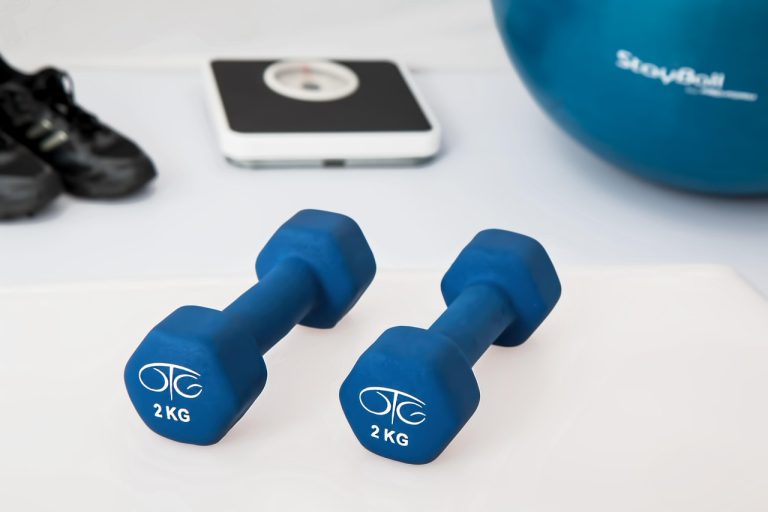
Embarking on a workout journey can feel daunting, but with the right knowledge and approach, it can be an incredibly rewarding experience. Whether you’re aiming to improve your overall health, build muscle, lose weight, or simply boost your energy levels, understanding the fundamentals of exercise is key. This comprehensive guide will provide you with the essential steps and considerations for creating an effective and enjoyable workout routine tailored to your individual needs and goals.
Setting Your Fitness Goals
Defining Your Objectives
Before diving into specific exercises, it’s crucial to define what you want to achieve. Clear goals provide motivation and direction.
- Weight Loss: Aim to burn more calories than you consume. A combination of cardio and strength training is highly effective.
- Muscle Gain: Focus on strength training with progressive overload (gradually increasing weight or reps). Adequate protein intake is essential.
- Improved Endurance: Incorporate cardiovascular exercises like running, swimming, or cycling, gradually increasing distance and intensity.
- Overall Health: A balanced approach that includes cardio, strength training, flexibility, and balance exercises is ideal.
- Example: Instead of saying “I want to get in shape,” try “I want to lose 10 pounds and be able to run a 5k within 3 months.”
The SMART Goal Framework
Use the SMART framework to create realistic and achievable goals:
- Specific: Clearly define your goal.
- Measurable: Track your progress.
- Achievable: Set a challenging but attainable goal.
- Relevant: Ensure the goal aligns with your values and priorities.
- Time-bound: Set a deadline for achieving your goal.
- Actionable Takeaway: Write down your fitness goals using the SMART framework. This will provide a clear roadmap for your fitness journey.
Choosing the Right Workout Type
Cardiovascular Exercise (Cardio)
Cardio workouts are essential for improving heart health, burning calories, and boosting endurance.
- Running: A simple and effective cardio exercise. Start with brisk walking and gradually increase your running intervals.
- Swimming: A low-impact option that works multiple muscle groups.
- Cycling: Great for building leg strength and improving cardiovascular fitness.
- Dancing: A fun and engaging way to get your heart rate up. Studies show that dancing can improve mood and cognitive function.
- Example: Aim for at least 150 minutes of moderate-intensity cardio or 75 minutes of vigorous-intensity cardio per week, as recommended by the American Heart Association.
Strength Training
Strength training builds muscle mass, increases bone density, and improves overall strength and power.
- Bodyweight Exercises: Push-ups, squats, lunges, and planks are excellent starting points.
- Weightlifting: Using dumbbells, barbells, or weight machines to challenge your muscles.
- Resistance Bands: A versatile and portable option for strength training.
- Example: Perform strength training exercises at least two days per week, focusing on all major muscle groups (legs, back, chest, shoulders, arms, and core).
Flexibility and Mobility
Flexibility and mobility exercises improve range of motion, reduce the risk of injury, and enhance overall athletic performance.
- Stretching: Hold each stretch for 30 seconds to improve flexibility.
- Yoga: Combines stretching, strength training, and mindfulness.
- Foam Rolling: Helps to release muscle tension and improve circulation.
- Actionable Takeaway: Incorporate a variety of workout types into your routine to achieve a well-rounded fitness program. Aim for a balance of cardio, strength training, and flexibility exercises.
Creating a Workout Plan
Structuring Your Weekly Routine
A well-structured workout plan ensures you’re working all muscle groups and allowing adequate recovery time.
- Monday: Strength training (Legs)
- Tuesday: Cardio (Running)
- Wednesday: Rest or Active Recovery (Yoga or Light Stretching)
- Thursday: Strength training (Upper Body)
- Friday: Cardio (Swimming or Cycling)
- Saturday: Strength training (Full Body)
- Sunday: Rest
- Important: Listen to your body and adjust your plan as needed. Don’t be afraid to take rest days when you feel fatigued or sore.
Sample Workout Examples
- Beginner Full-Body Workout:
Squats: 3 sets of 10-12 reps
Push-ups (on knees if necessary): 3 sets of as many reps as possible
Dumbbell Rows: 3 sets of 10-12 reps per arm
Plank: 3 sets, holding for 30 seconds
- Intermediate Upper Body Workout:
Bench Press: 3 sets of 8-10 reps
Overhead Press: 3 sets of 8-10 reps
Pull-ups (assisted if needed): 3 sets of as many reps as possible
Bicep Curls: 3 sets of 10-12 reps
Triceps Dips: 3 sets of 10-12 reps
Progression and Overload
Gradually increase the intensity, duration, or frequency of your workouts to continue making progress.
- Increase Weight: Lift heavier weights as you get stronger.
- Increase Reps: Perform more repetitions with the same weight.
- Increase Sets: Add more sets to your workout.
- Reduce Rest Time: Shorten the rest periods between sets.
- Increase Cardio Duration or Intensity: Run faster, cycle longer, or swim more laps.
- Actionable Takeaway: Design a weekly workout plan that includes a variety of exercises and gradually increase the intensity over time.
Nutrition and Recovery
Fueling Your Body
Proper nutrition is essential for maximizing your workout results and supporting overall health.
- Protein: Important for muscle repair and growth. Aim for 0.8-1 gram of protein per pound of body weight. Sources include lean meats, poultry, fish, beans, lentils, and tofu.
- Carbohydrates: Provide energy for your workouts. Choose complex carbohydrates like whole grains, fruits, and vegetables.
- Healthy Fats: Important for hormone production and overall health. Sources include avocados, nuts, seeds, and olive oil.
- Example: A pre-workout meal could include a banana with peanut butter, while a post-workout meal could include grilled chicken with brown rice and vegetables.
Hydration
Staying hydrated is crucial for performance and recovery.
- Drink water before, during, and after your workouts.
- Electrolyte drinks can help replenish lost electrolytes during intense workouts.
Rest and Recovery
Adequate rest is essential for muscle repair and growth.
- Aim for 7-9 hours of sleep per night.
- Incorporate active recovery days into your routine.
- Consider using massage or foam rolling to reduce muscle soreness.
- Actionable Takeaway: Prioritize proper nutrition, hydration, and rest to support your workouts and promote recovery.
Avoiding Injuries
Proper Warm-up and Cool-down
- Warm-up: Prepare your muscles for exercise with light cardio and dynamic stretching (e.g., arm circles, leg swings).
- Cool-down: Gradually decrease your heart rate and stretch your muscles to improve flexibility and reduce muscle soreness.
Correct Form and Technique
- Focus on maintaining proper form during all exercises.
- Consider working with a certified personal trainer to learn proper technique.
- Start with lighter weights and gradually increase as your form improves.
Listen to Your Body
- Don’t push through pain.
- Take rest days when needed.
- Consult a healthcare professional if you experience any injuries.
- *Actionable Takeaway: Prioritize safety by warming up properly, using correct form, and listening to your body.
Conclusion
Embarking on a workout journey requires dedication, consistency, and a well-informed approach. By setting clear goals, choosing the right workout types, creating a structured plan, prioritizing nutrition and recovery, and avoiding injuries, you can achieve your fitness aspirations. Remember to listen to your body, stay consistent, and celebrate your progress along the way. Fitness is a lifelong journey, not a destination.