Embarking on a fitness journey can feel overwhelming, but it doesn’t have to be! This comprehensive guide is designed to help beginners build a solid foundation for a healthier and more active lifestyle. We’ll break down the essential steps to create a sustainable and enjoyable fitness plan, ensuring you achieve your goals safely and effectively. Whether you’re looking to lose weight, build strength, or simply improve your overall well-being, this beginner fitness plan provides the roadmap you need to succeed.
Defining Your Fitness Goals
Why Setting Goals Matters
Before jumping into any exercise routine, it’s crucial to define your fitness goals. Having clear, achievable goals provides motivation and helps you track your progress. According to a study by the American Psychological Association, individuals who set specific goals are more likely to achieve them.
- Increased Motivation: Goals give you something to strive for.
- Improved Focus: Goals help you concentrate your efforts.
- Measurable Progress: You can easily track your achievements and adjust your plan accordingly.
SMART Goal Setting
A popular and effective method for goal setting is the SMART framework:
- Specific: Instead of “get in shape,” aim for “lose 10 pounds.”
- Measurable: Track your progress using a scale, measuring tape, or fitness tracker.
- Achievable: Set realistic goals based on your current fitness level and lifestyle. Don’t try to run a marathon next week if you can barely jog a mile.
- Relevant: Choose goals that align with your overall health and well-being objectives.
- Time-bound: Set a deadline for achieving your goal, such as “lose 10 pounds in 3 months.”
- Example: A SMART goal could be: “I will walk for 30 minutes, 3 times a week, for the next 6 weeks to improve my cardiovascular health.”
Building a Well-Rounded Workout Routine
Cardio for Beginners
Cardiovascular exercise is essential for improving heart health, burning calories, and increasing endurance.
- Walking: A low-impact and accessible option. Start with 20-30 minute walks at a brisk pace, gradually increasing the duration and intensity.
- Cycling: Gentle on the joints and can be done indoors or outdoors. Begin with 30-minute rides at a moderate resistance.
- Swimming: A full-body workout that’s easy on the joints. Aim for 30-minute sessions of continuous swimming.
- Elliptical: Offers a low-impact, full-body cardio workout. Start with 20-30 minute sessions, focusing on maintaining a consistent pace.
- Tip: Incorporate interval training by alternating between periods of high intensity and rest to boost calorie burn and improve cardiovascular fitness. For example, walk at a normal pace for 5 minutes then walk at a brisk pace for 2 minutes, repeating this cycle for 20 minutes.
Strength Training Basics
Strength training helps build muscle mass, increase metabolism, and improve bone density.
- Bodyweight Exercises: Utilize your own body weight for resistance. Examples include:
Squats: Stand with feet shoulder-width apart, lower your hips as if sitting in a chair.
Push-ups: Start in a plank position, lower your chest towards the ground, and push back up. Beginners can modify by doing push-ups against a wall or on their knees.
Lunges: Step forward with one leg, lowering your hips until both knees are bent at a 90-degree angle.
Plank: Hold a straight line from head to heels, engaging your core.
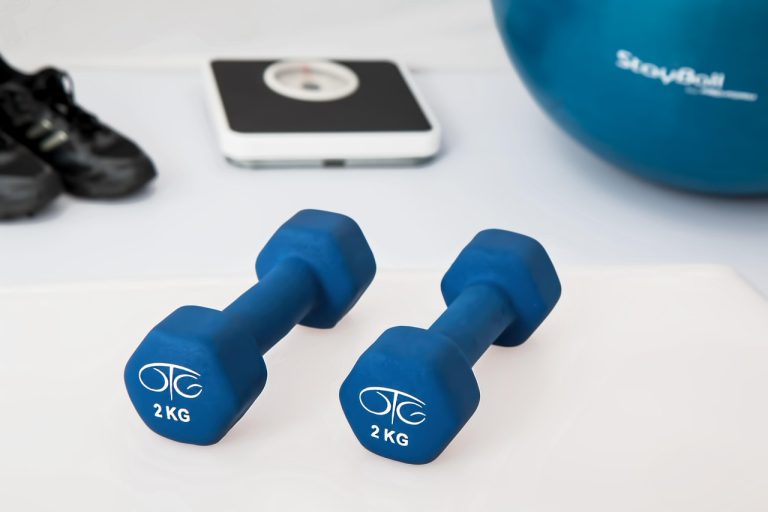
- Dumbbell Exercises: Use dumbbells to add resistance and challenge your muscles further. Start with light weights (2-5 pounds) and gradually increase as you get stronger. Examples include:
Bicep Curls: Curl the dumbbells up towards your shoulders.
Overhead Press: Press the dumbbells overhead.
Rows: Bend over and pull the dumbbells towards your chest.
- Important: Focus on proper form to prevent injuries. Watch videos and consider working with a trainer to learn the correct technique. Aim for 2-3 strength training sessions per week, allowing for rest days in between.
Flexibility and Stretching
Flexibility is often overlooked but crucial for preventing injuries and improving range of motion.
- Static Stretching: Hold each stretch for 20-30 seconds. Examples include:
Hamstring Stretch: Sit on the floor with legs extended and reach towards your toes.
Quadriceps Stretch: Stand and pull one heel towards your glutes.
Shoulder Stretch: Reach one arm across your body and use the other arm to gently pull it closer.
- Dynamic Stretching: Involve movement to warm up muscles before exercise. Examples include:
Arm Circles: Rotate your arms forward and backward in small circles.
Leg Swings: Swing your legs forward and backward.
Torso Twists: Twist your torso from side to side.
- Recommendation: Incorporate stretching into your routine daily, focusing on major muscle groups.
Sample Beginner Workout Plan
Here’s a sample 4-day workout plan for beginners:
- Day 1: Cardio (30 minutes of walking or cycling) + Full Body Stretching (10 minutes)
- Day 2: Strength Training (bodyweight exercises – squats, push-ups (modified if needed), lunges, plank) – 2 sets of 10-12 repetitions per exercise.
- Day 3: Rest or Active Recovery (light walking, yoga)
- Day 4: Cardio (30 minutes of elliptical or swimming) + Full Body Stretching (10 minutes)
- Day 5: Strength Training (dumbbell exercises – bicep curls, overhead press, rows) – 2 sets of 10-12 repetitions per exercise.
- Day 6 & 7: Rest
- Note: Listen to your body and adjust the plan as needed. Don’t hesitate to take rest days when you feel sore or fatigued.
Nutrition for Fitness Success
The Importance of a Balanced Diet
Exercise is only one piece of the puzzle. Nutrition plays a vital role in achieving your fitness goals. A balanced diet provides the fuel your body needs for workouts and helps with recovery.
- Protein: Essential for muscle repair and growth. Good sources include lean meats, poultry, fish, eggs, beans, and lentils. Aim for 0.8 grams of protein per kilogram of body weight per day.
- Carbohydrates: Provide energy for workouts. Choose complex carbohydrates like whole grains, fruits, and vegetables over processed carbs.
- Healthy Fats: Important for hormone production and overall health. Include sources like avocados, nuts, seeds, and olive oil in your diet.
- Vitamins and Minerals: Essential for various bodily functions. Ensure you’re getting a variety of fruits and vegetables.
Hydration is Key
Staying hydrated is crucial for performance and recovery. Dehydration can lead to fatigue, muscle cramps, and decreased performance.
- Drink plenty of water throughout the day. A good guideline is to drink half your body weight in ounces of water. For example, if you weight 150lbs, drink 75 ounces of water.
- Drink before, during, and after workouts.
- Consider electrolyte drinks during intense workouts.
Meal Planning Tips
- Plan your meals in advance: This helps you stay on track and avoid unhealthy choices.
- Prepare meals ahead of time: Batch cooking saves time and ensures you have healthy options readily available.
- Read food labels: Pay attention to serving sizes, calories, and macronutrient content.
- Limit processed foods, sugary drinks, and unhealthy fats.
Tracking Progress and Staying Motivated
Methods for Tracking Progress
Monitoring your progress helps you stay motivated and identify areas for improvement.
- Fitness Tracker: Track steps, calories burned, heart rate, and sleep patterns.
- Journal: Record your workouts, meals, and progress.
- Photos: Take progress photos to visually track changes in your body composition.
- Measurements: Measure your waist, hips, and other areas to track changes in size.
Tips for Staying Motivated
Maintaining motivation can be challenging, especially in the beginning.
- Find an exercise buddy: Having someone to work out with can provide support and accountability.
- Join a fitness class or group: This can make exercise more enjoyable and social.
- Reward yourself for reaching milestones: Treat yourself to something you enjoy (that isn’t food-related).
- Focus on the positive benefits of exercise: Improved energy, better sleep, and increased confidence.
- Don’t be afraid to adjust your plan: If something isn’t working, be willing to modify your routine or goals.
Conclusion
Starting a fitness journey requires commitment and consistency, but the rewards are well worth the effort. By defining your goals, building a well-rounded workout routine, prioritizing nutrition, and tracking your progress, you can create a sustainable and enjoyable fitness plan that helps you achieve your health and wellness objectives. Remember to listen to your body, be patient with yourself, and celebrate your successes along the way. This beginner fitness plan is just the starting point; adapt and refine it as you grow stronger and more confident on your fitness journey.