Physical Address
304 North Cardinal St.
Dorchester Center, MA 02124
Physical Address
304 North Cardinal St.
Dorchester Center, MA 02124

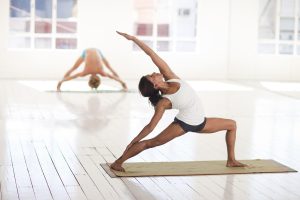
Full body bodyweight workouts are a fantastic way to build strength, improve endurance, and enhance overall fitness—all without needing a gym membership or expensive equipment. These workouts leverage your own body weight to provide resistance, making them accessible and adaptable to various fitness levels. Whether you’re a beginner looking to kickstart your fitness journey or an experienced athlete seeking a convenient training option, full body bodyweight exercises offer a versatile and effective approach to achieving your goals. Let’s dive into how to make the most of this training style!
One of the greatest advantages of full body bodyweight training is its accessibility. You can perform these exercises virtually anywhere, anytime. No need for specialized equipment or gym memberships. This makes it incredibly convenient for fitting workouts into a busy schedule.
Bodyweight exercises focus on compound movements that engage multiple muscle groups simultaneously. This not only builds strength but also improves coordination, balance, and overall functional fitness – the kind of fitness that helps you in your everyday life.
When performed at a moderate to high intensity, full body bodyweight circuits can elevate your heart rate and improve cardiovascular health. This is especially true when incorporating exercises that involve jumping or plyometrics.
The squat is a fundamental exercise that works the quads, hamstrings, glutes, and core. It’s a great foundation for lower body strength and overall stability.
Push-ups are excellent for targeting the chest, shoulders, triceps, and core. They are a versatile exercise with many variations to suit different fitness levels.
The plank is an isometric exercise that strengthens the core, shoulders, and glutes. It improves stability and posture.
Lunges target the quads, hamstrings, glutes, and calves. They improve balance and coordination.
Pull-ups are a challenging upper body exercise that works the back, biceps, and shoulders. If you can’t do a full pull-up, use an assisted pull-up machine or resistance band for support.
A well-structured full body bodyweight workout should include exercises that target all major muscle groups. Here’s a sample structure:
Here’s an example routine you can follow:
As you get stronger, it’s important to progressively overload your muscles to continue seeing results. Here are some ways to progress your bodyweight workouts:
If you’re a beginner, you can modify exercises to make them easier. For example, do push-ups on your knees or use an incline to make them less challenging.
Proper nutrition is essential for fueling your workouts and supporting muscle recovery. Make sure to consume a balanced diet that includes plenty of protein, carbohydrates, and healthy fats.
Rest and recovery are just as important as exercise. Allow your muscles time to recover between workouts to prevent injury and maximize results. Aim for at least 7-8 hours of sleep per night.
Staying hydrated is crucial for performance and recovery. Drink plenty of water throughout the day, especially before, during, and after workouts.
Maintaining proper form is essential for preventing injuries and maximizing the effectiveness of your workouts. Focus on quality over quantity. If you’re unsure about proper form, consult with a fitness professional.
Consistency is key to seeing results with any fitness program. Aim to workout at least 3-4 times per week to make progress. Create a schedule and stick to it as much as possible.
Always warm up before your workout and cool down afterwards. This helps prepare your body for exercise and reduces the risk of injury.
If you’re not challenging yourself, you won’t see results. Gradually increase the intensity of your workouts over time to continue making progress.
Full body bodyweight workouts are a highly effective and accessible way to build strength, improve cardiovascular health, and enhance overall fitness. By incorporating these exercises into your routine, focusing on proper form, and progressively overloading your muscles, you can achieve your fitness goals without needing expensive equipment or a gym membership. Remember to prioritize nutrition, rest, and consistency to maximize your results. So, get started today and experience the transformative power of full body bodyweight training!