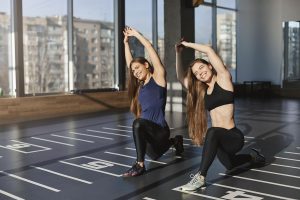
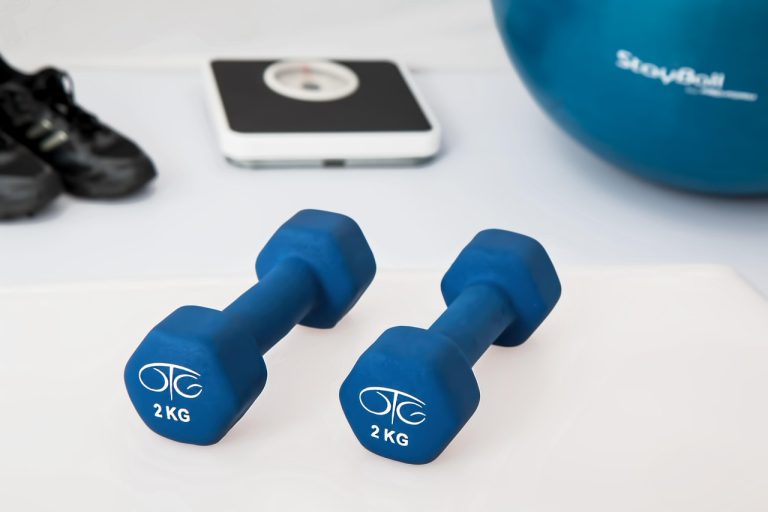
Feeling good about yourself while working out can be a game-changer. It’s not just about how you look, but how you feel when you’re pushing your limits. Fitness confidence isn’t just about having a perfect body; it’s about embracing your strength, resilience, and the journey of becoming the best version of yourself. This is your guide to building that inner strength and radiating confidence both inside and outside the gym.
Understanding Fitness Confidence
Fitness confidence is more than just feeling good in workout clothes. It’s a deep-seated belief in your ability to achieve your fitness goals and a positive attitude toward your body, regardless of its current state. It empowers you to try new things, push harder, and celebrate every small victory along the way.
What Fitness Confidence Really Means
- Self-efficacy: Believing in your ability to perform specific tasks and reach goals. For example, believing you can complete that extra rep or run that extra mile.
- Body image acceptance: Appreciating your body for what it can do, rather than focusing solely on its appearance. This means celebrating your strength, endurance, and flexibility.
- Positive self-talk: Replacing negative thoughts with encouraging and supportive statements. Instead of “I can’t do this,” try “I can try my best, and that’s enough.”
- Resilience: Bouncing back from setbacks and continuing to pursue your fitness goals, even when things get tough. Missing a workout or not seeing results immediately doesn’t mean you’ve failed.
The Benefits of Fitness Confidence
Building fitness confidence goes beyond just looking good; it impacts various aspects of your life:
- Increased motivation: When you believe in yourself, you’re more likely to stick to your fitness routine and push yourself harder.
- Improved mental health: Exercise already helps with mood, but feeling confident in your abilities amplifies these benefits, reducing stress and anxiety.
- Greater willingness to try new things: Confidence encourages you to step outside your comfort zone and explore different workout styles, classes, or activities.
- Enhanced social interactions: Feeling good about yourself can positively influence how you interact with others, leading to more positive and fulfilling relationships.
- Better overall well-being: Fitness confidence contributes to a positive self-image and a greater sense of self-worth, which are crucial for overall well-being.
Setting Realistic Goals
Realistic goal setting is fundamental to building fitness confidence. Unrealistic expectations can lead to discouragement and hinder progress.
SMART Goal Setting
Use the SMART framework to create effective and achievable fitness goals:
- Specific: Clearly define what you want to achieve. Instead of “get in shape,” aim for “lose 10 pounds.”
- Measurable: Quantify your goals to track progress. For example, “run a 5k in under 30 minutes.”
- Achievable: Set goals that are challenging but attainable, based on your current fitness level and available resources.
- Relevant: Ensure your goals align with your values and overall fitness objectives.
- Time-bound: Set a deadline for achieving your goals.
- Example: Instead of saying, “I want to be stronger,” a SMART goal would be: “I want to increase my bench press by 10 pounds in the next six weeks.”
Celebrating Small Wins
Acknowledge and celebrate every milestone you reach, no matter how small. This can significantly boost your confidence and keep you motivated.
- Keep a fitness journal: Track your progress, noting improvements in strength, endurance, or flexibility.
- Reward yourself: Celebrate reaching milestones with non-food-related rewards, like a new workout outfit or a massage.
- Share your achievements: Share your progress with friends, family, or online communities to receive encouragement and support.
Focusing on Progress, Not Perfection
Perfection is unattainable, and striving for it can be detrimental to your fitness confidence. Shifting your focus from perfection to progress allows you to appreciate the journey and celebrate your achievements along the way.
Embracing Imperfection
- Acknowledge that setbacks are normal: Everyone has bad days or misses workouts. It’s how you respond that matters.
- Focus on effort, not outcomes: Appreciate the effort you put into your workouts, regardless of the immediate results.
- Challenge negative self-talk: Replace critical thoughts with positive affirmations and self-compassion.
Tracking Your Progress Effectively
- Use a variety of metrics: Track progress beyond just weight, such as body measurements, strength gains, endurance improvements, and energy levels.
- Take progress photos: Visual evidence of your transformation can be incredibly motivating.
- Monitor your mood and energy levels: Note how your workouts affect your overall well-being.
Building a Supportive Environment
Your environment plays a significant role in your fitness journey. Surrounding yourself with supportive people and creating a positive atmosphere can greatly enhance your confidence and motivation.
Finding Your Tribe
- Join a fitness class or group: Connecting with like-minded individuals can provide support, encouragement, and accountability.
- Find a workout buddy: Having someone to exercise with can make workouts more enjoyable and keep you motivated.
- Seek out positive role models: Follow fitness influencers or athletes who inspire you with their dedication, positivity, and body positivity.
Creating a Positive Home Gym Environment
- Invest in equipment that you enjoy using: Make your home gym a space you look forward to visiting.
- Decorate with motivational posters or quotes: Surround yourself with positive messages that inspire you to push yourself.
- Create a playlist of your favorite workout music: Music can boost your energy and motivation during workouts.
- Ensure good lighting and ventilation: A comfortable environment can make your workouts more enjoyable.
Practicing Self-Care
Self-care is an essential component of building fitness confidence. Taking care of your physical and mental health can improve your overall well-being and enhance your fitness journey.
Prioritizing Rest and Recovery
- Get enough sleep: Aim for 7-9 hours of sleep per night to allow your body to recover and rebuild muscle.
- Incorporate rest days into your workout routine: Allow your muscles time to recover and prevent overtraining.
- Practice active recovery: Engage in light activities, such as walking or stretching, to promote blood flow and reduce muscle soreness.
Nourishing Your Body
- Eat a balanced diet: Fuel your body with nutritious foods that support your fitness goals.
- Stay hydrated: Drink plenty of water throughout the day to maintain energy levels and support bodily functions.
- Listen to your body’s hunger cues: Eat when you’re hungry and stop when you’re full.
Mental and Emotional Wellbeing
- Practice mindfulness and meditation: Reduce stress and anxiety by focusing on the present moment.
- Engage in activities you enjoy: Make time for hobbies and activities that bring you joy and relaxation.
- Seek professional help if needed:* Don’t hesitate to reach out to a therapist or counselor if you’re struggling with mental health issues.
Conclusion
Building fitness confidence is a journey, not a destination. By understanding what fitness confidence truly means, setting realistic goals, focusing on progress, building a supportive environment, and practicing self-care, you can cultivate a positive self-image and unlock your full potential. Remember to celebrate every small victory and embrace the process of becoming the best version of yourself.