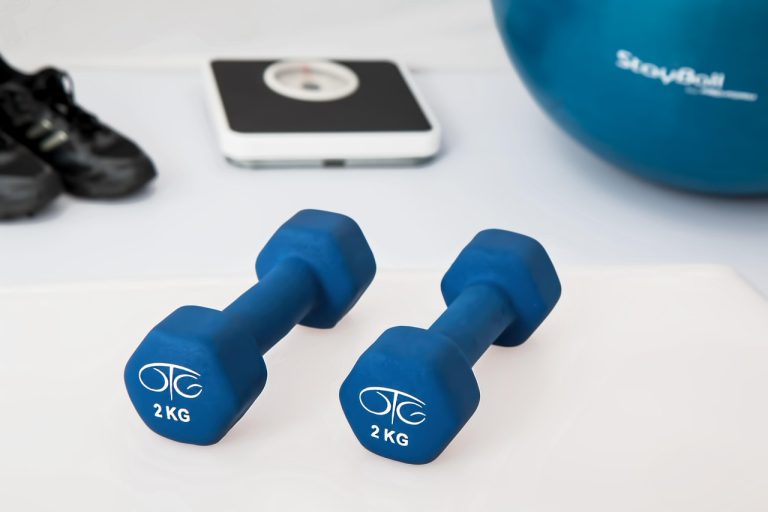
Starting a fitness journey can feel daunting, but it doesn’t have to be! This guide provides a beginner-friendly weekly workout plan designed to ease you into a healthier lifestyle, build a foundation of strength and endurance, and establish consistent habits. We’ll break down each day, offering clear instructions and practical tips to help you succeed. Get ready to transform your fitness, one week at a time!
Understanding Your Fitness Starting Point
Assessing Your Current Fitness Level
Before jumping into a workout routine, it’s crucial to understand your current fitness level. This will help you choose exercises that are appropriate and prevent injuries.
- Self-Assessment: Consider your current activity level. Are you completely sedentary, or do you engage in light activity regularly?
- Basic Movement Tests: Try these simple exercises to gauge your abilities:
Push-ups: How many can you do with proper form?
Squats: Can you perform 10-15 bodyweight squats comfortably?
Plank: How long can you hold a plank position?
- Consult a Professional: If you have any underlying health conditions or concerns, consult with a doctor or certified fitness professional before starting any new exercise program.
Setting Realistic Goals
Setting achievable goals is essential for staying motivated and tracking progress. Avoid setting unrealistic expectations that can lead to discouragement.
- SMART Goals: Use the SMART framework to set goals that are Specific, Measurable, Achievable, Relevant, and Time-bound.
Example: Instead of “I want to get fit,” try “I want to be able to run for 30 minutes without stopping in 8 weeks.”
- Focus on Consistency: Aim for consistent exercise rather than striving for immediate, dramatic results. Building healthy habits takes time and patience.
- Celebrate Small Wins: Acknowledge and celebrate your progress, no matter how small. This will help you stay motivated and committed to your fitness journey.
Your Weekly Beginner Workout Plan
This plan incorporates a mix of cardio, strength training, and flexibility exercises. Remember to listen to your body and adjust the intensity and duration as needed.
Day 1: Cardio (30 minutes)
- Warm-up (5 minutes): Light cardio such as walking in place, arm circles, and leg swings.
- Activity (20 minutes): Choose one of the following:
Walking: Maintain a brisk pace that elevates your heart rate. Gradually increase the pace as you feel more comfortable.
Cycling: Ride a stationary bike or cycle outdoors. Adjust the resistance to maintain a comfortable intensity.
Swimming: Swim laps at a comfortable pace. Focus on proper form and breathing.
- Cool-down (5 minutes): Slow down gradually and stretch your major muscle groups, such as hamstrings, quads, and calves.
Day 2: Strength Training (30 minutes)
- Warm-up (5 minutes): Light cardio and dynamic stretching.
- Exercises (20 minutes): Perform 2-3 sets of 10-12 repetitions for each exercise.
Squats: Stand with feet shoulder-width apart, lower your hips as if sitting in a chair.
Push-ups: Start in a plank position and lower your chest towards the ground. Modify on your knees if needed.
Lunges: Step forward with one leg and lower your body until both knees are bent at 90 degrees.
Dumbbell Rows: Bend over with a straight back and pull dumbbells towards your chest. (use light weight)
Plank: Hold a plank position for 30-60 seconds.
- Cool-down (5 minutes): Static stretching, holding each stretch for 20-30 seconds.
Day 3: Rest or Active Recovery
- Rest: Allow your body to recover and rebuild muscle tissue.
- Active Recovery (Optional): Engage in light activities such as walking, yoga, or stretching to improve blood flow and reduce muscle soreness.
Day 4: Cardio (30 minutes)
- Repeat Day 1’s Cardio routine or try something new! Variety can help keep you engaged and prevent boredom. Consider hiking if weather permits.
Day 5: Strength Training (30 minutes)
- Warm-up (5 minutes): Light cardio and dynamic stretching.
- Exercises (20 minutes): Perform 2-3 sets of 10-12 repetitions for each exercise. You can choose the same exercises from Day 2 or mix it up! Consider the following:
Glute Bridges: Lie on your back with knees bent and lift your hips off the ground.
Overhead Press: Using light dumbbells, press the weight straight up overhead.
Bicep Curls: Curl dumbbells towards your shoulders.
Tricep Extensions: Extend dumbbells behind your head.
- Cool-down (5 minutes): Static stretching, holding each stretch for 20-30 seconds.
Day 6: Flexibility and Mobility (30 minutes)
- Yoga or Pilates: Follow a beginner-friendly yoga or Pilates routine to improve flexibility, balance, and core strength.
- Stretching: Focus on stretching major muscle groups, holding each stretch for 30-60 seconds.
- Foam Rolling (Optional): Use a foam roller to massage sore muscles and release tension.
Day 7: Rest
- Complete Rest: Allow your body to fully recover and prepare for the next week of workouts.
Important Considerations for Beginners
Proper Form is Key
Maintaining proper form during exercises is crucial for preventing injuries and maximizing effectiveness.
- Watch Tutorials: Watch videos or consult with a trainer to learn the correct form for each exercise.
- Start Slow: Focus on mastering the form before increasing the weight or intensity.
- Use a Mirror: Use a mirror to check your form and make adjustments as needed.
- Don’t Be Afraid to Modify: If you’re unable to maintain proper form, modify the exercise to make it easier.
Nutrition and Hydration
Proper nutrition and hydration are essential for fueling your workouts and supporting recovery.
- Balanced Diet: Consume a balanced diet rich in fruits, vegetables, lean protein, and whole grains.
- Hydration: Drink plenty of water throughout the day, especially before, during, and after workouts.
- Protein Intake: Ensure adequate protein intake to support muscle growth and repair.
- Avoid Processed Foods: Limit your intake of processed foods, sugary drinks, and unhealthy fats.
Listen to Your Body
It’s important to listen to your body and avoid pushing yourself too hard, especially when starting a new workout routine.
- Rest When Needed: Take rest days when you feel fatigued or sore.
- Don’t Ignore Pain: If you experience pain, stop the exercise and consult with a healthcare professional.
- Adjust Intensity: Adjust the intensity and duration of your workouts based on how you feel.
- Prioritize Sleep: Get adequate sleep to support recovery and overall health.
Conclusion
Starting a weekly workout routine as a beginner requires patience, consistency, and a willingness to learn. By understanding your fitness level, setting realistic goals, and following a well-structured plan, you can achieve significant improvements in your health and well-being. Remember to prioritize proper form, nutrition, and rest, and don’t hesitate to seek guidance from a fitness professional when needed. Embrace the journey, celebrate your progress, and enjoy the benefits of a healthier, more active lifestyle.