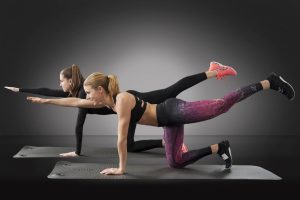
The allure of a gym membership often clashes with the realities of busy schedules, crowded spaces, and hefty price tags. But what if you could achieve your fitness goals without ever leaving your house? Home-based training is more accessible and effective than ever before, offering a convenient and personalized path to a healthier you. This guide will equip you with the knowledge and tools you need to build a successful at-home fitness routine that fits your lifestyle and helps you achieve your desired results.
Setting Up Your Home Gym
Finding Your Space
- Dedicated Area: Ideally, you’ll have a dedicated room or section of a room for your workouts. This helps mentally separate your workout time from other activities.
- Multipurpose Room: If a dedicated space isn’t possible, adapt a living room, bedroom, or even a garage. The key is to have enough room to move freely.
- Size Matters: Consider the types of exercises you plan to do. HIIT workouts and yoga will require more open space than strength training with dumbbells.
- Accessibility: Choose a space that’s easily accessible and inviting to encourage regular use.
Essential Equipment
- Beginner-Friendly Options: Start with the basics like a yoga mat, resistance bands, and a set of dumbbells. These are versatile and relatively inexpensive.
- Bodyweight Training: Leverage your own body weight for exercises like push-ups, squats, planks, and lunges. No equipment is needed for these!
- Advanced Considerations: As you progress, consider adding equipment like a kettlebell, pull-up bar, stability ball, or adjustable weight bench for more variety and challenge.
- Budget Wisely: Research and compare prices before purchasing equipment. Consider buying used equipment to save money.
Creating a Motivating Environment
- Lighting and Ventilation: Ensure your space has adequate lighting and good ventilation to keep you comfortable and energized.
- Music and Entertainment: A good sound system or a screen to stream workout videos can make your sessions more enjoyable.
- Inspirational Decor: Add motivational posters, plants, or anything else that inspires you to work out.
- Mirrors: A mirror can help you monitor your form and ensure you’re performing exercises correctly.
Building Your At-Home Workout Routine
Defining Your Fitness Goals
- Specific Goals: Set clear and achievable goals, such as “lose 10 pounds,” “increase strength,” or “improve flexibility.”
- SMART Goals: Use the SMART (Specific, Measurable, Achievable, Relevant, Time-bound) framework to define your goals. Example: “Lose 5 pounds in the next 8 weeks by working out 3 times per week and reducing sugar intake.”
- Long-Term Vision: Consider your long-term fitness aspirations to guide your short-term goals and workout planning.
- Track Progress: Regularly monitor your progress by taking measurements, tracking your weight, or noting your performance in specific exercises.
Types of At-Home Workouts
- Strength Training: Use dumbbells, resistance bands, or bodyweight to build muscle strength and endurance. Focus on compound exercises like squats, lunges, push-ups, and rows.
- Cardio: Elevate your heart rate with activities like jumping jacks, burpees, running in place, or using a jump rope. Consider investing in a treadmill or stationary bike for more dedicated cardio sessions.
- Yoga and Pilates: Improve flexibility, balance, and core strength with yoga or Pilates routines. Many free or paid online classes are available.
- High-Intensity Interval Training (HIIT): Combine short bursts of intense exercise with brief recovery periods. HIIT workouts are efficient and effective for burning calories and improving cardiovascular health.
- Example HIIT: 30 seconds of burpees followed by 15 seconds of rest, repeated for 10 rounds.
Sample Weekly Schedule
- Monday: Strength Training (Upper Body)
- Tuesday: Cardio (30-45 minutes)
- Wednesday: Rest or Active Recovery (Yoga, stretching)
- Thursday: Strength Training (Lower Body)
- Friday: HIIT Workout (20-30 minutes)
- Saturday: Long Walk or Hike
- Sunday: Rest
Importance of Warm-up and Cool-down
- Warm-up: Prepare your body for exercise with light cardio and dynamic stretching (arm circles, leg swings) for 5-10 minutes.
- Cool-down: Slowly lower your heart rate and stretch your muscles with static stretches (holding each stretch for 30 seconds) for 5-10 minutes. This helps prevent injuries and reduces muscle soreness.
Staying Motivated and Consistent
Setting Realistic Expectations
- Start Slowly: Don’t try to do too much too soon. Begin with shorter, less intense workouts and gradually increase the duration and intensity as you get stronger.
- Consistency is Key: Aim for consistency over perfection. Even a short workout is better than no workout.
- Listen to Your Body: Rest when you need to and don’t push yourself too hard, especially when you’re starting out.
Finding an Accountability Partner
- Mutual Support: Partner with a friend, family member, or online community to share your goals and progress.
- Scheduled Workouts: Plan workouts together to help you stay on track.
- Challenges and Rewards: Create challenges and reward yourselves for reaching milestones.
Utilizing Technology and Apps
- Workout Apps: Use workout apps to guide your workouts, track your progress, and provide motivation. Popular options include Nike Training Club, Peloton (for at home), and FitBit.
- Online Classes: Join online fitness classes for a variety of workout options and expert instruction.
- Fitness Trackers: Track your activity levels, sleep patterns, and heart rate with a fitness tracker.
Making it Enjoyable
- Choose Activities You Like: Select exercises you find enjoyable to increase your chances of sticking with your routine.
- Variety is the Spice of Life: Mix up your workouts to prevent boredom and challenge different muscle groups.
- Reward Yourself: Celebrate your achievements with non-food rewards, such as a new workout outfit, a massage, or a relaxing bath.
Nutrition and Hydration for Home Training
Importance of a Balanced Diet
- Fuel Your Body: Eat a balanced diet rich in fruits, vegetables, lean protein, and whole grains to provide your body with the energy and nutrients it needs for workouts and recovery.
- Macronutrient Balance: Pay attention to your macronutrient intake (protein, carbohydrates, and fats) to support muscle growth and repair.
- Pre- and Post-Workout Nutrition: Consume a light snack or meal before your workout to provide energy, and replenish your glycogen stores and support muscle recovery after your workout.
Hydration Strategies
- Stay Hydrated: Drink plenty of water throughout the day, especially before, during, and after your workouts.
- Electrolyte Balance: Replenish electrolytes lost through sweat with sports drinks or electrolyte-rich foods.
- Avoid Sugary Drinks: Limit your intake of sugary drinks like soda and juice, as they can hinder your fitness goals.
Sample Meal Plan
- Breakfast: Oatmeal with berries and nuts, or a protein smoothie.
- Lunch: Salad with grilled chicken or fish, or a whole-wheat wrap with hummus and vegetables.
- Dinner: Baked salmon with roasted vegetables, or a lentil soup with whole-grain bread.
- Snacks: Fruits, vegetables, yogurt, or a handful of nuts.
Conclusion
Embarking on an at-home training journey can be incredibly rewarding, offering flexibility, convenience, and personalized results. By setting up your home gym effectively, crafting a tailored workout routine, staying motivated, and prioritizing nutrition and hydration, you can achieve your fitness goals without ever stepping foot in a gym. Remember to start slowly, listen to your body, and celebrate your progress along the way. Embrace the power of home-based fitness and unlock a healthier, happier you.