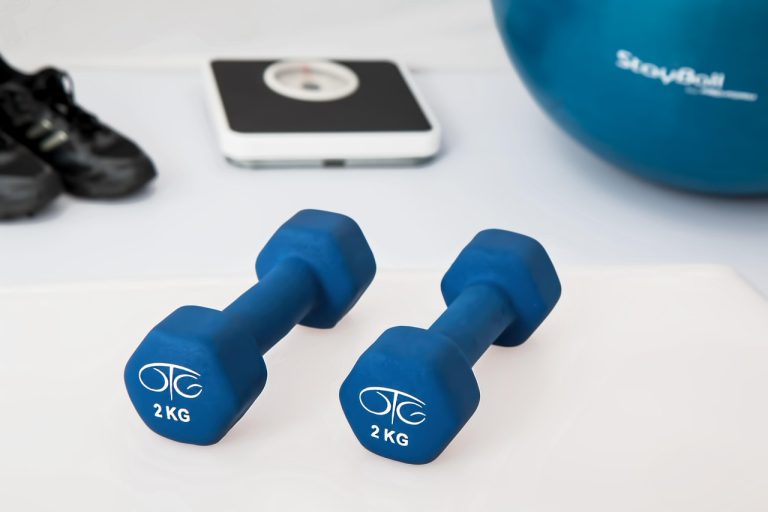
Embarking on a fitness journey can feel overwhelming, especially when you’re just starting out. With countless workout routines and conflicting advice floating around, it’s easy to feel lost before you even begin. But fear not! This guide breaks down exercise for beginners into manageable steps, offering practical tips and advice to help you build a solid foundation for a healthier, more active lifestyle. We’ll cover everything from choosing the right activities to staying motivated and preventing injuries, ensuring your fitness journey is both effective and enjoyable.
Getting Started: Laying the Foundation for Success
Assessing Your Current Fitness Level
Before diving into any exercise program, it’s crucial to understand your current fitness level. This helps you set realistic goals and avoid pushing yourself too hard, too soon.
- Self-Assessment: Consider factors like your energy levels, how easily you get winded, and any existing health conditions.
- Simple Tests: Perform a few basic exercises to gauge your strength and endurance:
Walking Test: How long can you walk at a brisk pace without feeling overly tired?
Squat Test: Can you perform 5-10 bodyweight squats with good form?
Push-Up Test: Can you perform even one push-up, even on your knees?
- Consult a Professional: If you have any concerns or pre-existing health conditions, consult with a doctor or certified fitness professional before starting an exercise program.
Setting Realistic Goals
Setting achievable goals is vital for staying motivated and tracking your progress.
- Start Small: Don’t aim to run a marathon on your first day! Begin with smaller, more manageable goals, such as exercising for 30 minutes three times a week.
- Be Specific: Instead of saying “I want to get in shape,” try “I want to be able to walk a mile without feeling winded within two months.”
- Make it Measurable: Track your progress to see how far you’ve come. Use a fitness tracker, journal, or app to record your workouts and measurements.
- Focus on Process Goals: Emphasize consistent effort rather than solely focusing on outcomes. For instance, aim to exercise three times a week, regardless of weight loss.
Choosing the Right Activities
Understanding Different Types of Exercise
A well-rounded exercise program includes cardio, strength training, and flexibility exercises.
- Cardiovascular Exercise (Cardio): Activities that elevate your heart rate and improve cardiovascular health. Examples include:
Walking
Running
Swimming
Cycling
Dancing
- Strength Training: Exercises that build muscle mass and strength. Examples include:
Bodyweight exercises (squats, push-ups, lunges)
Weightlifting (using dumbbells, barbells, or machines)
Resistance band exercises
- Flexibility Training: Exercises that improve range of motion and reduce the risk of injury. Examples include:
Stretching
Yoga
Pilates
Finding Activities You Enjoy
The key to sticking with an exercise program is to find activities you genuinely enjoy.
- Experiment: Try different types of exercises to see what you like best.
- Consider Your Interests: Do you enjoy being outdoors? Perhaps hiking or cycling would be a good fit. Do you prefer group settings? Consider joining a fitness class.
- Make it Social: Exercising with a friend or family member can make it more fun and motivating.
Creating a Balanced Workout Plan
Aim for a balanced workout plan that incorporates all three types of exercise.
Monday: Cardio (30 minutes of brisk walking)
Tuesday: Strength Training (20 minutes of bodyweight exercises)
Wednesday: Rest or Active Recovery (light stretching or yoga)
Thursday: Cardio (30 minutes of cycling)
Friday: Strength Training (20 minutes of resistance band exercises)
Saturday: Rest or Active Recovery (leisurely walk)
* Sunday: Long walk or fun activity (hiking, swimming)
- Progression: Gradually increase the intensity and duration of your workouts as you get fitter.
Mastering Basic Exercises
Proper Form and Technique
Correct form is crucial for preventing injuries and maximizing the effectiveness of your workouts.
- Research: Watch videos or read articles that demonstrate proper form for each exercise.
- Start Slowly: Focus on mastering the correct form before increasing the weight or repetitions.
- Use a Mirror: Observe yourself in a mirror to ensure you’re maintaining proper alignment.
- Seek Guidance: Consider working with a certified personal trainer to learn proper form and technique.
Essential Exercises for Beginners
These exercises are a great starting point for building a solid foundation.
- Squats: Targets your legs and glutes. Stand with your feet shoulder-width apart, lower your hips as if sitting in a chair, and keep your back straight.
- Push-Ups: Targets your chest, shoulders, and triceps. Start in a plank position, lower your body towards the ground, and push back up. Beginners can start on their knees.
- Lunges: Targets your legs and glutes. Step forward with one leg, lower your hips until both knees are bent at 90 degrees, and push back up.
- Plank: Strengthens your core. Hold a straight line from head to heels, engaging your abdominal muscles. Start with 30-second holds and gradually increase the duration.
- Bird Dog: Improves core stability and balance. Start on your hands and knees, extend one arm forward and the opposite leg backward, keeping your core engaged.
Progression and Variation
As you get stronger, gradually increase the difficulty of your exercises.
- Increase Repetitions: Perform more repetitions of each exercise.
- Increase Sets: Perform more sets of each exercise.
- Increase Weight: Use heavier weights for strength training exercises.
- Modify Exercises: Try variations of exercises to target different muscles. For example, try incline push-ups to make them easier or decline push-ups to make them harder.
Staying Motivated and Consistent
Finding Your Motivation
Staying motivated is key to making exercise a habit.
- Identify Your “Why”: Why do you want to exercise? Is it for weight loss, improved health, increased energy, or something else?
- Track Your Progress: Seeing how far you’ve come can be a powerful motivator.
- Reward Yourself: Set small, non-food related rewards for reaching your goals. For example, treat yourself to a new workout outfit or a relaxing massage.
- Find an Exercise Buddy: Exercising with a friend can provide accountability and support.
Overcoming Challenges
Everyone faces challenges along their fitness journey.
- Time Constraints: Schedule your workouts like any other important appointment. Even short bursts of exercise are beneficial.
- Lack of Motivation: Try exercising at different times of day to see when you feel most energized. Listen to music or podcasts while you work out.
- Injuries: Listen to your body and rest when needed. Consult with a doctor or physical therapist if you experience any pain.
- Don’t Give Up: Remember that setbacks are normal. Just get back on track as soon as possible.
Creating a Sustainable Routine
Make exercise a lifelong habit.
- Make it a Priority: Schedule your workouts and treat them like important appointments.
- Be Flexible: Don’t be afraid to adjust your workout plan as needed.
- Listen to Your Body: Rest when you need to and don’t push yourself too hard.
- Celebrate Your Successes: Acknowledge your progress and reward yourself for reaching your goals.
Conclusion
Starting an exercise program can be challenging, but with the right approach, it can be a rewarding and life-changing experience. Remember to start slowly, set realistic goals, find activities you enjoy, and prioritize proper form. By staying consistent and listening to your body, you can build a healthier, more active lifestyle. So, take that first step today and begin your journey towards a fitter, happier you!