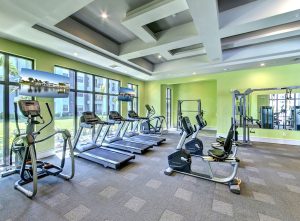
Juggling demanding careers, family commitments, and social lives leaves many professionals feeling like fitness is a luxury they can’t afford. The truth is, it’s an investment – one that pays dividends in productivity, energy levels, and overall well-being. This guide is designed to provide practical strategies and insights to help busy professionals prioritize their fitness and achieve their health goals, even with a packed schedule.
The Importance of Fitness for Professionals
Increased Productivity and Focus
Studies have consistently shown a strong correlation between physical activity and improved cognitive function. Regular exercise enhances blood flow to the brain, promoting neuroplasticity and sharpening focus. For professionals, this translates to:
- Better concentration: Reduced distractions and increased ability to stay on task.
- Improved decision-making: Enhanced cognitive processing allows for clearer and more efficient decisions.
- Enhanced creativity: Exercise can stimulate the release of endorphins, fostering a more creative and innovative mindset.
- Increased efficiency: By improving overall energy levels and mental clarity, fitness empowers professionals to accomplish more in less time.
Example: A marketing manager who starts their day with a 30-minute brisk walk reports feeling more energized and focused throughout the morning, enabling them to efficiently handle client meetings and develop creative campaign strategies.
Reduced Stress and Improved Mental Health
The professional world is often characterized by high-pressure situations and demanding deadlines. Fitness serves as a powerful stress reliever, providing an outlet for pent-up energy and promoting relaxation. Here’s how:
- Endorphin release: Exercise triggers the release of endorphins, natural mood boosters that alleviate stress and anxiety.
- Improved sleep quality: Regular physical activity can regulate sleep patterns, leading to more restful and restorative sleep. Lack of sleep is a major contributor to stress and burnout.
- Increased self-esteem: Achieving fitness goals can boost confidence and self-worth, leading to a more positive self-image.
- Stress hormone regulation: Exercise helps regulate cortisol levels, the body’s primary stress hormone, promoting a more balanced physiological state.
Example: An IT professional who incorporates yoga into their routine experiences reduced anxiety and improved sleep, enabling them to manage the pressures of complex projects more effectively.
Enhanced Physical Health and Energy Levels
Fitness is not just about aesthetics; it’s about optimizing physical health and vitality. For professionals, this translates to:
- Reduced risk of chronic diseases: Regular exercise can significantly lower the risk of heart disease, type 2 diabetes, and certain cancers.
- Increased energy levels: Despite initially feeling tired after exercise, consistent physical activity increases overall energy levels throughout the day.
- Improved immune function: Exercise can strengthen the immune system, making you less susceptible to illness.
- Better posture and reduced musculoskeletal pain: Regular stretching and strength training can improve posture and alleviate back pain, neck pain, and other common musculoskeletal issues associated with sedentary desk jobs.
Example: A lawyer who commits to regular strength training notices increased stamina during long court sessions and reduced back pain from sitting for extended periods.
Fitting Fitness into a Busy Schedule
Time-Efficient Workouts
One of the biggest barriers to fitness for professionals is the perceived lack of time. However, effective workouts don’t need to be lengthy. Here are some strategies for maximizing time:
- High-Intensity Interval Training (HIIT): Short bursts of intense exercise followed by brief recovery periods. A 20-minute HIIT workout can be just as effective as a longer, moderate-intensity workout.
- Bodyweight exercises: Utilize your own body weight for resistance training. Exercises like push-ups, squats, lunges, and planks can be done anywhere, anytime.
- Lunchtime workouts: Take advantage of your lunch break for a quick gym session or a brisk walk.
- Micro-workouts: Incorporate short bursts of activity throughout the day. For example, do 10 squats every hour or take the stairs instead of the elevator.
Example: Instead of scrolling social media during lunch, dedicate 20 minutes to a bodyweight circuit workout, cycling through exercises like squats, push-ups, and planks.
Prioritization and Planning
Treat fitness like any other important meeting or deadline. Schedule workouts in your calendar and commit to them.
- Schedule workouts in advance: Block out specific times in your calendar for exercise and treat them as non-negotiable appointments.
- Prepare workout clothes and equipment the night before: This eliminates a common excuse for skipping workouts.
- Combine exercise with other activities: Listen to podcasts or audiobooks while running or walking.
- Track your progress: Monitoring your progress can provide motivation and help you stay on track. Use a fitness tracker, app, or journal to record your workouts and achievements.
Example: A project manager sets aside 30 minutes every morning before work for a jog, incorporating it into their daily routine alongside breakfast and getting ready.
Making Fitness Accessible
Remove obstacles that make it difficult to exercise.
- Choose a gym close to work or home: Minimizes travel time and increases the likelihood of going.
- Invest in home workout equipment: Even a few basic items like resistance bands, dumbbells, or a yoga mat can make it easier to workout at home.
- Explore online fitness classes and apps: Provides flexibility and variety in your workout routine. Peloton, Nike Training Club, and Daily Burn are all examples of apps with guided workouts.
- Find an exercise buddy: Working out with a friend can provide motivation and accountability.
Example: A software engineer invests in a set of dumbbells and follows online workout videos, allowing them to exercise conveniently from home without needing to commute to a gym.
Nutrition for Peak Performance
Fueling Your Body
Fitness is only part of the equation; proper nutrition is crucial for maximizing energy levels, supporting muscle recovery, and achieving optimal performance.
- Prioritize whole, unprocessed foods: Focus on fruits, vegetables, lean protein, and whole grains.
- Stay hydrated: Drink plenty of water throughout the day. Dehydration can lead to fatigue and reduced cognitive function.
- Plan your meals and snacks: Prepare healthy meals and snacks in advance to avoid making unhealthy choices when you’re hungry.
- Limit processed foods, sugary drinks, and excessive alcohol consumption: These can negatively impact energy levels and overall health.
Example: A consultant preps healthy meals on Sunday evening, ensuring they have nutritious lunches and dinners readily available throughout the week, preventing them from resorting to fast food options.
Strategic Supplementation (If Necessary)
While a balanced diet should be the foundation of your nutrition, certain supplements may be beneficial for professionals with specific needs.
- Vitamin D: Many people are deficient in vitamin D, especially during the winter months. Vitamin D is important for immune function, bone health, and mood regulation.
- Omega-3 fatty acids: Beneficial for brain health, heart health, and reducing inflammation.
- Protein powder: Can be a convenient way to increase protein intake, especially after workouts.
- Multivitamin: A good way to fill in any nutritional gaps in your diet.
Note: Consult with a healthcare professional or registered dietitian before taking any supplements.
Workplace Wellness Initiatives
Encouraging a Healthy Work Environment
Encourage your employer to implement wellness initiatives to support employee health and well-being.
- Standing desks: Promote better posture and reduce sedentary behavior.
- On-site fitness facilities or gym memberships: Provide convenient access to exercise opportunities.
- Wellness programs: Offer programs that promote healthy eating, stress management, and other aspects of well-being.
- Healthy snack options: Provide employees with nutritious snack choices in the workplace.
Example: A company invests in adjustable standing desks for its employees and offers subsidized gym memberships, resulting in a healthier and more engaged workforce.
Conclusion
Fitness for professionals is not about achieving perfection; it’s about making sustainable lifestyle changes that improve overall well-being and enhance performance. By prioritizing fitness, even in small increments, and making conscious choices about nutrition and stress management, busy professionals can unlock their full potential and thrive in both their personal and professional lives. Start small, be consistent, and celebrate your progress. Your health is your greatest asset.