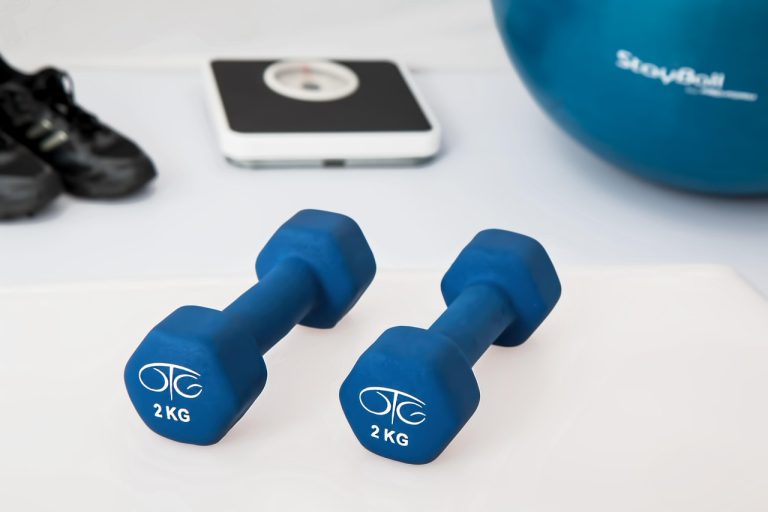
Embarking on a fitness journey can feel daunting, especially when you’re just starting out. The world of workouts, diets, and fitness jargon can be overwhelming. But it doesn’t have to be! Beginner fitness challenges are a fantastic way to ease yourself into a healthier lifestyle, build consistency, and see noticeable progress without feeling overwhelmed. This guide will walk you through everything you need to know to successfully complete a beginner fitness challenge and kickstart your journey to a fitter you.
Why Choose a Beginner Fitness Challenge?
Overcoming the Initial Hurdles
Starting any new habit is the hardest part. Fitness challenges provide a structured framework to help you overcome this initial inertia.
- Motivation Boost: Challenges create a sense of accountability and urgency, making it easier to stick to your goals. The feeling of accomplishment you get from completing each day’s task is a powerful motivator.
- Habit Formation: Consistency is key in fitness. Challenges encourage daily activity, helping you build exercise into your routine. Research shows it takes about 21 days to form a habit, making a 30-day challenge ideal for establishing a lasting exercise routine.
- Goal Setting: Fitness challenges provide a clear, defined goal – completing the challenge. This makes it easier to track your progress and stay focused.
- Discovering Enjoyable Activities: Trying different workouts within a challenge can help you find activities you genuinely enjoy, making exercise less of a chore and more of a pleasure.
Benefits of Regular Exercise
The advantages of regular physical activity extend far beyond just weight loss.
- Improved Physical Health: Reduces the risk of chronic diseases such as heart disease, type 2 diabetes, and some cancers.
- Enhanced Mental Well-being: Exercise releases endorphins, which have mood-boosting effects and can help reduce stress, anxiety, and depression.
- Increased Energy Levels: Regular physical activity can combat fatigue and increase your overall energy levels.
- Better Sleep Quality: Exercise can improve sleep patterns, making it easier to fall asleep and stay asleep.
- Strengthened Bones and Muscles: Weight-bearing exercises, in particular, can help build bone density and muscle mass, reducing the risk of osteoporosis and age-related muscle loss.
Designing Your Own Beginner Fitness Challenge
Setting Realistic Goals
The most crucial aspect of any fitness challenge is setting goals that are achievable and sustainable. Avoid setting overly ambitious goals that will lead to discouragement.
- Assess Your Current Fitness Level: Be honest about your current activity level. If you’re completely sedentary, start with gentle activities like walking or stretching.
- Start Small: Instead of aiming for intense hour-long workouts every day, begin with shorter, more manageable sessions (e.g., 15-20 minutes).
- Focus on Consistency: Prioritize showing up and completing the activity, even if it’s not perfect. Consistency is more important than intensity, especially in the beginning.
- Set Specific, Measurable, Achievable, Relevant, and Time-Bound (SMART) goals. For example, “Walk for 30 minutes, 3 times a week for the next month” is a SMART goal.
Choosing the Right Activities
The key to sticking with a fitness challenge is to choose activities you find enjoyable and that fit into your lifestyle.
- Variety is Key: Incorporate a mix of cardio, strength training, and flexibility exercises to work different muscle groups and prevent boredom.
- Cardio Options: Walking, jogging, cycling, swimming, dancing, and hiking are all great cardio options.
- Strength Training Options: Bodyweight exercises (squats, push-ups, lunges, planks), using resistance bands, or lifting light weights are effective for building strength.
- Flexibility Exercises: Stretching, yoga, and Pilates can improve flexibility and range of motion, reducing the risk of injury.
- Consider Your Environment: Choose activities that are accessible to you. If you live in an area with limited outdoor space, indoor workouts might be a better option.
- Example Challenge Activities:
Week 1: Daily 20-minute brisk walk
Week 2: Add 2 days of 15-minute bodyweight strength training
Week 3: Increase walk to 30 minutes, add a yoga or stretching session
Week 4: Increase strength training to 20 minutes, try a new cardio activity
Creating a Workout Schedule
A structured workout schedule helps you stay organized and accountable.
- Schedule Your Workouts: Treat your workouts like important appointments and schedule them in your calendar.
- Be Realistic: Don’t overcommit. Start with a few workouts per week and gradually increase the frequency as you get fitter.
- Plan Rest Days: Rest is crucial for muscle recovery and preventing burnout. Schedule at least one or two rest days per week.
- Prepare in Advance: Lay out your workout clothes, pack your gym bag, and plan your meals ahead of time to minimize obstacles.
Sample Beginner Fitness Challenge Ideas
The 30-Day Walking Challenge
This challenge focuses on building a consistent walking habit.
- Week 1: Walk for 20 minutes, 5 days a week.
- Week 2: Walk for 30 minutes, 5 days a week. Add one day of light stretching.
- Week 3: Walk for 30 minutes, 6 days a week. Include one day of yoga or Pilates.
- Week 4: Walk for 40 minutes, 5 days a week. Include two days of stretching or yoga. Consider incorporating some light hills into your walks.
The Bodyweight Strength Challenge
This challenge focuses on building strength using bodyweight exercises.
- Week 1: Perform 3 sets of 10 repetitions of squats, push-ups (modified on knees if needed), and lunges, 3 days a week.
- Week 2: Increase repetitions to 12-15 per set. Add planks for 30 seconds, 3 sets.
- Week 3: Increase sets to 4 per exercise. Hold planks for 45 seconds, 3 sets.
- Week 4: Increase repetitions to 15-20 per set. Try adding variations of the exercises, such as jump squats or incline push-ups.
The Flexibility and Mobility Challenge
This challenge focuses on improving flexibility and mobility through stretching and yoga.
- Week 1: Follow a 15-minute stretching routine 5 days a week, focusing on major muscle groups.
- Week 2: Increase stretching routine to 20 minutes and incorporate dynamic stretches (arm circles, leg swings).
- Week 3: Attend a beginner-friendly yoga class twice this week.
- Week 4: Continue daily stretching, exploring different yoga styles like Hatha or Restorative.
Tips for Staying Motivated and Avoiding Burnout
Track Your Progress
Monitoring your progress is a powerful motivator.
- Keep a Fitness Journal: Record your workouts, track your weight, and note any improvements in your strength or endurance.
- Take Progress Photos: Visual evidence of your progress can be incredibly motivating.
- Use Fitness Trackers or Apps: These tools can help you monitor your activity levels, track your workouts, and set goals.
Reward Yourself (Healthily)
Celebrating your achievements can help you stay motivated.
- Set Non-Food Rewards: Treat yourself to a new workout outfit, a massage, or a relaxing bath.
- Focus on the Non-Scale Victories: Celebrate improvements in your energy levels, sleep quality, and mood, not just weight loss.
Listen to Your Body
Avoid pushing yourself too hard, especially when you’re just starting out.
- Rest When Needed: Don’t be afraid to take rest days when you’re feeling fatigued or sore.
- Modify Exercises: If an exercise is causing pain, modify it or choose a different exercise.
- Stay Hydrated: Drink plenty of water throughout the day, especially before, during, and after your workouts.
- Fuel Your Body: Eat a balanced diet that provides the nutrients you need to support your workouts.
Conclusion
Beginner fitness challenges are a fantastic way to jumpstart your fitness journey and cultivate healthy habits. By setting realistic goals, choosing enjoyable activities, and staying motivated, you can successfully complete a challenge and reap the numerous physical and mental benefits of regular exercise. Remember to listen to your body, celebrate your progress, and most importantly, have fun! Your journey to a healthier, fitter you starts now.