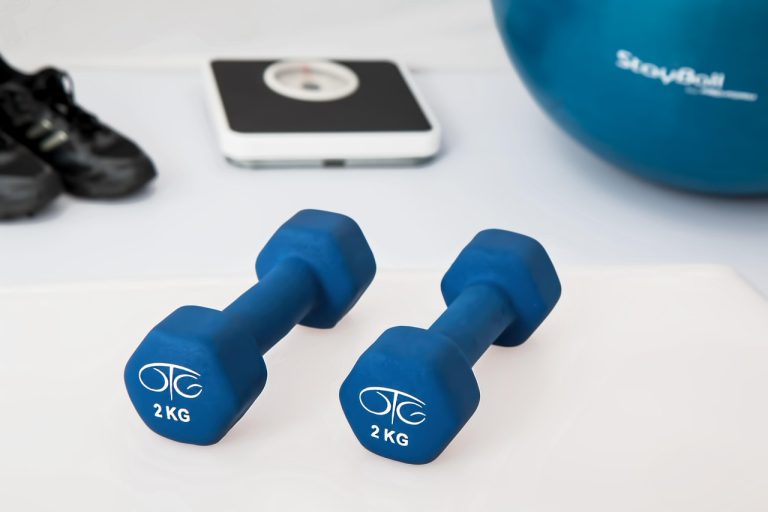
Starting your home fitness journey can feel overwhelming, but it doesn’t have to be! With the right approach and a little dedication, you can achieve your fitness goals from the comfort of your own home. This guide provides a comprehensive overview for beginners, offering practical advice and actionable steps to kickstart your healthy lifestyle. Let’s dive in!
Setting Realistic Goals
Starting with clear and achievable goals is crucial for long-term success in your home fitness journey. Without a defined target, it’s easy to lose motivation and give up.
Defining Your “Why”
- Identify your primary motivation: Are you looking to lose weight, build muscle, improve your overall health, or simply boost your energy levels? Understanding your “why” will keep you grounded and focused.
- Write it down: Physically writing down your goals makes them more concrete. Post them somewhere visible as a daily reminder.
Example: “I want to improve my cardiovascular health so I can easily keep up with my kids.”
SMART Goal Setting
- Specific: Define exactly what you want to achieve. Instead of “get in shape,” try “lose 10 pounds.”
- Measurable: Track your progress with quantifiable metrics. Use a scale, measuring tape, or fitness tracker.
- Achievable: Set goals that are challenging but attainable. Don’t aim to lose 20 pounds in a month if it’s unrealistic.
- Relevant: Ensure your goals align with your values and overall health objectives.
- Time-bound: Set a deadline to create a sense of urgency. For instance, “lose 10 pounds in 2 months.”
Example Goals
- Lose 1-2 pounds per week for the next 8 weeks.
- Be able to do 10 push-ups by the end of the month.
- Walk briskly for 30 minutes, 5 days a week.
- Increase my flexibility to touch my toes within 6 weeks.
Creating a Home Workout Space
You don’t need a fully equipped gym to start your home fitness journey. A dedicated space, even a small one, can significantly improve your motivation and consistency.
Space Assessment
- Identify available areas: A spare room, a corner of your living room, or even a balcony can work.
- Clear the clutter: Remove any obstacles to create a safe and functional workout area.
- Consider flooring: Hardwood or tile floors are suitable for most exercises. If you have carpet, consider using a yoga mat for added support and cushioning.
Essential Equipment (Beginner-Friendly)
- Yoga mat: Provides a comfortable surface for floor exercises and stretching.
- Resistance bands: Versatile and affordable, offering various resistance levels for strength training.
- Dumbbells: Start with a light set (3-5 pounds) and gradually increase the weight as you get stronger.
- Jump rope: Excellent for cardio and coordination.
Optional Equipment (As You Progress)
- Adjustable dumbbells: Save space and money by adjusting the weight as needed.
- Kettlebell: Great for full-body workouts and functional training.
- Exercise ball: Enhances core strength and stability.
- Cardio machine: Treadmill, stationary bike, or elliptical for convenient cardio workouts.
Creating an Inviting Atmosphere
- Good lighting: Natural light is ideal, but ensure adequate artificial lighting as well.
- Mirror: Helps you check your form and stay motivated.
- Music or entertainment: Play your favorite workout playlist or stream a fitness video.
- Motivational posters: Visual reminders of your goals.
Sample Beginner Workout Routines
Consistency is key. Aim for at least 3 workouts per week, allowing for rest days in between. Remember to consult with your doctor before starting any new exercise program.
Warm-Up (5-10 minutes)
- Cardio: Jumping jacks, high knees, butt kicks. (1-2 minutes each)
- Dynamic Stretching: Arm circles, leg swings, torso twists. (10-15 reps each)
Bodyweight Circuit (3 rounds, 1-minute rest between rounds)
- Squats: 10-15 reps (Focus on proper form: chest up, back straight, knees behind toes.)
- Push-ups: As many reps as possible (Modify on your knees if needed.)
- Lunges: 10-12 reps per leg (Keep your front knee behind your toes.)
- Plank: Hold for 30-60 seconds (Engage your core and maintain a straight line from head to heels.)
- Glute Bridges: 15-20 reps (Squeeze your glutes at the top of the movement.)
Resistance Band Workout (3 rounds, 1-minute rest between rounds)
- Bicep Curls: 12-15 reps (Anchor the band under your feet.)
- Lateral Raises: 12-15 reps (Stand on the band with your feet shoulder-width apart.)
- Rows: 12-15 reps (Sit with legs extended, loop the band around your feet, and pull towards your torso.)
- Squats with Band: 12-15 reps (Stand on the band with your feet shoulder-width apart and hold the ends at shoulder level.)
Cardio Options (30-45 minutes)
- Brisk walking: Outdoor or on a treadmill.
- Jogging: Gradually increase your speed and distance.
- Jumping rope: Short bursts of 30-60 seconds with rest in between.
- Dancing: Put on some music and move!
Cool-Down (5-10 minutes)
- Static Stretching: Hold each stretch for 30 seconds. Focus on major muscle groups like hamstrings, quads, calves, chest, and back.
Examples: hamstring stretch, quad stretch, calf stretch, tricep stretch.
Nutrition and Hydration
Exercise is only part of the equation. Proper nutrition and hydration are essential for achieving your fitness goals.
Balanced Diet
- Focus on whole foods: Fruits, vegetables, lean protein, whole grains, and healthy fats.
- Limit processed foods: Reduce your intake of sugary drinks, refined carbs, and unhealthy fats.
- Portion control: Be mindful of your serving sizes to avoid overeating.
- Meal planning: Prepare your meals in advance to stay on track.
Macronutrient Breakdown
- Protein: Essential for muscle repair and growth. Aim for 0.8-1 gram of protein per pound of body weight.
Sources: chicken, fish, beans, lentils, tofu, Greek yogurt.
- Carbohydrates: Provide energy for your workouts. Choose complex carbohydrates over simple sugars.
Sources: whole grains, fruits, vegetables.
- Fats: Important for hormone production and overall health. Opt for healthy fats like unsaturated fats.
* Sources: avocados, nuts, seeds, olive oil.
Hydration
- Drink plenty of water: Aim for at least 8 glasses of water per day, especially before, during, and after workouts.
- Electrolytes: Replenish electrolytes lost through sweat with sports drinks or electrolyte tablets.
- Listen to your body: Drink when you’re thirsty.
Practical Tips
- Keep healthy snacks on hand: Fruits, vegetables, nuts, and yogurt.
- Read nutrition labels: Pay attention to serving sizes, calories, and macronutrient content.
- Consult a nutritionist: For personalized dietary advice.
Staying Motivated and Consistent
Motivation ebbs and flows. Develop strategies to stay committed to your home fitness journey, even when you don’t feel like it.
Track Your Progress
- Use a fitness tracker or app: Monitor your activity levels, calories burned, and sleep patterns.
- Keep a workout journal: Record your workouts, weights lifted, and how you felt.
- Take progress photos: Visual reminders of your accomplishments.
Reward Yourself (Healthily)
- Set milestones: Reward yourself for reaching your goals, but choose healthy rewards like a new workout outfit or a massage.
- Avoid using food as a reward: This can lead to unhealthy eating habits.
Find an Accountability Partner
- Workout with a friend or family member: Having someone to exercise with can make it more enjoyable and keep you accountable.
- Join an online fitness community: Connect with others who share your goals.
Make it Fun
- Experiment with different workouts: Try yoga, dance fitness, or online workout videos.
- Listen to music you enjoy: Create a playlist that motivates you.
- Change up your routine: Prevent boredom by varying your exercises and workout schedules.
Be Patient and Kind to Yourself
- Don’t expect overnight results: Fitness is a journey, not a destination.
- Celebrate small victories: Acknowledge your progress and be proud of your accomplishments.
- Don’t beat yourself up if you miss a workout: Just get back on track the next day.
Conclusion
Starting your home fitness journey as a beginner requires a strategic approach, encompassing realistic goal setting, a dedicated workout space, effective routines, proper nutrition, and consistent motivation. By following the guidelines outlined in this comprehensive guide, you can establish a solid foundation for a healthier and more active lifestyle from the comfort of your own home. Remember to stay patient, consistent, and enjoy the process. The journey to a fitter you is a marathon, not a sprint!