Physical Address
304 North Cardinal St.
Dorchester Center, MA 02124
Physical Address
304 North Cardinal St.
Dorchester Center, MA 02124

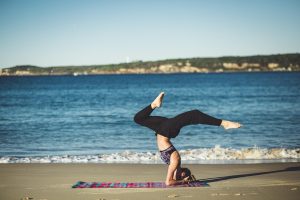
Embarking on a fitness journey can feel overwhelming, but it doesn’t have to be. Getting started with a workout routine that suits your needs and goals is achievable with the right knowledge and a bit of planning. This guide will break down the essentials of how to workout effectively, safely, and sustainably, ensuring you’re on the path to a healthier and happier you.
Before you even lace up your sneakers, it’s crucial to define your fitness goals. Without a clear target, your workouts can lack direction and motivation. Goal setting provides purpose, helps you track progress, and keeps you accountable.
Consider these common fitness goals:
A well-rounded workout plan should incorporate different types of exercises to target various aspects of fitness.
Benefits: Improves heart health, burns calories, reduces stress.
Benefits: Increases metabolism, improves bone density, enhances physical performance.
Benefits: Improves posture, relieves muscle tension, enhances athletic performance.
Develop a realistic and sustainable workout schedule that fits your lifestyle.
Monday: Strength Training (Full Body)
Tuesday: Cardio (30-minute run)
Wednesday: Rest or Active Recovery (Yoga)
Thursday: Strength Training (Upper Body)
Friday: Cardio (Swimming)
Saturday: Rest or Active Recovery (Light walk)
Sunday: Strength Training (Lower Body)
Warming up prepares your body for exercise by increasing blood flow to your muscles and raising your body temperature.
Reduces the risk of injury
Improves performance
Increases flexibility
Prepares the cardiovascular system
Light cardio: Jumping jacks, high knees, butt kicks (2 minutes)
Dynamic stretching: Arm circles, leg swings, torso twists (3-5 minutes)
Specific warm-up: Light sets of the exercises you plan to do in your workout.
Cooling down allows your body to gradually return to its resting state.
Reduces muscle soreness
Prevents dizziness
Promotes recovery
Light cardio: Slow walking or cycling (2-3 minutes)
Static stretching: Holding stretches for 20-30 seconds (5-7 minutes). Focus on major muscle groups worked during your workout.
Using proper form is essential for maximizing results and preventing injuries. Poor technique can lead to muscle strains, joint pain, and other issues.
Squats: Rounding the back – Keep your back straight and core engaged.
Push-Ups: Sagging hips – Maintain a straight line from head to heels.
Plank: Lifting your hips too high – Keep your body in a straight line.
Proper breathing can enhance your performance and reduce fatigue.
Nutrition plays a crucial role in supporting your workouts and achieving your fitness goals.
Example: A small banana with a tablespoon of peanut butter or a handful of almonds. Aim to consume this 30-60 minutes before exercise.
Example: A protein shake or Greek yogurt with berries. Consume within 30-60 minutes after exercise.
Protein: Essential for muscle repair and growth. Aim for 0.8 grams of protein per kilogram of body weight per day, but this can be increased for athletes or those looking to build muscle.
Carbohydrates: Provide energy for your workouts. Choose complex carbohydrates like whole grains, fruits, and vegetables.
Healthy Fats: Support hormone production and overall health. Include sources like avocados, nuts, and olive oil.
Hydration is crucial for performance and recovery.
Learning how to workout effectively is a journey that requires planning, dedication, and consistency. By setting clear goals, designing a balanced workout plan, prioritizing proper technique, and fueling your body with the right nutrition, you can achieve your fitness aspirations and enjoy a healthier, more active life. Remember to listen to your body, progress gradually, and stay consistent to reap the full benefits of exercise. Good luck on your fitness adventure!