Working out from the comfort of your own home has never been more appealing. No gym membership fees, no commuting time, and the freedom to exercise whenever you want – it’s a win-win! However, maximizing your home workout requires more than just throwing on your workout clothes. This guide provides practical tips to help you create an effective and enjoyable home fitness routine, tailored to your needs and goals.
Setting Up Your Home Workout Space
Finding the Right Location
Choosing the right space is crucial for a successful home workout.
- Dedicated Area: Ideally, designate a specific area in your home solely for exercising. This helps mentally separate workout time from other activities.
- Sufficient Space: Ensure you have enough room to move freely without bumping into furniture. Consider activities like jumping jacks, yoga poses, or using resistance bands.
- Good Lighting and Ventilation: A well-lit and ventilated space will improve your mood and performance. Natural light is best, but good artificial lighting works too. Open windows or use a fan for ventilation.
- Minimize Distractions: Reduce distractions by choosing a quiet area away from the TV or high-traffic zones. Turn off notifications on your phone to stay focused.
Essential Equipment (and Budget-Friendly Alternatives)
You don’t need a fully equipped gym to have a great home workout. Start with the basics and gradually add more equipment as you progress.
- Yoga Mat: Provides cushioning and grip for floor exercises.
- Resistance Bands: Versatile and inexpensive, they offer varying levels of resistance for strength training.
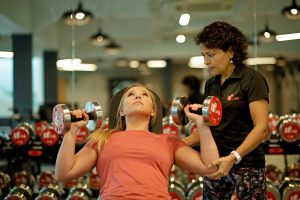
- Adjustable Dumbbells: A great investment for building strength. Start with a lighter weight and gradually increase as you get stronger.
- Jump Rope: An excellent cardio option that’s easy to store.
- Workout Bench (Optional): Can enhance certain exercises but isn’t essential.
- Budget-Friendly Alternatives:
Use water bottles or canned goods as weights.
Utilize stairs for cardio and leg exercises.
Use a towel for stretching and assistance with certain yoga poses.
Creating an Effective Workout Plan
Defining Your Goals
Before diving into exercises, define your fitness goals. Are you aiming to lose weight, build muscle, improve endurance, or increase flexibility? Having clear goals will help you choose the right exercises and track your progress.
Structuring Your Workouts
A well-structured workout plan is essential for maximizing results and preventing injuries.
- Warm-up (5-10 minutes): Prepare your muscles for exercise with light cardio, such as jogging in place or jumping jacks, and dynamic stretching, such as arm circles and leg swings.
- Workout (30-60 minutes): Include a mix of cardio, strength training, and flexibility exercises.
- Cool-down (5-10 minutes): Gradually lower your heart rate with light cardio and static stretching, holding each stretch for 20-30 seconds.
- Sample Workout Structure:
Monday: Upper Body Strength Training (e.g., push-ups, dumbbell rows, bicep curls)
Tuesday: Cardio (e.g., running, cycling, jumping rope)
Wednesday: Rest or Active Recovery (e.g., yoga, stretching)
Thursday: Lower Body Strength Training (e.g., squats, lunges, calf raises)
Friday: Cardio or Full Body Circuit
Saturday: Rest or Active Recovery
Sunday: Long Walk or Hike
Choosing the Right Exercises
Select exercises that align with your fitness goals and fitness level.
- Beginner-Friendly Exercises: Bodyweight exercises are a great starting point. Examples include squats, lunges, push-ups (modify on knees if needed), planks, and crunches.
- Intermediate and Advanced Exercises: As you get stronger, incorporate more challenging exercises, such as pull-ups, plyometrics (jump training), and heavier weights.
- Variety is Key: Prevent boredom and work different muscle groups by varying your exercises regularly.
Staying Motivated and Consistent
Setting Realistic Expectations
Rome wasn’t built in a day, and neither is a fit body. Set realistic goals and celebrate small victories along the way. Don’t expect to see results overnight. Consistency is key.
Scheduling Your Workouts
Treat your workouts like important appointments. Schedule them into your day and stick to them as much as possible.
- Find Your Best Time: Determine the time of day when you’re most energetic and least likely to be interrupted.
- Set Reminders: Use your phone or calendar to set reminders for your workouts.
- Track Your Progress: Monitor your workouts by logging your exercises, sets, reps, and weight. This helps you track your progress and stay motivated.
Finding an Accountability Partner
Having someone to workout with, even virtually, can significantly boost your motivation and consistency.
- Workout Buddies: Find a friend, family member, or colleague who shares your fitness goals and schedule workouts together, either in person or virtually.
- Online Communities: Join online fitness communities or forums to connect with like-minded individuals and share your experiences.
- Fitness Apps: Many fitness apps allow you to connect with friends and track each other’s progress.
Making it Enjoyable
If you don’t enjoy your workouts, you’re less likely to stick with them.
- Listen to Music or Podcasts: Create a workout playlist with your favorite upbeat songs or listen to an engaging podcast.
- Watch TV or Movies: Workout while watching your favorite show or movie. This can make the time fly by.
- Reward Yourself: Treat yourself to something you enjoy after completing a workout, such as a healthy snack, a relaxing bath, or a new book.
Nutritional Considerations for Home Workouts
Fueling Your Body Properly
What you eat directly impacts your energy levels and recovery.
- Pre-Workout Nutrition: Consume a light, easily digestible meal or snack 1-2 hours before your workout. Examples include a banana with peanut butter, a handful of almonds, or a protein smoothie.
- Post-Workout Nutrition: Replenish your glycogen stores and repair muscle tissue with a meal or snack containing protein and carbohydrates within 30-60 minutes after your workout. Examples include a protein shake with fruit, chicken breast with brown rice, or Greek yogurt with berries.
Hydration is Key
Dehydration can significantly impair your performance.
- Drink Plenty of Water: Drink water throughout the day, especially before, during, and after your workouts.
- Electrolyte Replenishment: If you’re sweating heavily, consider replenishing electrolytes with a sports drink or electrolyte tablets.
Avoid Processed Foods and Sugary Drinks
These can sabotage your fitness efforts by providing empty calories and hindering recovery. Focus on whole, unprocessed foods.
Preventing Injuries
Proper Form is Paramount
Using proper form is crucial for preventing injuries.
- Watch Tutorials: Watch videos or consult with a trainer to learn the correct form for each exercise.
- Use a Mirror: Use a mirror to monitor your form while exercising.
- Start Slow: Begin with lighter weights or fewer reps and gradually increase as your form improves.
Listen to Your Body
Don’t push yourself too hard, especially when starting a new workout routine.
- Rest When Needed: Take rest days when your body needs them.
- Don’t Ignore Pain: If you experience pain, stop exercising and consult with a healthcare professional.
- Progressive Overload: Gradually increase the intensity, duration, or frequency of your workouts over time to avoid overtraining and injury.
Stretching and Flexibility
Regular stretching can improve flexibility and reduce the risk of muscle strains.
- Dynamic Stretching Before Workouts: Prepare your muscles for exercise with dynamic stretches.
- Static Stretching After Workouts: Improve flexibility with static stretches, holding each stretch for 20-30 seconds.
- Yoga or Pilates: Incorporate yoga or Pilates into your routine to improve flexibility, balance, and core strength.
Conclusion
Creating a successful home workout routine requires a strategic approach. By setting up the right space, defining your goals, staying motivated, prioritizing nutrition, and preventing injuries, you can achieve your fitness goals from the comfort of your own home. Remember to be patient, consistent, and listen to your body. Happy exercising!