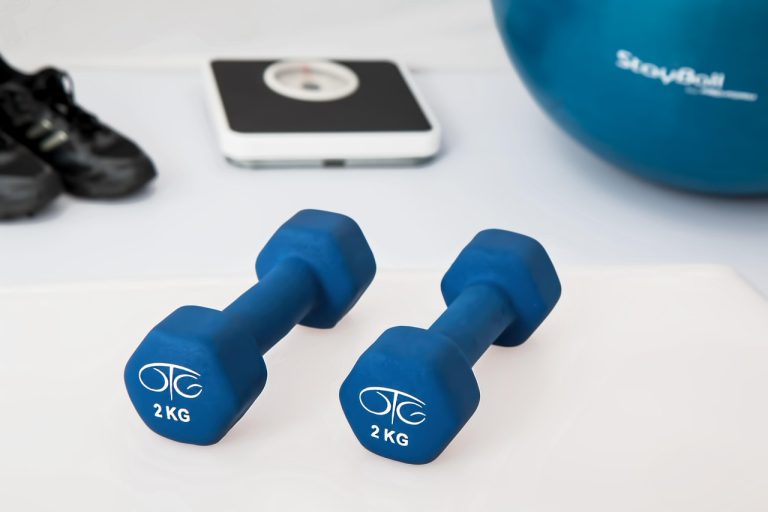
Warming up before exercise is often overlooked, but it’s a crucial component of any effective fitness routine. Think of it as prepping your engine before a long drive; a good warm-up increases blood flow, improves muscle elasticity, and reduces the risk of injury, allowing you to perform at your best and enjoy your workouts to the fullest. Let’s dive into the specifics of what a proper warm-up entails and why it’s so important.
The Importance of Warming Up
A thorough warm-up isn’t just about feeling good; it’s about preparing your body for the demands of exercise. It’s a vital step that contributes significantly to both performance and injury prevention.
Physiological Benefits
- Increased Blood Flow: Warming up increases blood flow to your muscles, delivering more oxygen and nutrients. This improves muscle function and reduces fatigue.
- Enhanced Muscle Elasticity: Warmer muscles are more pliable and less prone to strains and tears. Think of stretching a rubber band when it’s cold versus warm – the warmer band is much easier to stretch without damage.
- Improved Range of Motion: Warming up loosens your joints and increases your range of motion, allowing you to move more freely and efficiently.
- Increased Body Temperature: A slight increase in body temperature optimizes enzyme activity involved in energy production.
- Mental Preparation: A warm-up gives you time to mentally focus on the workout ahead, improving concentration and motivation. Studies show that a focused mindset can improve performance by up to 15%.
Reduced Risk of Injury
- Muscle Strains and Tears: Preparing your muscles for exertion dramatically reduces the risk of strains and tears.
- Joint Problems: Warming up lubricates your joints, reducing friction and the risk of injuries like sprains.
- Cardiovascular Issues: Gradually increasing your heart rate and blood pressure prepares your cardiovascular system for the stress of exercise.
- Actionable Takeaway: Prioritize a warm-up before every workout to maximize performance and minimize injury risk. A 5-10 minute investment can make a world of difference.
Components of an Effective Warm-Up
A well-rounded warm-up incorporates different elements to address various aspects of physical preparation. It’s not just about static stretching!
Cardiovascular Activity
- Purpose: Increases heart rate, blood flow, and body temperature.
- Examples: Light jogging, jumping jacks, cycling on a low resistance, brisk walking.
- Duration: 3-5 minutes. The intensity should be light to moderate. Aim for a point where you are slightly out of breath but can still hold a conversation.
Dynamic Stretching
- Purpose: Improves range of motion and joint mobility through controlled movements.
- Examples: Arm circles, leg swings, torso twists, walking lunges, high knees, butt kicks.
- Technique: Focus on smooth, controlled movements through a full range of motion. Avoid bouncing or jerking. Each dynamic stretch should be performed for 10-15 repetitions.
- Why Dynamic? Dynamic stretches mimic the movements you’ll be performing during your workout, making them more effective than static stretches before exercise.
Sport-Specific Movements
- Purpose: Prepares specific muscles and movement patterns used in your workout.
- Examples: If you’re lifting weights, include lighter sets of the exercises you’ll be doing. If you’re playing basketball, include dribbling, passing, and shooting drills. For runners, start with a slow jog and gradually increase your pace.
- Benefit: This helps to fine-tune your nervous system and improve coordination for the specific activity.
- Actionable Takeaway: Incorporate cardiovascular activity, dynamic stretching, and sport-specific movements into your warm-up for a comprehensive approach.
Sample Warm-Up Routines
Here are a few sample warm-up routines for different types of exercise.
Warm-Up for Weightlifting
Cardio: 3 minutes of light jogging or jumping jacks.
Dynamic Stretching:
Arm circles (10 reps forward, 10 reps backward)
Leg swings (10 reps each leg forward, 10 reps each leg sideways)
Torso twists (10 reps each side)
Bodyweight squats (10 reps)
Sport-Specific:
Empty barbell squats (2 sets of 5 reps)
Push-ups (2 sets of as many reps as possible)
Warm-Up for Running
Cardio: 5 minutes of brisk walking, gradually increasing to a light jog.
Dynamic Stretching:
Leg swings (10 reps each leg forward, 10 reps each leg sideways)
High knees (20 reps)
Butt kicks (20 reps)
Walking lunges (10 reps each leg)
Sport-Specific:
Strides (3-4 short sprints at a moderate pace)
Warm-Up for Yoga/Pilates
Cardio: 2 minutes of marching in place or light dance steps.
Dynamic Stretching:
Cat-cow stretch (10 reps)
Hip circles (10 reps each direction)
Shoulder rolls (10 reps forward, 10 reps backward)
Torso twists (10 reps each side)
Sport-Specific:
Sun salutations (1-2 rounds)
- Actionable Takeaway: Adapt these sample routines to suit your specific fitness activities and personal needs. Remember to listen to your body and adjust the intensity as needed.
Common Mistakes to Avoid
While warming up is beneficial, making certain mistakes can negate its effectiveness or even increase your risk of injury.
Skipping the Warm-Up Altogether
- Consequence: Increased risk of injury, decreased performance, and slower recovery.
- Solution: Always prioritize a warm-up, even if you’re short on time. A brief, focused warm-up is better than no warm-up at all.
Static Stretching Before Exercise
- Why it’s bad: Static stretching (holding a stretch for an extended period) can temporarily decrease muscle strength and power. Research shows that static stretching before explosive movements can reduce performance by up to 5%.
- Solution: Save static stretching for after your workout, when your muscles are already warm and pliable.
Insufficient Duration or Intensity
- Problem: A warm-up that’s too short or too easy won’t adequately prepare your body for exercise.
- Solution: Ensure your warm-up is long enough (5-10 minutes) and intense enough to raise your heart rate, increase blood flow, and improve muscle elasticity.
Neglecting Sport-Specific Movements
- Issue: Focusing solely on general warm-up exercises may not adequately prepare you for the specific demands of your workout.
- Solution: Include exercises that mimic the movements you’ll be performing during your workout.
- Actionable Takeaway: Avoid these common mistakes to maximize the benefits of your warm-up and minimize the risk of injury.
Tailoring Your Warm-Up
A one-size-fits-all warm-up doesn’t exist. The ideal warm-up is tailored to your individual needs, fitness level, and the specific activity you’re about to perform.
Consider Your Fitness Level
- Beginners: Start with low-intensity exercises and focus on mastering basic movements. Gradually increase the intensity and complexity as you improve.
- Advanced Athletes: Incorporate more challenging exercises and higher-intensity movements to prepare for demanding workouts.
Account for the Type of Exercise
- High-Impact Activities: Focus on joint mobility and dynamic stretching to prepare your joints for the impact.
- Strength Training: Emphasize muscle activation and sport-specific movements to prepare your muscles for lifting heavy weights.
- Flexibility Training: Focus on gentle movements to increase blood flow and prepare your muscles for deeper stretches.
Listen to Your Body
- Pay attention to any pain or discomfort: Adjust your warm-up accordingly.
- Modify exercises as needed: Don’t push yourself too hard, especially if you’re feeling tired or sore.
- Focus on areas that are tight or weak: Spend extra time warming up those specific muscles and joints.
- Actionable Takeaway:* Customize your warm-up to match your fitness level, the type of exercise you’re doing, and your individual needs.
Conclusion
A proper fitness warm-up is more than just a formality; it’s an investment in your health, performance, and long-term fitness success. By understanding the importance of warming up, incorporating the key components, avoiding common mistakes, and tailoring your routine to your individual needs, you can optimize your workouts, reduce your risk of injury, and achieve your fitness goals more effectively. Make warming up a non-negotiable part of your routine and experience the positive impact it has on your overall fitness journey.