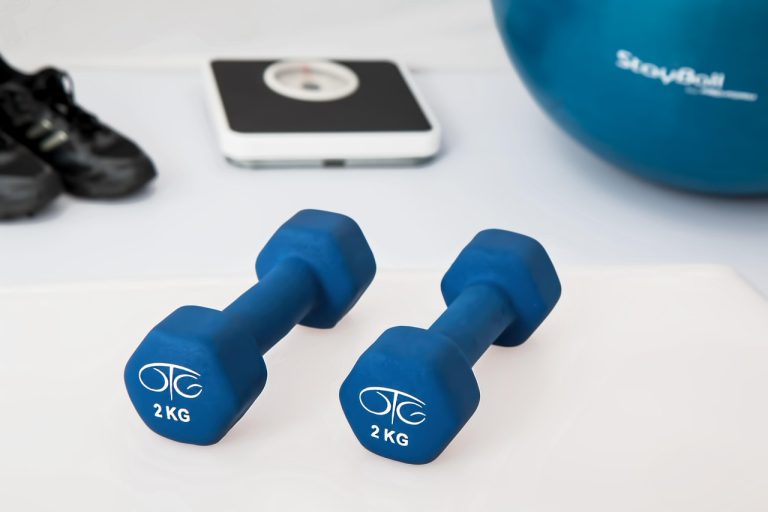
Feeling sluggish? Overwhelmed by your to-do list? The solution might be simpler than you think: start moving. Movement isn’t just about hitting the gym or running a marathon. It’s about incorporating activity into your daily life, even in small, manageable ways. It’s about breaking free from sedentary habits and embracing a more active lifestyle. Ready to feel better, improve your health, and boost your energy levels? Let’s get started.
The Power of Movement: Why Start Moving?
Movement is fundamental to our well-being. We’re designed to be active, and a lack of movement can lead to a cascade of negative health consequences. It’s not just about physical health, either; movement significantly impacts our mental and emotional states.
Physical Health Benefits
- Improved Cardiovascular Health: Movement strengthens your heart, lowers blood pressure, and reduces the risk of heart disease. Even moderate activity, like a brisk walk, can make a difference. Think of it as tuning up your engine.
- Weight Management: Physical activity burns calories and helps maintain a healthy weight. Combine movement with a balanced diet for optimal results. Instead of driving for short distances, try walking or cycling.
- Stronger Bones and Muscles: Weight-bearing activities, like walking, running, and strength training, help build and maintain bone density and muscle mass. This is particularly important as we age to prevent osteoporosis and sarcopenia.
- Reduced Risk of Chronic Diseases: Regular physical activity lowers your risk of developing type 2 diabetes, some types of cancer, and other chronic conditions. Studies show that even 30 minutes of moderate exercise most days of the week can significantly reduce your risk.
Mental and Emotional Well-being
- Stress Reduction: Movement releases endorphins, which have mood-boosting effects and can help alleviate stress and anxiety. A quick walk during your lunch break can do wonders for your mental state.
- Improved Sleep: Regular physical activity can improve sleep quality and duration. Just avoid strenuous exercise close to bedtime. A gentle evening walk can often aid relaxation.
- Enhanced Cognitive Function: Movement increases blood flow to the brain, which can improve cognitive function, memory, and focus. Standing desks and walking meetings can promote better concentration during work.
- Increased Energy Levels: Counterintuitively, movement can actually boost your energy levels. It combats fatigue and improves overall vitality. Instead of reaching for another cup of coffee, try a short burst of activity like jumping jacks or a quick walk around the office.
Overcoming Barriers to Movement
We all face obstacles that can prevent us from being more active. It’s crucial to identify these barriers and develop strategies to overcome them.
Time Constraints
- Micro-Workouts: Incorporate short bursts of activity throughout the day. Try a 10-minute walk during your lunch break, a set of squats during commercial breaks, or a quick stretching routine before bed.
- Combine Activities: Multitask by listening to podcasts or audiobooks while walking or jogging. You can also walk or cycle for errands instead of driving.
- Schedule It In: Treat your workouts like important appointments and schedule them into your calendar. This increases the likelihood that you’ll stick to your commitment.
Lack of Motivation
- Find an Activity You Enjoy: Experiment with different types of movement until you find something you genuinely enjoy. This could be dancing, hiking, swimming, yoga, or anything that gets you moving.
- Exercise with a Friend: Working out with a friend or family member can provide motivation and accountability.
- Set Realistic Goals: Start small and gradually increase the intensity and duration of your workouts. Don’t try to do too much too soon.
- Reward Yourself: Celebrate your progress with non-food rewards, such as a new workout outfit, a relaxing massage, or a weekend getaway.
Physical Limitations
- Consult Your Doctor: If you have any underlying health conditions or physical limitations, consult your doctor before starting a new exercise program.
- Choose Low-Impact Activities: Opt for low-impact activities, such as swimming, walking, or cycling, which are easier on your joints.
- Listen to Your Body: Pay attention to your body and stop if you experience any pain. Rest and recovery are just as important as activity.
- Adaptive Equipment: Explore adaptive equipment and specialized programs designed for individuals with physical limitations.
Simple Ways to Incorporate Movement Into Your Day
Small changes can make a big difference. Here are some practical tips for incorporating more movement into your daily routine:
At Home
- Take the Stairs: Whenever possible, opt for the stairs instead of the elevator or escalator.
- Walk While Talking on the Phone: Pace around the house while you’re on the phone instead of sitting down.
- Dance to Your Favorite Music: Put on some music and dance around the house for a few minutes each day.
- Do Household Chores Actively: Put extra effort into your chores, such as sweeping, vacuuming, or gardening.
- Stretch Regularly: Incorporate a few minutes of stretching into your daily routine to improve flexibility and range of motion.
At Work
- Take Walking Breaks: Get up and walk around the office every hour.
- Use a Standing Desk: Standing desks encourage movement and can help reduce sedentary behavior.
- Walk During Meetings: Suggest walking meetings for one-on-one conversations.
- Park Further Away: Park your car further away from the entrance to encourage walking.
- Take the Long Way: Take the long way to the bathroom or the break room.
In Your Community
- Walk or Cycle for Errands: Walk or cycle to the grocery store, post office, or other nearby destinations.
- Join a Walking or Hiking Group: Connect with others and explore your local trails.
- Participate in Community Events: Attend local races, walks, or other active events.
- Volunteer for Active Causes: Volunteer for organizations that promote physical activity.
- Explore Local Parks and Recreation Areas: Take advantage of the recreational opportunities available in your community.
Tracking Your Progress and Staying Motivated
Monitoring your progress can help you stay motivated and achieve your goals. There are many tools and techniques you can use to track your activity and stay on track.
Wearable Fitness Trackers
- Track Steps: Measure your daily step count and set goals for increasing your activity levels.
- Monitor Heart Rate: Track your heart rate during workouts to ensure you’re exercising at the right intensity.
- Track Sleep Patterns: Monitor your sleep patterns to identify areas for improvement.
- Log Workouts: Record your workouts and track your progress over time.
- Set Reminders: Set reminders to get up and move throughout the day.
Fitness Apps
- Track Calories: Monitor your calorie intake and expenditure.
- Access Workout Programs: Follow guided workout programs tailored to your fitness level and goals.
- Connect with Friends: Share your progress with friends and family for added motivation and support.
- Track Nutrition: Monitor your macronutrient intake to ensure you’re fueling your body properly.
- Set Goals: Set personalized fitness goals and track your progress over time.
Journaling
- Record Your Activities: Keep a journal to track your daily activities and progress.
- Reflect on Your Feelings: Reflect on how movement makes you feel both physically and mentally.
- Identify Challenges: Identify any challenges or obstacles you’re facing and brainstorm solutions.
- Celebrate Your Successes: Acknowledge and celebrate your achievements, no matter how small.
- Track Improvements: Track improvements in your strength, endurance, and flexibility.
Conclusion
Taking the first step – deciding to start moving – is the most important part. Remember, it’s not about perfection; it’s about progress. Incorporate small changes into your daily routine, find activities you enjoy, and track your progress to stay motivated. The benefits of movement extend far beyond physical health, impacting your mental, emotional, and overall well-being. So, stand up, stretch, and start moving towards a healthier, happier you!