Physical Address
304 North Cardinal St.
Dorchester Center, MA 02124
Physical Address
304 North Cardinal St.
Dorchester Center, MA 02124

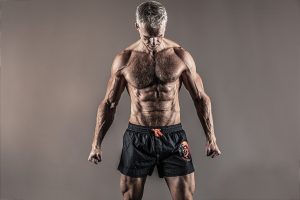
Forget the expensive gym memberships and time-consuming commutes. Achieving your fitness goals is entirely possible from the comfort of your own home. With a strategic approach and the right techniques, you can transform your living room into a powerful workout space. This comprehensive guide provides practical tips and effective strategies to help you create efficient home workouts that deliver real results.
The first step to a successful home workout routine is defining your workout space. Choose an area that’s free from clutter and distractions. Even a small corner can work, as long as you can move freely.
Reduces procrastination and increases motivation.
Helps you mentally prepare for your workout.
Ensures safety by minimizing obstacles.
Clear the area before each workout.
Keep your equipment (weights, resistance bands, etc.) readily accessible.
Consider adding a mirror to monitor your form.
While you don’t need a fully equipped gym, having a few key pieces of equipment can significantly enhance your home workouts.
Resistance Bands: Versatile for various exercises and easy to store.
Adjustable Dumbbells: Allow for progressive overload and target different muscle groups.
Yoga Mat: Provides cushioning and grip for floor exercises.
Jump Rope: Excellent for cardio and coordination.
Use water bottles or canned goods as weights.
Utilize stairs for step-ups and cardio.
Bodyweight exercises are highly effective and require no equipment.
Compound exercises work multiple muscle groups simultaneously, making them incredibly efficient for building strength and burning calories.
Maximize calorie expenditure in a shorter time.
Improve overall strength and functional fitness.
Stimulate muscle growth more effectively.
Squats: Targets quads, glutes, and hamstrings.
Push-ups: Works chest, shoulders, and triceps.
Lunges: Engages quads, glutes, and hamstrings.
Rows: Strengthens back and biceps.
Deadlifts (with dumbbells or resistance bands): Works the entire posterior chain.
HIIT involves short bursts of intense exercise followed by brief recovery periods. This method is incredibly effective for burning fat and improving cardiovascular fitness.
Burns more calories in less time compared to steady-state cardio.
Boosts metabolism and improves insulin sensitivity.
Can be easily adapted to various exercises.
Jumping Jacks (30 seconds) followed by 15 seconds rest.
High Knees (30 seconds) followed by 15 seconds rest.
Burpees (30 seconds) followed by 15 seconds rest.
Mountain Climbers (30 seconds) followed by 15 seconds rest.
Repeat the circuit 4 times.
Reducing the rest time between sets can significantly increase the intensity and efficiency of your workouts.
For strength training (heavy weights): 60-90 seconds.
For hypertrophy (muscle growth): 30-60 seconds.
For endurance (high reps): 15-30 seconds.
Supersets: Perform two exercises back-to-back with minimal rest.
Circuit Training: Move through a series of exercises with little to no rest between them.
Time your rest periods to stay on track.
Progressive overload involves gradually increasing the demands on your muscles over time. This can be done by increasing the weight, reps, sets, or intensity of your workouts.
Continuously challenges your muscles, leading to consistent progress.
Prevents plateaus and keeps your workouts engaging.
Increases strength, muscle mass, and endurance.
Increase the weight you lift.
Increase the number of repetitions you perform.
Increase the number of sets you complete.
Decrease the rest time between sets.
Add more challenging variations of exercises.
Start with achievable goals to build momentum and avoid discouragement.
Workout three times per week for 30 minutes.
Increase the weight you lift by 5% each week.
Improve your endurance by adding one repetition to each set.
Make your goals specific, measurable, achievable, relevant, and time-bound (SMART).
Break down large goals into smaller, more manageable steps.
Track your progress to stay motivated.
Experiment with different types of workouts to find what you enjoy most. This will make it easier to stick to your routine.
Yoga and Pilates: Improve flexibility, balance, and core strength.
Dance Workouts: Fun and effective cardio that improves coordination.
Strength Training: Build muscle and increase overall strength.
Bodyweight Training: Convenient and effective for building functional fitness.
Try different workout videos and online classes.
Listen to your body and choose activities that you find enjoyable.
Don’t be afraid to mix and match different styles.
Fueling your body properly before a workout can significantly impact your performance and results.
Complex carbohydrates (oatmeal, whole-grain bread) for sustained energy.
Protein (Greek yogurt, protein shake) to support muscle growth.
Fruits (banana, apple) for quick energy and vitamins.
Eat a larger meal 2-3 hours before your workout.
Have a light snack 30-60 minutes before you start.
Proper recovery is essential for muscle repair and growth.
Protein (chicken, fish, tofu) to rebuild muscle tissue.
Carbohydrates (rice, potatoes, pasta) to replenish glycogen stores.
Healthy fats (avocado, nuts, olive oil) to support hormone production.
Drink plenty of water before, during, and after your workout to stay hydrated.
Consider electrolyte drinks to replenish lost minerals, especially after intense workouts.
Efficient home workouts are not just convenient; they’re a powerful way to achieve your fitness goals without the need for a gym. By optimizing your space, designing effective routines, maximizing workout efficiency, staying consistent, and fueling your body properly, you can transform your home into a personal fitness haven. Embrace the flexibility and effectiveness of home workouts and start your journey to a healthier, stronger you today.