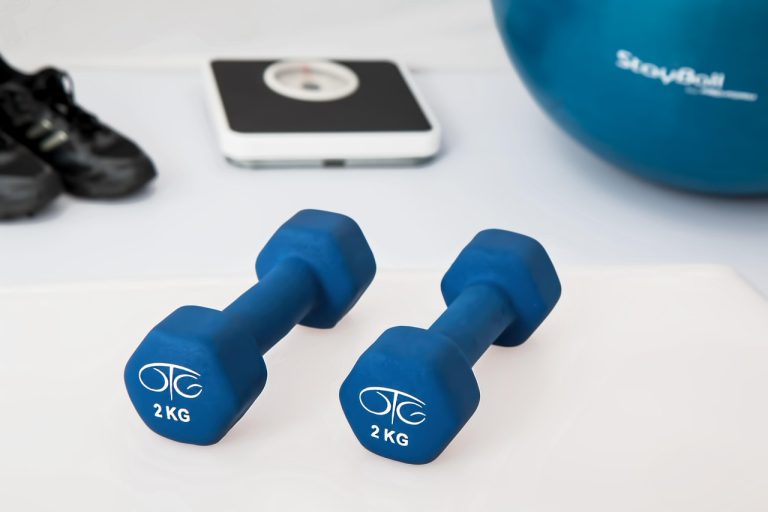
Stepping away from our desks, leaving the couch behind, and generally incorporating more movement into our daily lives can often feel like a Herculean task. But it doesn’t have to be! Integrating small bursts of activity throughout your day is a highly effective way to boost your physical and mental wellbeing. This isn’t just about hitting the gym; it’s about finding fun and creative ways to weave movement into the fabric of your everyday routine, transforming mundane moments into opportunities for health and vitality. Let’s explore some practical daily movement ideas that you can easily implement to improve your overall quality of life.
Rethinking Your Commute
Your commute, often perceived as a necessary evil, can actually be a prime opportunity to incorporate physical activity into your day. By making a few simple changes, you can transform your journey into a mini-workout.
Walking or Cycling Part of the Way
- Actionable Takeaway: Park further away from your office or public transport stop and walk the remaining distance. Even a 10-15 minute walk each way can significantly increase your daily step count. Alternatively, consider cycling to work if feasible and safe.
Reduced stress levels
Improved cardiovascular health
Lower carbon footprint
Opportunity to enjoy the outdoors
Increased energy levels
- Practical Example: If you usually drive directly to the office, try parking a few blocks away and walking the rest of the way. If you take public transport, get off one or two stops early and walk the remaining distance.
Active Public Transport
- Actionable Takeaway: When using public transportation, stand instead of sitting whenever possible. This engages your core muscles and improves balance.
Increased muscle activation
Improved balance and stability
Calorie burn
Reduced risk of varicose veins
- Practical Example: While waiting for the bus or train, do calf raises or stretches. On the bus or train, stand and maintain your balance without holding on (when safe to do so).
Desk-Friendly Exercises
Prolonged sitting is detrimental to your health. Breaking up long periods of inactivity with desk-friendly exercises can make a world of difference.
Simple Stretches and Movements
- Actionable Takeaway: Set a timer to remind you to stand up and stretch every 30-60 minutes. Focus on stretching your neck, shoulders, back, and legs.
Improved circulation
Reduced muscle stiffness
Increased flexibility
Enhanced focus and concentration
Prevention of musculoskeletal issues
- Practical Example: Try neck rolls, shoulder shrugs, arm circles, and back extensions. You can also perform seated leg raises or ankle rotations.
Standing Desk or Treadmill Desk
- Actionable Takeaway: Consider using a standing desk or treadmill desk to increase your activity levels while working.
Increased calorie burn
Improved posture
Reduced risk of obesity and related health problems
Enhanced productivity
Reduced back pain
- Practical Example: Start by standing for 30 minutes each day and gradually increase the amount of time you spend standing. If using a treadmill desk, aim for a slow walking pace that allows you to work comfortably. Studies suggest even light activity throughout the workday can significantly improve health markers.
Making Chores Active
Household chores, often dreaded, can be transformed into opportunities for movement. By approaching them with a more active mindset, you can turn mundane tasks into mini-workouts.
Active Cleaning
- Actionable Takeaway: Put some music on and clean with gusto! Increase your intensity and focus on using your muscles.
Increased calorie burn
Improved cardiovascular health
Muscle strengthening
A cleaner home
Reduced stress
- Practical Example: Scrub floors with more vigor, vacuum with purpose, and dance while you dust. Turn up the music and enjoy the process.
Gardening
- Actionable Takeaway: Spend time gardening, weeding, and planting. These activities involve bending, lifting, and stretching, which are all great for your body.
Improved strength and flexibility
Increased vitamin D exposure
Stress relief
Connection with nature
Fresh produce (if growing food)
- Practical Example: Spend 30 minutes each day tending to your garden. Plant flowers, weed your garden beds, and enjoy the sunshine.
Fun and Engaging Activities
Movement doesn’t have to feel like a chore. Incorporating fun and engaging activities into your daily routine can make it easier to stay active and motivated.
Dancing
- Actionable Takeaway: Put on your favorite music and dance! Dance in your living room, at a party, or in a dance class.
Improved cardiovascular health
Increased coordination and balance
Stress relief
Enhanced mood
Social interaction (if dancing with others)
- Practical Example: Have a dance party with your family or friends. Take a dance class (e.g., Zumba, salsa, ballroom). Or simply dance in your living room while doing chores.
Playtime with Kids or Pets
- Actionable Takeaway: Engage in active playtime with your kids or pets. This is a fun and effective way to get moving and bond with your loved ones.
Increased physical activity
Improved mood and happiness
Strengthened relationships
Stress relief
Fun and enjoyable experience
- Practical Example: Play tag with your kids, throw a ball for your dog, or go for a walk together. According to the CDC, children need at least 60 minutes of physical activity each day, and playing with them is a great way to help them achieve that goal while also getting yourself moving.
Mindful Movement Practices
Incorporate movement practices that focus on awareness, flexibility, and balance to foster a deeper connection between your mind and body.
Yoga or Pilates
- Actionable Takeaway: Dedicate time to yoga or Pilates sessions, even if it’s just for 15-20 minutes daily.
Improved flexibility
Enhanced balance
Increased strength, especially core strength
Stress reduction
Improved body awareness
- Practical Example: Follow a beginner-friendly online yoga tutorial or attend a local Pilates class. Focus on proper form and breathing throughout each exercise.
Tai Chi
- Actionable Takeaway: Practice Tai Chi’s gentle, flowing movements to improve balance and reduce stress.
Improved balance and coordination
Stress reduction
Increased flexibility
Gentle on joints
Improved mental clarity
- Practical Example: Join a Tai Chi group or follow online videos to learn the basic forms. Practice regularly to reap the full benefits.
Using Technology to Stay Active
Modern technology offers various tools and apps to help you track your activity, set goals, and stay motivated.
Fitness Trackers and Apps
- Actionable Takeaway: Utilize fitness trackers or smartphone apps to monitor your daily steps, activity levels, and sleep patterns.
Increased awareness of your activity levels
Motivation to achieve daily goals
Tracking progress over time
Identifying areas for improvement
Gamification of fitness
- Practical Example: Use a fitness tracker to monitor your daily step count and set a goal to increase it gradually. Utilize apps that provide guided workouts or challenge you to complete specific activities.
Online Workout Videos
- Actionable Takeaway: Access a variety of online workout videos for different fitness levels and interests.
Convenient and accessible workouts at home
Variety of exercises to choose from
Expert guidance and instruction
Affordable or free options available
* Flexibility to workout at your own pace
- Practical Example: Search for workout videos on YouTube or subscribe to a fitness app that offers a wide range of exercise routines. Choose videos that match your fitness level and interests.
Conclusion
Incorporating daily movement into your routine doesn’t require drastic lifestyle changes. By embracing these simple yet effective strategies, you can transform mundane moments into opportunities for physical and mental wellbeing. Whether it’s rethinking your commute, engaging in desk-friendly exercises, making chores active, or exploring fun and mindful activities, the key is to find what works best for you and consistently integrate these practices into your daily life. Remember, every step counts toward a healthier and more vibrant you!