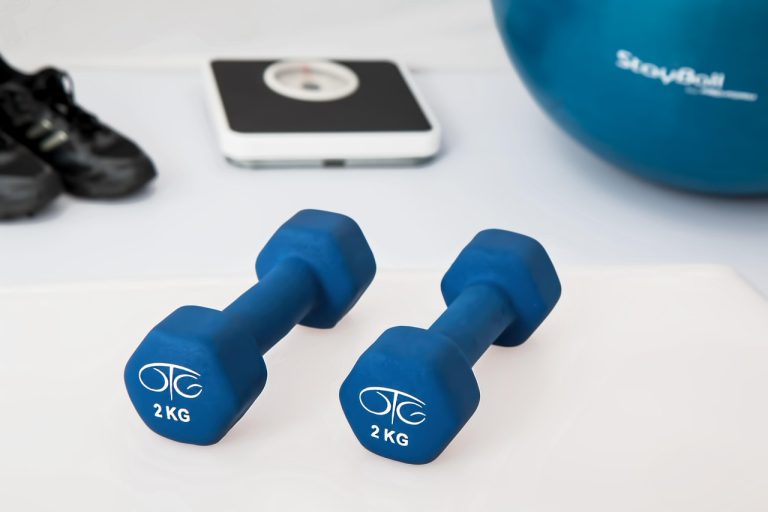
Start moving! It’s a simple command, but one that can unlock a world of physical and mental well-being. In today’s fast-paced world, it’s easy to fall into sedentary habits, but prioritizing movement is crucial for a healthier, happier life. This blog post dives deep into the myriad benefits of incorporating regular activity into your daily routine, offering practical tips and strategies to help you get started and stay motivated.
Why Movement Matters: Unveiling the Benefits
Physical Health Boost
Getting your body moving offers a wealth of physical advantages that extend far beyond just weight management. Regular physical activity significantly reduces the risk of chronic diseases like heart disease, type 2 diabetes, and certain types of cancer.
- Cardiovascular Health: Movement strengthens your heart, improves circulation, and lowers blood pressure.
- Weight Management: Exercise helps you burn calories and build muscle, aiding in weight loss or maintenance.
- Bone Density: Weight-bearing exercises, such as walking, running, and weightlifting, increase bone density and reduce the risk of osteoporosis.
- Muscle Strength and Endurance: Regular activity builds stronger muscles, improving your overall physical function and reducing the risk of falls.
For example, a brisk 30-minute walk most days of the week can dramatically improve your cardiovascular health.
Mental Well-being Enhancement
The benefits of movement extend beyond the physical realm; it profoundly impacts your mental well-being.
- Mood Elevation: Exercise releases endorphins, which have mood-boosting effects and can alleviate symptoms of depression and anxiety.
- Stress Reduction: Physical activity helps you manage stress by lowering cortisol levels.
- Improved Sleep: Regular exercise can improve sleep quality, helping you fall asleep faster and sleep more soundly.
- Cognitive Function: Movement enhances cognitive function, including memory, focus, and attention.
Consider this: taking a short walk during your lunch break can significantly reduce stress and improve your focus for the afternoon.
Getting Started: Practical Tips and Strategies
Setting Realistic Goals
One of the biggest mistakes people make is trying to do too much too soon. It’s essential to set achievable goals that align with your current fitness level.
- Start Small: Begin with 10-15 minutes of activity each day and gradually increase the duration and intensity.
- Focus on Consistency: Aim for consistency rather than perfection. Even short bursts of activity are better than none.
- Track Your Progress: Use a fitness tracker or journal to monitor your progress and stay motivated.
- Celebrate Milestones: Acknowledge and celebrate your achievements, no matter how small.
Example: Instead of aiming to run a marathon right away, start with walking for 20 minutes three times a week and gradually increase the duration and intensity.
Finding Activities You Enjoy
The key to long-term success is finding activities you genuinely enjoy. When exercise feels like a chore, it’s much harder to stick with it.
- Explore Different Options: Experiment with various activities, such as walking, running, swimming, cycling, dancing, yoga, or team sports.
- Incorporate Variety: Mix up your routine to prevent boredom and challenge different muscle groups.
- Find a Workout Buddy: Exercising with a friend or family member can make it more enjoyable and keep you accountable.
- Make It Fun: Listen to music, podcasts, or audiobooks while you exercise to make it more engaging.
Tip: If you enjoy being outdoors, try hiking, kayaking, or gardening.
Incorporating Movement into Your Daily Routine
Simple Ways to Increase Activity
Even small changes to your daily routine can make a big difference in your overall activity level.
- Take the Stairs: Opt for the stairs instead of the elevator whenever possible.
- Walk or Bike: Walk or bike to work, errands, or appointments whenever feasible.
- Stand Up Regularly: Set a timer to remind yourself to stand up and move around every 30 minutes, especially if you have a desk job.
- Park Farther Away: Park farther away from your destination to get in some extra steps.
- Active Breaks: Incorporate short bursts of activity into your workday, such as stretching, jumping jacks, or a quick walk around the block.
Example: During your lunch break, instead of sitting at your desk, take a brisk 15-minute walk.
Making Movement a Habit
To make movement a sustainable part of your lifestyle, you need to integrate it into your daily routine.
- Schedule It: Treat your workouts like appointments and schedule them into your calendar.
- Set Reminders: Use your phone or calendar to set reminders for your workouts.
- Prepare in Advance: Lay out your workout clothes the night before to make it easier to get started in the morning.
- Create a Routine: Establish a consistent workout routine to make movement a natural part of your day.
Consider setting a reminder on your phone for 6 PM every weekday to prompt you to go for a walk or hit the gym.
Overcoming Barriers: Staying Motivated
Addressing Common Challenges
Everyone faces challenges when it comes to staying active. Identifying these barriers and developing strategies to overcome them is crucial.
- Lack of Time: Break your workouts into smaller, more manageable chunks. Even 10-minute bursts of activity can be beneficial.
- Fatigue: Start with low-intensity activities and gradually increase the intensity as your fitness level improves.
- Lack of Motivation: Find a workout buddy, join a fitness class, or set a specific goal to stay motivated.
- Injuries: Consult with a doctor or physical therapist to develop a safe and effective exercise plan.
If you find it hard to get motivated, try signing up for a fun run or charity walk. Having a specific goal can provide the extra push you need.
Maintaining Long-Term Consistency
The key to reaping the long-term benefits of movement is to maintain consistency over time.
- Be Patient: Results take time, so don’t get discouraged if you don’t see progress immediately.
- Listen to Your Body: Rest and recover when needed to prevent injuries and burnout.
- Stay Flexible: Be willing to adjust your routine as needed to accommodate changes in your schedule or energy levels.
- Celebrate Successes: Acknowledge and celebrate your achievements to stay motivated.
Remember, even small amounts of consistent movement are better than sporadic bursts of intense activity.
Conclusion
Movement is a cornerstone of a healthy and fulfilling life. By understanding the numerous benefits, setting realistic goals, finding activities you enjoy, and overcoming common barriers, you can successfully incorporate regular activity into your daily routine. Start small, stay consistent, and celebrate your progress along the way. Make the commitment to start moving today and unlock a world of physical and mental well-being. Your body and mind will thank you for it!