Feeling sluggish? Overwhelmed by the thought of a grueling workout routine? You’re not alone! Many of us struggle to find the time and energy for intense exercise. But the good news is that getting healthier doesn’t have to involve hours at the gym. Incorporating easy daily exercises into your routine can significantly improve your physical and mental well-being. This guide provides practical, simple exercises you can easily integrate into your daily life, making fitness accessible and sustainable.
The Importance of Daily Movement
Benefits of Regular Exercise
Making movement a daily habit, even in small increments, offers numerous benefits:
- Improved Cardiovascular Health: Regular exercise strengthens your heart, lowers blood pressure, and reduces the risk of heart disease. According to the American Heart Association, even 30 minutes of moderate-intensity exercise most days of the week can have a significant positive impact.
- Boosted Mood and Reduced Stress: Exercise releases endorphins, natural mood boosters that help alleviate stress, anxiety, and even symptoms of depression.
- Increased Energy Levels: Counterintuitively, exercise actually boosts your energy levels. Regular physical activity improves circulation and helps your body use oxygen more efficiently.
- Weight Management: Exercise burns calories and helps build muscle mass, making it easier to maintain a healthy weight.
- Improved Sleep Quality: Regular physical activity can help you fall asleep faster, sleep more soundly, and wake up feeling refreshed.
Overcoming Common Obstacles
Many people find it challenging to incorporate exercise into their daily routines due to:
- Lack of Time: The perception that exercise requires long, dedicated sessions can be daunting.
- Lack of Motivation: It can be hard to get started and stay consistent without clear goals and a supportive environment.
- Physical Limitations: Injuries or chronic conditions can make certain exercises difficult or impossible.
The key is to start small, be realistic, and find activities you enjoy.
Simple Exercises You Can Do Anywhere
Walking
Walking is arguably the easiest and most accessible form of exercise.
Take the stairs instead of the elevator.
Park farther away from your destination.
Walk during your lunch break.
Take a brisk walk around your neighborhood in the morning or evening.
- Target Daily Step Count: Aim for at least 7,000-10,000 steps per day. Use a pedometer or smartphone app to track your progress.
Stretching
Stretching improves flexibility, reduces muscle tension, and prevents injuries.
Perform simple stretches like arm circles, shoulder rolls, and leg stretches while waiting for your coffee to brew.
Incorporate stretches into your workday by taking short breaks to stretch your neck, back, and wrists.
* Practice yoga or Pilates, even for just 15-20 minutes a day.
- Focus Areas: Pay attention to areas that tend to get tight, such as your hamstrings, hip flexors, and shoulders.
Exercises to Incorporate into Your Workday
Desk Exercises
Even if you have a sedentary job, you can still incorporate movement into your workday.
- Seated Leg Raises: Extend one leg straight out, hold for a few seconds, and then lower it back down. Repeat with the other leg.
- Desk Push-Ups: Place your hands on the edge of your desk and push yourself away, engaging your chest and triceps.
- Chair Squats: Stand up and sit down repeatedly, engaging your leg muscles.
- Neck Rolls: Gently rotate your head from side to side and up and down to relieve neck tension.
Short Activity Bursts
Taking short breaks for physical activity can help boost your energy and productivity.
- Quick Walk: Take a 5-10 minute walk around the office or building.
- Stair Climbing: Climb a few flights of stairs.
- Jumping Jacks: Perform a set of jumping jacks to get your heart rate up.
- Bodyweight Squats: Do a few sets of bodyweight squats.
Home-Based Workouts
Bodyweight Exercises
Bodyweight exercises require no equipment and can be done anywhere.
- Squats: Stand with your feet shoulder-width apart and lower your hips as if you were sitting in a chair.
- Push-Ups: Place your hands shoulder-width apart on the floor and lower your body until your chest almost touches the ground.
- Lunges: Step forward with one leg and lower your body until both knees are bent at 90-degree angles.
- Plank: Hold a push-up position with your forearms on the ground, engaging your core muscles.
Utilizing Home Equipment
If you have basic home equipment, you can incorporate it into your workouts.
- Resistance Bands: Use resistance bands for strength training exercises like bicep curls, rows, and leg extensions.
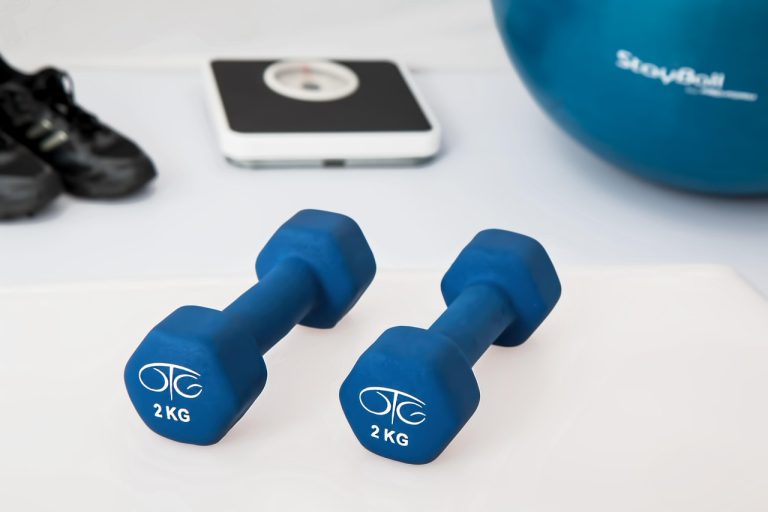
- Dumbbells: Use dumbbells for exercises like bicep curls, shoulder presses, and lunges.
- Yoga Mat: Use a yoga mat for stretching, yoga, Pilates, and core exercises.
Making Exercise a Habit
Setting Realistic Goals
Start with small, achievable goals and gradually increase the intensity and duration of your workouts.
- Example: Aim for 15 minutes of exercise per day for the first week, then gradually increase it to 30 minutes.
Finding an Exercise Buddy
Exercising with a friend or family member can help you stay motivated and accountable.
- Tips: Schedule regular workout sessions together, share your progress, and encourage each other.
Tracking Your Progress
Tracking your progress can help you stay motivated and see how far you’ve come.
- Tools: Use a fitness tracker, smartphone app, or journal to track your workouts, steps, and calorie intake.
Celebrating Your Successes
Acknowledge and celebrate your achievements, no matter how small. This will help you stay positive and motivated.
- Examples: Treat yourself to a healthy meal, a new workout outfit, or a relaxing massage.
Conclusion
Incorporating easy daily exercises into your routine is a simple yet powerful way to improve your overall health and well-being. By starting small, setting realistic goals, and finding activities you enjoy, you can make exercise a sustainable habit. Remember, even a few minutes of movement each day can make a significant difference. Embrace the opportunity to move more and feel better!