Physical Address
304 North Cardinal St.
Dorchester Center, MA 02124
Physical Address
304 North Cardinal St.
Dorchester Center, MA 02124


Imagine the precision of a concert pianist’s fingers dancing across the keys, or the unwavering focus of a surgeon performing a delicate procedure. These feats, seemingly effortless, are the result of years of dedicated training and a profound understanding of muscle control. But muscle control isn’t just for elite performers. It’s a fundamental aspect of everyday life, impacting everything from walking and talking to maintaining posture and balance. This post delves into the fascinating world of muscle control, exploring its mechanisms, benefits, and strategies for improvement.
Muscle control is orchestrated by the intricate interplay between the nervous system and the muscular system. The brain acts as the command center, sending electrical signals through the spinal cord and peripheral nerves to specific muscles. These signals trigger muscle fibers to contract, resulting in movement.
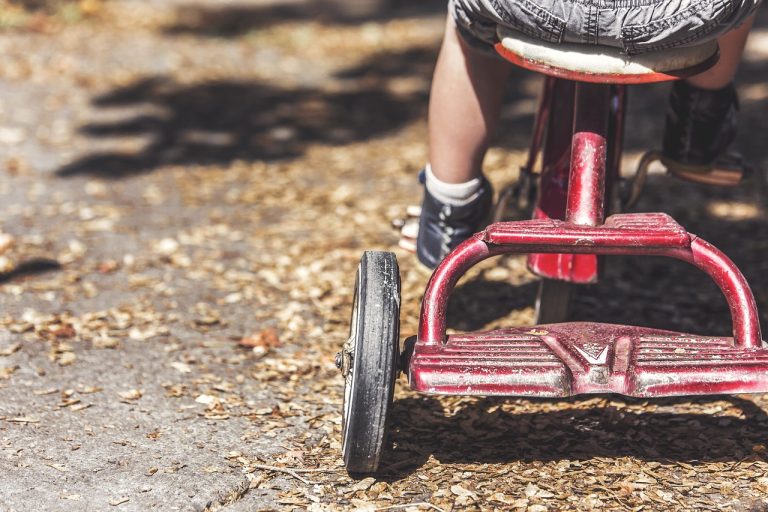
This constant feedback loop allows for precise adjustments and adaptations, leading to improved motor skills and muscle control over time. Think of learning to ride a bicycle. Initially, it’s a wobbly, unstable experience. But with practice, the brain learns to coordinate the muscles involved in balancing, steering, and pedaling, resulting in a smooth, controlled ride.
Muscles can contract in different ways, each playing a distinct role in movement and stability:
Understanding these different types of contractions allows for targeted training to improve specific aspects of muscle control. Eccentric training, in particular, is often used in rehabilitation to strengthen muscles and improve their ability to absorb impact.
Several factors can influence an individual’s ability to control their muscles:
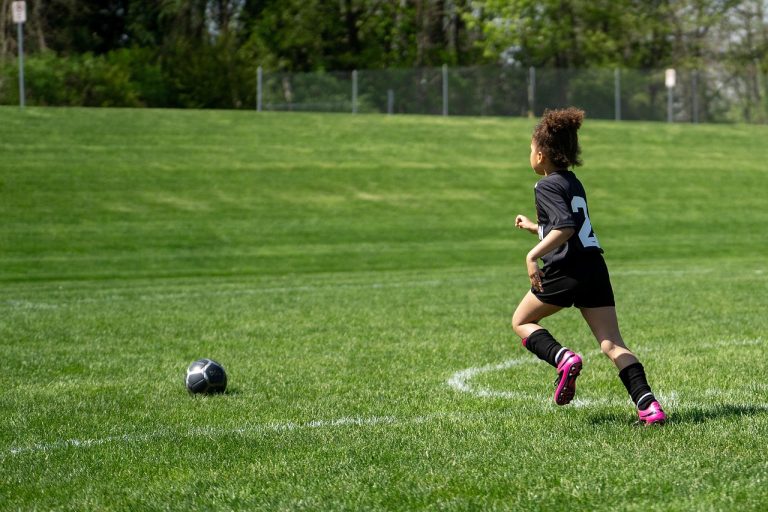
Precise muscle control is paramount for athletic success. It allows athletes to:
For example, a gymnast with exceptional muscle control can perform intricate routines with grace and precision, while a weightlifter can maximize their strength and stability during heavy lifts.
Good muscle control contributes significantly to improved coordination and balance. This is especially important for:
Activities like yoga and Pilates can specifically improve proprioception (awareness of body position) and balance, leading to enhanced muscle control and stability.
Strong and controlled muscles provide support to joints, reducing the risk of injury during physical activity. Furthermore, enhanced muscle control plays a crucial role in:
Physical therapists often utilize exercises that focus on improving muscle activation and control to help patients recover from injuries and prevent future occurrences.
Specific exercises can be used to target and strengthen specific muscle groups, leading to improved control.
Focusing on proper form and technique is crucial to maximize the benefits of these exercises and minimize the risk of injury.
Neuromuscular training focuses on improving the communication between the brain and muscles.
These exercises help to “re-train” the nervous system to better control muscle activation and coordination.
Mind-body practices like yoga, Pilates, and Tai Chi emphasize mindful movement and breath control, promoting a greater awareness of body position and muscle activation.
The emphasis on precision and control in these practices translates to improved overall body awareness and movement efficiency.
Integrating small changes into your daily routine can also contribute to improved muscle control:
For instance, while lifting groceries, focus on engaging your core muscles to maintain a stable spine. Or, while brushing your teeth, stand on one leg to challenge your balance and improve lower body muscle control.
Muscle control is a vital aspect of physical function, impacting everything from athletic performance to everyday activities. By understanding the neuromuscular system, implementing targeted training strategies, and incorporating mindful movement practices, individuals can enhance their muscle control, improve their coordination, and reduce their risk of injury. Regardless of age or fitness level, dedicating time to improving muscle control can lead to a healthier, more active, and fulfilling life.