Juggling work, family, and social life can leave precious little time for hitting the gym. But what if you could carve out a highly effective workout right in the comfort of your own home? Creating a personalized home workout flow is the key to achieving your fitness goals without the commute. This guide provides the knowledge and tools to design a workout routine that fits your lifestyle and helps you reach your full potential.
Understanding the Benefits of a Home Workout Flow
Time Efficiency and Convenience
- Eliminate Travel Time: No more wasted minutes commuting to the gym; your workout space is steps away.
- Flexible Scheduling: Exercise whenever it suits you, be it early mornings, lunch breaks, or late evenings.
- No Gym Crowds: Enjoy a distraction-free workout without waiting for equipment.
Customization and Control
- Tailored to Your Needs: Design a routine that aligns with your specific fitness goals, whether it’s weight loss, muscle gain, or improved cardiovascular health.
- Personalized Equipment: Use the equipment you already own and enjoy, or gradually invest in pieces that enhance your workouts.
- Control Over Environment: Set the temperature, music, and ambiance to create your perfect workout space.
Example: Try a high-energy playlist for a cardio session or calming music for yoga.
Cost-Effectiveness
- Reduced Gym Memberships: Save money by ditching costly gym fees.
- Minimal Equipment Costs: Start with bodyweight exercises and gradually invest in affordable equipment like resistance bands or dumbbells.
- Free Online Resources: Access a wealth of free workout videos and tutorials on platforms like YouTube. A study by Statista revealed that over 87 million Americans used fitness apps in 2022, showcasing the popularity of accessible home workout guidance.
Designing Your Personalized Home Workout
Assessing Your Fitness Level and Goals
- Identify Your Starting Point: Determine your current fitness level through self-assessment or a consultation with a fitness professional.
- Set Realistic Goals: Define specific, measurable, achievable, relevant, and time-bound (SMART) goals.
Example: Aim to increase your plank hold time by 30 seconds within four weeks.
- Consider Your Limitations: Be mindful of any injuries or health conditions that may affect your workout routine. Consult a doctor or physical therapist if needed.
Structuring Your Workout Flow
- Warm-up (5-10 minutes): Prepare your body for exercise with light cardio and dynamic stretching.
Example: Jumping jacks, arm circles, leg swings, and torso twists.
- Strength Training (20-40 minutes): Focus on compound exercises that work multiple muscle groups.
Example: Squats, push-ups, lunges, rows (using resistance bands or dumbbells).
- Cardiovascular Exercise (20-30 minutes): Elevate your heart rate with activities like jumping rope, running in place, or dancing.
- Cool-down (5-10 minutes): Gradually lower your heart rate and stretch your muscles to improve flexibility and reduce muscle soreness.
* Example: Static stretching, holding each stretch for 30 seconds.
Sample Weekly Schedule
- Monday: Strength Training (Full Body)
- Tuesday: Cardio (HIIT or Steady State)
- Wednesday: Active Recovery (Yoga or Pilates)
- Thursday: Strength Training (Upper Body)
- Friday: Cardio (Longer Duration)
- Saturday: Rest or Light Activity (Walking)
- Sunday: Rest
Essential Equipment and Space Setup
Minimalist Equipment Options
- Resistance Bands: Versatile and affordable, ideal for a variety of exercises.
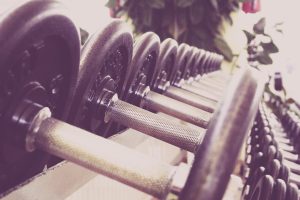
- Dumbbells: Adjustable dumbbells allow for progressive overload as you get stronger.
- Yoga Mat: Provides cushioning and support for floor exercises.
- Jump Rope: An effective cardio tool for burning calories.
Creating a Dedicated Workout Space
- Designate a Specific Area: Choose a room or corner in your home where you can comfortably exercise without distractions.
- Ensure Adequate Space: Make sure you have enough room to move freely and perform exercises safely.
- Optimize the Environment: Ensure good ventilation, lighting, and temperature control.
- Mirror: A mirror can help you check your form and ensure proper technique.
Safety Considerations
- Proper Form: Focus on maintaining correct form to prevent injuries. Watch videos and use mirrors to check your technique.
- Warm-up and Cool-down: Never skip these essential components of your workout.
- Listen to Your Body: Rest when needed and avoid pushing yourself too hard, especially when starting.
- Hydration: Drink plenty of water before, during, and after your workout.
Maintaining Motivation and Consistency
Setting Achievable Goals and Tracking Progress
- Break Down Larger Goals: Divide your long-term goals into smaller, manageable steps.
- Track Your Progress: Use a fitness tracker, journal, or app to monitor your workouts and progress.
- Celebrate Milestones: Reward yourself for achieving your goals to stay motivated.
Varying Your Routine and Adding Challenges
- Change Up Exercises: Introduce new exercises to prevent boredom and challenge your muscles in different ways.
- Increase Intensity: Gradually increase the weight, reps, or sets to continue challenging yourself.
- Try New Workout Styles: Experiment with different types of workouts, such as HIIT, yoga, or Pilates.
- Online Fitness Communities: Join online groups to share tips, motivation, and accountability.
Creating a Consistent Schedule
- Schedule Your Workouts: Treat your workouts like important appointments and schedule them in your calendar.
- Establish a Routine: Stick to your workout schedule as much as possible to make exercise a habit.
- Find a Workout Buddy: Partnering with a friend or family member can provide extra motivation and accountability.
Conclusion
Creating a home workout flow is a powerful way to take control of your fitness and achieve your goals without the limitations of a traditional gym. By understanding the benefits, designing a personalized routine, setting up your space, and maintaining motivation, you can establish a sustainable and effective fitness regimen. Embrace the convenience, flexibility, and customization of home workouts and unlock your full potential. Remember to listen to your body, stay consistent, and enjoy the journey to a healthier, fitter you.