Starting your fitness journey can feel overwhelming, but it doesn’t have to be! Embarking on a regular exercise routine is one of the best things you can do for your physical and mental health. This guide provides practical, beginner-friendly exercise ideas to help you build a solid foundation and achieve your fitness goals. We’ll explore a variety of options, from simple bodyweight exercises to low-impact cardio, ensuring a safe and effective start to your healthier lifestyle.
Getting Started with Exercise: A Beginner’s Guide
This section focuses on the crucial first steps to ease you into a sustainable fitness routine. It’s about setting realistic goals and understanding the importance of listening to your body.
Understanding Your Current Fitness Level
Before diving into any exercise program, it’s essential to assess your current fitness level. This involves considering factors such as:
- Cardiovascular Endurance: How easily do you get winded during simple activities?
- Strength: Can you easily lift everyday objects?
- Flexibility: How easily can you reach for your toes?
A simple self-assessment can include:
- Walking Test: Time how long it takes you to walk a mile.
- Push-Up Test: See how many push-ups you can do (even against a wall counts!).
- Sit-and-Reach Test: Measure how far you can reach past your toes while sitting with legs extended.
Knowing your baseline helps you track your progress and choose exercises that are appropriate for your current abilities.
Setting Realistic Goals
Setting realistic goals is crucial for maintaining motivation and preventing discouragement. Aim for small, achievable milestones rather than overwhelming, long-term targets. Examples include:
- Exercising for 30 minutes, three times a week.
- Walking for 15 minutes every day.
- Being able to perform 10 push-ups from your knees.
Remember to celebrate your accomplishments along the way! Studies show that individuals with clearly defined goals are more likely to stick to their fitness plans.
The Importance of Warm-Up and Cool-Down
Never skip your warm-up and cool-down! These are essential for preventing injuries and maximizing the benefits of your workout.
- Warm-up: Prepare your body for exercise by increasing blood flow and muscle temperature. Examples include:
Light cardio like marching in place or arm circles (5-10 minutes).
Dynamic stretching like leg swings and torso twists (5-10 minutes).
- Cool-down: Allow your body to gradually return to a resting state. Examples include:
Slow walking or cycling (5-10 minutes).
Static stretching, holding each stretch for 30 seconds (5-10 minutes).
Bodyweight Exercises for Beginners
Bodyweight exercises are a fantastic way to build strength and endurance without any equipment.
Squats
Squats are a compound exercise that works your legs, glutes, and core.
- How to Perform: Stand with your feet shoulder-width apart, toes slightly pointed out. Lower your hips as if you’re sitting in a chair, keeping your back straight and your core engaged. Ensure your knees don’t go past your toes.
- Beginner Tip: If full squats are challenging, try doing partial squats or using a chair for support.
Push-Ups
Push-ups target your chest, shoulders, and triceps.
- How to Perform: Start in a plank position, with your hands shoulder-width apart. Lower your body until your chest almost touches the floor, keeping your body in a straight line. Push back up to the starting position.
- Beginner Tip: Perform push-ups against a wall or on your knees to reduce the intensity.
Plank
Plank is an excellent exercise for strengthening your core.
- How to Perform: Start in a push-up position, but rest on your forearms instead of your hands. Keep your body in a straight line from head to heels, engaging your core muscles.
- Beginner Tip: Start by holding the plank for 20-30 seconds and gradually increase the duration as you get stronger.
Lunges
Lunges are great for working your legs and glutes independently.
- How to Perform: Step forward with one leg, lowering your body until both knees are bent at a 90-degree angle. Keep your front knee behind your toes and your back knee close to the ground. Push back to the starting position and repeat on the other leg.
- Beginner Tip: Use a chair or wall for balance if needed.
Low-Impact Cardio for Beginners
Low-impact cardio exercises are gentle on your joints while still providing cardiovascular benefits.
Walking
Walking is a simple and accessible exercise that can be done anywhere.
- Benefits: Improves cardiovascular health, boosts mood, and helps with weight management.
- Tips: Start with 15-30 minute walks at a moderate pace and gradually increase the duration and intensity. Incorporate hills for an added challenge.
Swimming
Swimming is a full-body workout that is easy on the joints.
- Benefits: Improves cardiovascular fitness, strengthens muscles, and increases flexibility.
- Tips: Start with short intervals of swimming and rest in between. Focus on proper form to avoid injuries.
Cycling
Cycling is a great way to improve cardiovascular health and leg strength.
- Benefits: Improves cardiovascular fitness, strengthens leg muscles, and burns calories.
- Tips: Start with short rides on flat surfaces and gradually increase the distance and incline. Consider using a stationary bike indoors if the weather is unfavorable.
Yoga and Pilates
Yoga and Pilates are low-impact exercises that focus on flexibility, strength, and balance.
- Benefits: Improves flexibility, strengthens core muscles, reduces stress, and enhances body awareness.
- Tips: Start with beginner-level classes or follow online tutorials. Focus on proper alignment and breathing techniques.
Incorporating Strength Training
Strength training is essential for building muscle mass and increasing metabolism. Even as a beginner, you can safely introduce strength training to your routine.
Light Weights
Using light weights is a great way to build strength gradually.
- Exercises: Bicep curls, tricep extensions, shoulder presses, and rows.
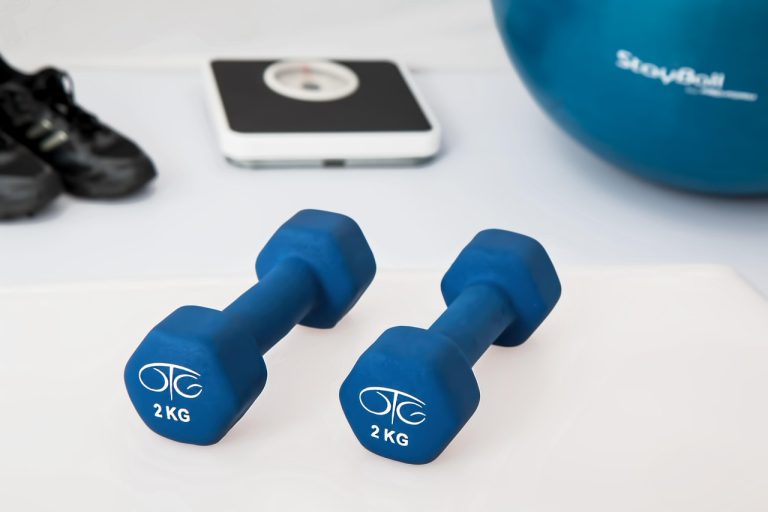
- Tips: Start with 1-2 pound weights and gradually increase the weight as you get stronger. Focus on proper form and control. Perform 2-3 sets of 10-12 repetitions for each exercise.
Resistance Bands
Resistance bands are a versatile and affordable option for strength training.
- Benefits: Provide variable resistance, making exercises more challenging as you progress.
- Exercises: Banded squats, bicep curls, tricep extensions, and rows.
- Tips: Choose bands with different resistance levels to suit your strength. Follow online tutorials to learn proper form and technique.
Importance of Proper Form
Maintaining proper form is crucial for preventing injuries and maximizing the effectiveness of your workout.
- Tips: Watch videos and read articles to learn the correct form for each exercise. Use a mirror to monitor your form. Consider working with a certified personal trainer to get personalized guidance.
Staying Motivated and Consistent
Consistency is key to achieving your fitness goals. Finding ways to stay motivated and make exercise a regular part of your life is essential.
Find an Exercise Buddy
Working out with a friend or family member can provide motivation and accountability.
- Benefits: Makes exercise more enjoyable, increases accountability, and provides support.
- Tips: Choose an exercise buddy with similar fitness goals and schedules. Schedule regular workout sessions together and encourage each other.
Track Your Progress
Tracking your progress can help you stay motivated and see how far you’ve come.
- Methods: Use a fitness tracker, keep a workout journal, or take progress photos.
- Tips: Set realistic goals and track your progress towards those goals. Celebrate your accomplishments along the way.
Make it Fun
Finding activities that you enjoy will make exercise more sustainable.
- Ideas: Try different types of exercises, such as dancing, hiking, or sports. Listen to music or podcasts while you work out. Reward yourself for reaching milestones (but not with food!).
Listen to Your Body
Rest and recovery are just as important as exercise. Listen to your body and take rest days when needed.
- Tips: Pay attention to signs of overtraining, such as fatigue, soreness, and decreased performance. Don’t push yourself too hard, especially when you’re just starting out. Prioritize sleep, nutrition, and stress management.
Conclusion
Embarking on your fitness journey as a beginner doesn’t have to be daunting. By starting with simple exercises, setting realistic goals, and staying consistent, you can build a solid foundation for a healthier and more active lifestyle. Remember to listen to your body, celebrate your progress, and most importantly, have fun! With dedication and perseverance, you can achieve your fitness goals and enjoy the many benefits of regular exercise.