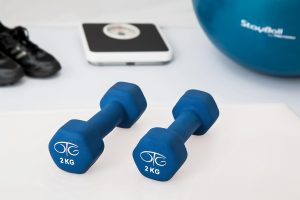
Want to feel more energized, reduce stress, and improve your overall health? It’s more achievable than you think! Cultivating healthy fitness habits doesn’t require drastic measures or hours spent in the gym. It’s about making consistent, small changes that accumulate into significant long-term benefits. This guide provides practical strategies and actionable tips to help you establish and maintain fitness habits that will positively impact your life.
Defining Your Fitness Goals
Understanding Your “Why”
Before diving into workouts and meal plans, it’s crucial to understand why you want to improve your fitness.
- Weight Management: Losing weight, gaining muscle, or maintaining a healthy weight.
- Improved Health: Reducing the risk of chronic diseases like heart disease, diabetes, and some cancers.
- Increased Energy Levels: Feeling more energetic throughout the day.
- Mental Well-being: Reducing stress, anxiety, and improving mood.
- Improved Sleep Quality: Getting a more restful and restorative sleep.
- Enhanced Athletic Performance: Improving performance in a specific sport or activity.
Write down your “why” and revisit it regularly to stay motivated. This personal connection will keep you committed when challenges arise.
Setting SMART Goals
Once you understand your “why”, transform your aspirations into SMART goals: Specific, Measurable, Achievable, Relevant, and Time-bound.
- Specific: Instead of “get in shape,” aim for “lose 10 pounds.”
- Measurable: Track your progress through weight measurements, fitness app data, or workout logs.
- Achievable: Start with realistic goals. Don’t aim to run a marathon if you’ve never run before. Begin with a 5k.
- Relevant: Ensure your goals align with your values and overall well-being.
- Time-bound: Set a deadline, such as “lose 10 pounds in 3 months.”
- Example: Instead of a vague goal like “exercise more,” a SMART goal would be “Walk for 30 minutes, 3 times per week, for the next month.”
Building a Consistent Workout Routine
Finding Activities You Enjoy
The key to long-term fitness is choosing activities you genuinely enjoy. Don’t force yourself to do workouts you hate.
- Explore different options: Try dancing, swimming, hiking, cycling, team sports, yoga, or weightlifting.
- Consider your preferences: Do you prefer working out alone or in a group? Indoors or outdoors?
- Mix it up: Vary your workouts to prevent boredom and target different muscle groups.
- Make it social: Workout with friends or join a fitness class. Social support can boost motivation.
- Example: If you dislike running, consider brisk walking, swimming, or cycling instead.
Creating a Schedule That Works
Consistency is key, so schedule your workouts like any other important appointment.
- Choose a time that fits your lifestyle: Are you a morning person or an evening person?
- Start small: Begin with 2-3 workouts per week and gradually increase frequency and duration.
- Schedule specific days and times: Treat these appointments as non-negotiable.
- Prepare in advance: Lay out your workout clothes, pack your gym bag, and plan your meals.
- Use a calendar or fitness app: Set reminders and track your progress.
- Example: Schedule 30-minute workouts on Mondays, Wednesdays, and Fridays after work.
Dealing with Setbacks and Maintaining Momentum
Everyone experiences setbacks. The key is to learn from them and get back on track.
- Don’t beat yourself up: A missed workout or unhealthy meal is not the end of the world.
- Identify the cause: Why did you skip your workout? Were you too tired, busy, or unmotivated?
- Adjust your plan: If you’re consistently missing workouts, adjust your schedule or choose a different activity.
- Find an accountability partner: Having someone to support and encourage you can make a big difference.
- Reward yourself (healthily): Celebrate your achievements with a massage, a new workout outfit, or a healthy treat.
Fueling Your Body for Success: Nutrition Basics
Focusing on Whole, Unprocessed Foods
Nutrition plays a crucial role in achieving your fitness goals. Focus on whole, unprocessed foods that provide essential nutrients.
- Fruits and Vegetables: Aim for at least five servings per day.
- Lean Protein: Choose sources like chicken, fish, beans, lentils, and tofu.
- Whole Grains: Opt for brown rice, quinoa, oats, and whole-wheat bread.
- Healthy Fats: Include sources like avocados, nuts, seeds, and olive oil.
- Limit processed foods, sugary drinks, and unhealthy fats.
- Example: A balanced meal could consist of grilled chicken breast, steamed broccoli, and brown rice.
Hydration is Key
Proper hydration is essential for energy levels, performance, and overall health.
- Drink plenty of water throughout the day: Aim for at least 8 glasses (64 ounces).
- Carry a water bottle with you: Sip on it regularly.
- Drink water before, during, and after workouts.
- Limit sugary drinks like soda and juice.
- Example: Before a workout, drink 16 ounces of water. During a workout, drink 4-8 ounces every 15-20 minutes.
Mindful Eating Habits
Pay attention to your body’s hunger and fullness cues.
- Eat slowly and savor your food: This allows your body to register fullness.
- Avoid distractions while eating: Turn off the TV and put away your phone.
- Listen to your body: Eat when you’re hungry and stop when you’re satisfied.
- Plan your meals and snacks in advance: This helps you make healthier choices.
- Example: Take a few deep breaths before you start eating. Put your fork down between bites.
Incorporating Movement into Daily Life
Small Changes, Big Impact
Fitness isn’t just about hitting the gym. Incorporate more movement into your daily life.
- Take the stairs instead of the elevator.
- Walk or bike to work or errands.
- Park further away from your destination.
- Take breaks from sitting to stretch or walk around.
- Do household chores actively (e.g., vacuuming, gardening).
- Example: Instead of emailing a colleague, walk to their desk to talk.
Making Exercise Fun and Social
Turn fitness into a social activity and make it enjoyable.
- Walk your dog.
- Play sports with friends or family.
- Dance to your favorite music.
- Go for a hike in nature.
- Join a recreational sports league.
- Example: Organize a weekly walking group with friends or family members.
Utilizing Technology
Use technology to track your activity levels and stay motivated.
- Wear a fitness tracker: Monitor your steps, calories burned, and sleep patterns.
- Use fitness apps: Track your workouts, set goals, and connect with other users.
- Watch online workout videos: Access a variety of exercise routines from the comfort of your home.
- Listen to podcasts or audiobooks while you exercise.
- Example: Use an app like MyFitnessPal to track your calorie intake and macronutrient ratios.
Prioritizing Rest and Recovery
Understanding the Importance of Sleep
Sleep is crucial for muscle recovery, energy levels, and overall health.
- Aim for 7-9 hours of sleep per night.
- Establish a regular sleep schedule: Go to bed and wake up at the same time each day, even on weekends.
- Create a relaxing bedtime routine: Take a warm bath, read a book, or listen to calming music.
- Avoid caffeine and alcohol before bed.
- Make sure your bedroom is dark, quiet, and cool.
- Example: Create a bedtime routine that includes turning off electronic devices an hour before bed and reading a book.
Active Recovery Techniques
Incorporate active recovery into your routine to reduce muscle soreness and improve flexibility.
- Gentle stretching: Hold each stretch for 30 seconds.
- Foam rolling: Target tight muscles.
- Light cardio: Walking, swimming, or cycling at a low intensity.
- Yoga or Pilates: Improve flexibility and balance.
- Example: Do 10-15 minutes of stretching or foam rolling after a workout.
Listening to Your Body
Pay attention to your body’s signals and rest when you need to.
- Don’t push yourself too hard, especially when you’re feeling fatigued or sore.
- Take rest days: Allow your muscles to recover.
- See a doctor if you experience persistent pain or discomfort.*
Conclusion
Building sustainable fitness habits is a journey, not a destination. By defining your goals, creating a consistent workout routine, fueling your body with nutritious foods, incorporating movement into your daily life, and prioritizing rest and recovery, you can achieve significant improvements in your physical and mental well-being. Remember to be patient with yourself, celebrate your progress, and enjoy the process. Small, consistent efforts will lead to lasting results and a healthier, happier you.