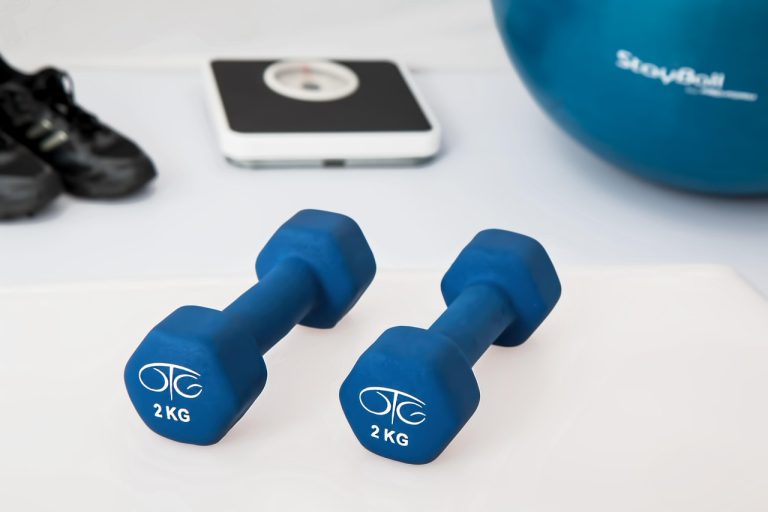
High-Intensity Interval Training (HIIT) might sound intimidating, but it’s an incredibly effective and time-efficient workout method perfect for beginners seeking to boost their fitness levels. This guide will break down the basics of HIIT, making it accessible and easy to incorporate into your routine, regardless of your current fitness level. Get ready to discover how short bursts of intense activity followed by recovery periods can revolutionize your fitness journey!
What is HIIT? Understanding the Basics
Defining High-Intensity Interval Training
High-Intensity Interval Training, or HIIT, is a workout technique that alternates between short periods of intense anaerobic exercise with less intense recovery periods. The goal is to push yourself to your maximum effort during the high-intensity intervals, leading to greater calorie burn and improved cardiovascular health in a shorter amount of time.
The Science Behind HIIT’s Effectiveness
HIIT workouts are effective due to a phenomenon called Excess Post-exercise Oxygen Consumption (EPOC), also known as the “afterburn effect.” This means your body continues to burn calories at a higher rate even after you’ve finished exercising. Studies have shown that HIIT can lead to significant improvements in:
- Cardiovascular fitness
- Insulin sensitivity
- Fat loss
- Muscle endurance
Benefits of HIIT for Beginners
While HIIT may sound intense, it offers numerous advantages for beginners:
- Time-efficient: HIIT workouts are typically shorter than traditional cardio sessions, often lasting between 10-30 minutes.
- Adaptable: HIIT can be modified to suit any fitness level. Beginners can start with shorter, less intense intervals and gradually increase the duration and intensity.
- Improved cardiovascular health: HIIT challenges your heart and lungs, leading to improved cardiovascular function.
- Enhanced fat burning: The afterburn effect helps you burn more calories even after your workout is complete.
- No equipment needed: Many HIIT exercises can be performed with just your body weight, making it accessible anywhere, anytime.
Getting Started: Designing Your First HIIT Workout
Choosing Exercises for Beginners
When starting HIIT, focus on bodyweight exercises that you can perform with proper form. Some great options include:
- Squats: A fundamental exercise that works your legs and glutes.
- Push-ups (or knee push-ups): Strengthen your chest, shoulders, and triceps.
- Lunges: Target your legs and glutes while improving balance.
- Jumping jacks: A classic cardio exercise that gets your heart rate up.
- High knees: Improve cardiovascular fitness and leg strength.
- Plank: Strengthen your core.
Structuring Your HIIT Routine
A beginner-friendly HIIT workout might look like this:
Warm-up (5 minutes): Light cardio, such as jogging in place or jumping jacks, followed by dynamic stretching (arm circles, leg swings).
Work Intervals (30 seconds): Perform your chosen exercise at high intensity.
Rest Intervals (60 seconds): Rest or perform low-intensity activity, such as walking.
Repeat: Complete 8-10 rounds of work and rest intervals.
Cool-down (5 minutes): Static stretching, holding each stretch for 30 seconds (e.g., hamstring stretch, quad stretch).
Example Routine:
- Warm-up (5 minutes)
- Squats (30 seconds)
- Rest (60 seconds)
- Push-ups (30 seconds)
- Rest (60 seconds)
- Lunges (30 seconds per leg)
- Rest (60 seconds)
- Jumping Jacks (30 seconds)
- Rest (60 seconds)
- Plank (30 seconds)
- Rest (60 seconds)
- Repeat 1-2 times
- Cool-down (5 minutes)
Adjusting Intensity and Duration
As a beginner, it’s crucial to listen to your body and adjust the intensity and duration of your workouts accordingly. Start with shorter work intervals and longer rest intervals. Gradually increase the intensity and duration of your work intervals and decrease the rest intervals as you get fitter.
- Beginner: 30 seconds work, 60 seconds rest
- Intermediate: 45 seconds work, 30 seconds rest
- Advanced: 60 seconds work, 15 seconds rest
Form is Key: Preventing Injuries
Proper Form for Common HIIT Exercises
Maintaining proper form is essential to prevent injuries. Here are some tips for common HIIT exercises:
- Squats: Keep your back straight, chest up, and knees behind your toes.
- Push-ups: Maintain a straight line from head to heels, engage your core, and lower your chest towards the ground.
- Lunges: Keep your front knee behind your toes and your back knee close to the ground.
- Plank: Engage your core, keep your back straight, and avoid sagging your hips.
Listening to Your Body
Pay attention to your body and stop if you experience any pain. It’s better to modify an exercise or take a break than to push yourself too hard and risk injury. Remember to prioritize proper form over speed or intensity, especially when starting out.
Common Mistakes to Avoid
- Skipping the warm-up: Warming up prepares your muscles for exercise and reduces the risk of injury.
- Sacrificing form for speed: Focus on maintaining proper form, even if it means slowing down.
- Not cooling down: Cooling down helps your body recover and reduces muscle soreness.
- Overtraining: Start with 2-3 HIIT workouts per week and gradually increase the frequency as you get fitter. Give your body adequate rest between workouts.
Tracking Progress and Staying Motivated
Setting Realistic Goals
Set realistic and achievable goals to stay motivated. Start with small goals, such as completing a certain number of HIIT workouts per week, and gradually increase your goals as you progress.
Monitoring Your Progress
Track your progress by:
- Recording your workouts: Note the exercises you performed, the duration of your work and rest intervals, and how you felt.
- Taking progress photos: Visual evidence can be a great motivator.
- Measuring your fitness level: Track your resting heart rate, the number of push-ups you can do, or how long you can hold a plank.
Finding a Workout Buddy or Community
Working out with a friend or joining a fitness community can provide support and motivation. Share your goals and progress with others, and celebrate your achievements together.
Making it Fun
Find ways to make your HIIT workouts enjoyable. Choose exercises that you like, listen to upbeat music, or try different workout variations to keep things interesting.
Sample Beginner HIIT Workout Plans
Option 1: Bodyweight Blast
- Warm-up (5 minutes)
- Jumping Jacks (30 seconds)
- Rest (60 seconds)
- Squats (30 seconds)
- Rest (60 seconds)
- Push-ups on Knees (30 seconds)
- Rest (60 seconds)
- Lunges (30 seconds per leg)
- Rest (60 seconds)
- Plank (30 seconds)
- Rest (60 seconds)
- Repeat 1-2 times
- Cool-down (5 minutes)
Option 2: Cardio Focus
- Warm-up (5 minutes)
- High Knees (30 seconds)
- Rest (60 seconds)
- Butt Kicks (30 seconds)
- Rest (60 seconds)
- Mountain Climbers (30 seconds)
- Rest (60 seconds)
- Jumping Jacks (30 seconds)
- Rest (60 seconds)
- Burpees (Modified – step back instead of jump) (30 seconds)
- Rest (60 seconds)
- Repeat 1-2 times
- Cool-down (5 minutes)
Option 3: Core Strengthening
- Warm-up (5 minutes)
- Plank (30 seconds)
- Rest (60 seconds)
- Crunches (30 seconds)
- Rest (60 seconds)
- Russian Twists (30 seconds)
- Rest (60 seconds)
- Leg Raises (30 seconds)
- Rest (60 seconds)
- Bicycle Crunches (30 seconds)
- Rest (60 seconds)
- Repeat 1-2 times
- Cool-down (5 minutes)
Conclusion
HIIT workouts are a fantastic way for beginners to improve their fitness levels, burn calories, and build strength in a short amount of time. By understanding the principles of HIIT, choosing appropriate exercises, prioritizing proper form, and tracking your progress, you can safely and effectively incorporate HIIT into your routine. Start slowly, listen to your body, and gradually increase the intensity and duration of your workouts as you get fitter. Remember, consistency is key, so stick with it, and you’ll be amazed at the results you can achieve!