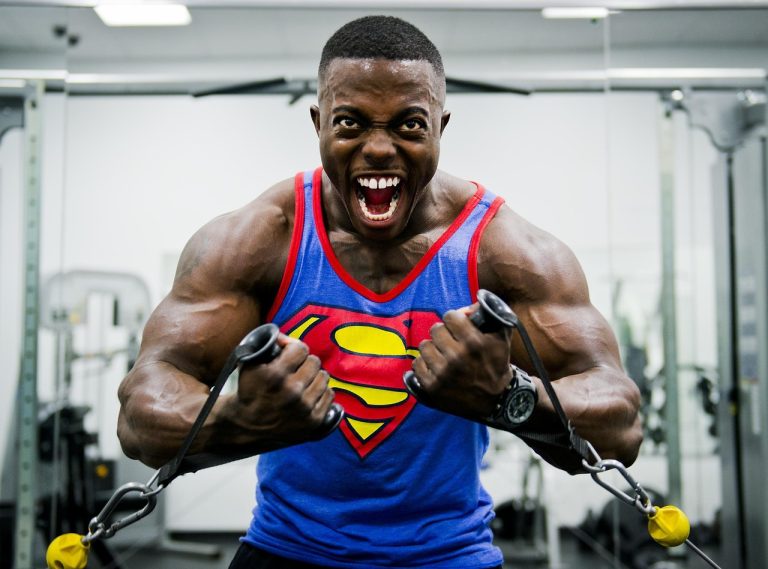
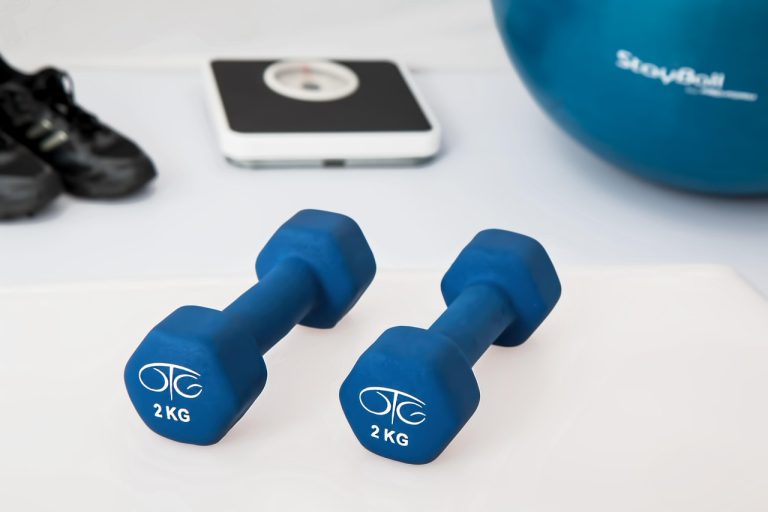
Juggling work, family, and life can often leave you feeling like there’s simply no time left for fitness. But what if you could reap the benefits of exercise without spending hours at the gym? Short workouts are a game-changer for beginners and busy individuals alike. They prove that even small bursts of activity can have a significant impact on your health and well-being. This guide will show you how to get started, stay motivated, and make the most of your limited time.
Why Short Workouts Are Perfect for Beginners
Accessibility and Convenience
Short workouts are incredibly accessible and convenient, making them ideal for beginners. You don’t need a gym membership or fancy equipment to get started.
- No Gym Required: Many short workouts can be done at home with just your body weight.
- Time-Efficient: Fitting in a 15-20 minute workout is much easier than carving out an hour.
- Easily Incorporated: You can sprinkle these workouts throughout your day, even during short breaks.
Reducing Intimidation
The thought of starting a new fitness routine can be intimidating, especially for beginners. Short workouts help to ease you into exercise gradually.
- Lower Commitment: A shorter duration feels less daunting than a long workout.
- Builds Confidence: Successfully completing a short workout boosts confidence and motivates you to do more.
- Reduces Overwhelm: It’s easier to focus on proper form and technique when you’re not exhausted.
Enhancing Consistency
Consistency is key to any successful fitness journey. Short workouts make it easier to maintain a regular exercise routine.
- Higher Adherence: People are more likely to stick to a workout plan that’s quick and easy. Studies show that shorter, more frequent bouts of exercise can lead to better long-term adherence compared to longer, less frequent sessions.
- Habit Formation: Short workouts can be easily incorporated into your daily routine, helping you build a consistent habit.
- Less Excuses: It’s harder to find an excuse not to do a 15-minute workout.
Designing Your Short Workout Routine
Choosing the Right Exercises
Selecting the right exercises is crucial for maximizing the benefits of short workouts. Focus on compound movements that work multiple muscle groups simultaneously.
- Bodyweight Exercises: These are great for beginners and require no equipment. Examples include:
Squats: Targets legs and glutes. Perform 3 sets of 10-15 repetitions.
Push-ups: Works chest, shoulders, and triceps. Aim for 3 sets of as many repetitions as possible (AMRAP).
Lunges: Targets legs and glutes, improving balance and coordination. Do 3 sets of 10-12 repetitions per leg.
Plank: Engages core muscles. Hold for 30-60 seconds for 3 sets.
Crunches: Focus on the abdominal muscles. Do 3 sets of 15-20 repetitions.
- Progression: Start with easier variations of exercises and gradually increase the difficulty as you get stronger.
- Warm-up and Cool-down: Always include a 5-minute warm-up (e.g., light cardio and dynamic stretching) and cool-down (static stretching) to prevent injuries.
Sample Short Workout Plans
Here are a couple of sample workout plans you can follow:
- Workout Plan 1 (Full Body):
Warm-up (5 minutes)
Squats (3 sets of 12 repetitions)
Push-ups (3 sets of AMRAP)
Lunges (3 sets of 10 repetitions per leg)
Plank (3 sets of 30 seconds hold)
Cool-down (5 minutes)
- Workout Plan 2 (Upper Body Focus):
Warm-up (5 minutes)
Push-ups (3 sets of AMRAP)
Dumbbell Rows (3 sets of 12 repetitions per arm – if you have dumbbells)
Tricep Dips (3 sets of AMRAP – use a chair or bench)
Plank (3 sets of 30 seconds hold)
* Cool-down (5 minutes)
Time Management Strategies
Effective time management is crucial for incorporating short workouts into your busy schedule.
- Schedule It: Treat your workout like any other important appointment and schedule it in your calendar.
- Morning Workouts: Starting your day with a short workout can boost your energy levels and improve your mood.
- Lunch Break Workouts: Use your lunch break to squeeze in a quick workout.
- Micro-Workouts: Break up your workouts into smaller, even shorter bouts throughout the day (e.g., 5-minute burst of activity every hour).
Maximizing the Benefits
Nutrition and Hydration
Proper nutrition and hydration are essential for supporting your fitness goals and maximizing the benefits of your short workouts.
- Balanced Diet: Focus on a balanced diet rich in fruits, vegetables, lean protein, and whole grains.
- Pre-Workout Fuel: Eat a small, easily digestible snack before your workout to provide energy. Options include a banana, apple slices with peanut butter, or a handful of almonds.
- Post-Workout Recovery: Consume a protein-rich snack or meal after your workout to help repair and rebuild muscle tissue. Greek yogurt, a protein shake, or chicken breast with vegetables are good choices.
- Hydration: Drink plenty of water throughout the day, especially before, during, and after your workouts.
Rest and Recovery
Rest and recovery are just as important as exercise. They allow your body to repair and rebuild muscle tissue, preventing injuries and improving performance.
- Sleep: Aim for 7-9 hours of quality sleep per night.
- Active Recovery: Incorporate light activities like walking, yoga, or stretching into your rest days to promote blood flow and reduce muscle soreness.
- Listen to Your Body: If you’re feeling sore or fatigued, take a break and allow your body to recover.
Tracking Progress and Staying Motivated
Tracking your progress and staying motivated is key to long-term success.
- Keep a Workout Journal: Record your workouts, including the exercises you performed, sets, repetitions, and weight used (if any).
- Set Realistic Goals: Set small, achievable goals to stay motivated.
- Reward Yourself: Celebrate your accomplishments with non-food rewards.
- Find a Workout Buddy: Exercising with a friend can provide support, encouragement, and accountability.
- Use Fitness Apps: Numerous fitness apps can help you track your progress, set goals, and find new workout ideas.
Common Mistakes to Avoid
Overtraining
Even with short workouts, it’s possible to overtrain, especially if you are not allowing for adequate recovery.
- Listen to Your Body: Recognize the signs of overtraining, such as fatigue, decreased performance, and increased risk of injury.
- Rest Days: Incorporate rest days into your workout routine to allow your body to recover.
- Progressive Overload: Gradually increase the intensity and duration of your workouts to avoid putting too much stress on your body.
Poor Form
Using improper form can increase your risk of injury and reduce the effectiveness of your workouts.
- Watch Tutorials: Learn the correct form for each exercise by watching instructional videos or working with a qualified trainer.
- Start Slow: Focus on maintaining proper form rather than lifting heavy weights or doing a large number of repetitions.
- Mirror Check: Use a mirror to check your form during exercises.
Neglecting Warm-up and Cool-down
Skipping the warm-up and cool-down can increase your risk of injury.
- Warm-up: Prepare your body for exercise with a 5-10 minute warm-up that includes light cardio and dynamic stretching.
- Cool-down: Allow your body to gradually return to its resting state with a 5-10 minute cool-down that includes static stretching.
Conclusion
Short workouts are an effective and accessible way for beginners to start their fitness journey. By focusing on compound exercises, designing a balanced routine, prioritizing proper nutrition and rest, and avoiding common mistakes, you can achieve your fitness goals even with limited time. Remember, consistency is key. Start small, stay motivated, and celebrate your progress along the way. You’ll be surprised at how much you can accomplish in just a few minutes each day!