Starting a workout routine can feel overwhelming, but it doesn’t have to be! Embracing a healthier lifestyle is a fantastic goal, and this guide is designed to provide beginner workout tips that will set you up for success. We’ll break down essential aspects of starting your fitness journey, from choosing the right exercises to staying motivated, ensuring you build a sustainable and enjoyable workout routine. Let’s dive in!
Setting Achievable Goals
Defining Your “Why”
Before even stepping foot in a gym or lacing up your running shoes, understanding why you want to start working out is crucial. This “why” will be your driving force when motivation dips. Are you aiming to improve your overall health, lose weight, build strength, reduce stress, or simply feel more energetic? Defining your motivation makes setting specific, measurable, achievable, relevant, and time-bound (SMART) goals easier.
- Example: Instead of “I want to get in shape,” try “I want to be able to run a 5k in six months.” This provides a clear target and timeframe.
- Example: Instead of “I want to build strength”, try “I want to be able to do 10 push-ups by the end of three months.”
Start Small and Realistic
Jumping into intense workouts right away is a recipe for burnout and potential injury. Begin with manageable goals and gradually increase intensity and duration as you get stronger.
- Beginner Goal: Aim for 30 minutes of exercise, three times a week. This is a reasonable starting point for most individuals.
- Intermediate Goal (after a few weeks): Increase to 45 minutes of exercise, four times a week, with added intensity or new exercises.
- Listen to Your Body: Rest days are essential for muscle recovery and preventing overtraining. Don’t push through pain; rest and recover.
Tracking Your Progress
Monitoring your progress is a great way to stay motivated and see how far you’ve come.
- Keep a Workout Journal: Note down the exercises you perform, the number of repetitions, sets, and your overall feeling after the workout.
- Use Fitness Apps or Wearable Trackers: These can help track your activity levels, heart rate, and calories burned.
- Take Progress Photos: Seeing physical changes can be incredibly motivating. Take photos every few weeks in the same clothing and lighting.
- Celebrate Milestones: Acknowledge your achievements, no matter how small. Rewarding yourself (healthily!) will keep you engaged.
Choosing the Right Workouts
Cardio Exercises for Beginners
Cardiovascular exercises are fantastic for improving your heart health, burning calories, and boosting your mood. Low-impact options are ideal for beginners.
- Walking: A simple and accessible exercise. Start with brisk walks of 20-30 minutes and gradually increase the duration and intensity.
- Swimming: Gentle on the joints and provides a full-body workout.
- Cycling: Either outdoors or on a stationary bike. Adjust the resistance to suit your fitness level.
- Elliptical Trainer: Offers a low-impact cardio workout that engages multiple muscle groups.
Strength Training Basics
Strength training is crucial for building muscle mass, increasing bone density, and improving your overall strength and metabolism. Bodyweight exercises are an excellent starting point.
- Bodyweight Exercises: Utilize your own body weight for resistance.
Squats: Targets your legs and glutes. Focus on maintaining good form – keeping your back straight and your knees behind your toes. Aim for 3 sets of 10-12 repetitions.
Push-ups: Works your chest, shoulders, and triceps. Start with modified push-ups on your knees if needed. Aim for 3 sets of as many repetitions as possible (AMRAP) with good form.
Plank: Engages your core muscles. Hold the plank for 30 seconds, and gradually increase the duration. Aim for 3 sets.
Lunges: Targets your legs and glutes. Ensure your front knee doesn’t extend past your toes. Aim for 3 sets of 10-12 repetitions per leg.
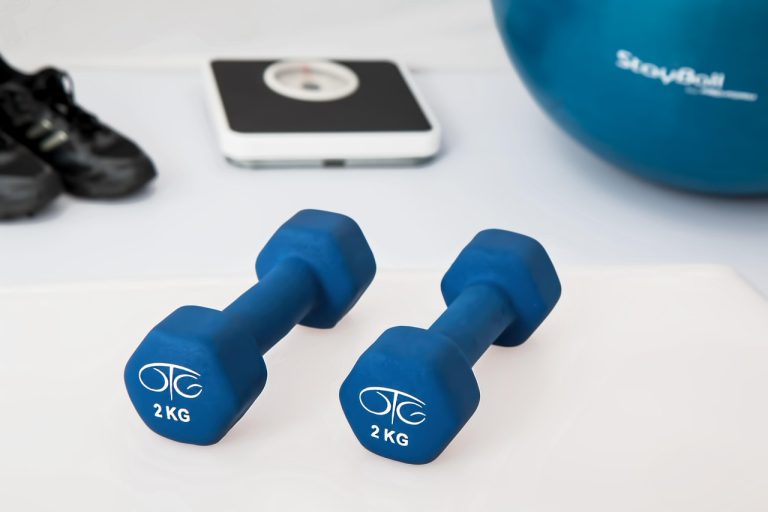
- Dumbbell Exercises: Add dumbbells gradually as you get stronger. Start with light weights (2-5 pounds).
Bicep Curls: Targets your biceps. Keep your elbows close to your body. Aim for 3 sets of 10-12 repetitions.
Overhead Press: Works your shoulders. Ensure your core is engaged and your back is straight. Aim for 3 sets of 10-12 repetitions.
The Importance of Stretching and Flexibility
Stretching improves flexibility, reduces muscle soreness, and helps prevent injuries. Incorporate stretching into your routine before and after each workout.
- Dynamic Stretching (Before Workout): Involves movement and helps prepare your muscles for exercise. Examples include arm circles, leg swings, and torso twists.
- Static Stretching (After Workout): Holding a stretch for 20-30 seconds. Examples include hamstring stretch, quadriceps stretch, and calf stretch.
- Yoga or Pilates: Excellent for improving flexibility, core strength, and balance.
Proper Form and Injury Prevention
The Critical Importance of Correct Technique
Using proper form is paramount in preventing injuries and maximizing the effectiveness of your workouts. It’s better to perform fewer repetitions with good form than many repetitions with poor form.
- Research and Watch Videos: Before attempting a new exercise, watch videos and read articles on proper form.
- Use a Mirror: Use a mirror to check your form while exercising.
- Consider a Personal Trainer: If possible, work with a qualified personal trainer to learn correct techniques and receive personalized guidance. Even a few sessions can be incredibly beneficial.
Warm-up and Cool-down
Always warm up before each workout to prepare your muscles and joints for exercise, and cool down afterwards to help your body recover.
- Warm-up: 5-10 minutes of light cardio, such as jogging in place, jumping jacks, or arm circles.
- Cool-down: 5-10 minutes of stretching and light cardio, such as walking.
Common Beginner Mistakes to Avoid
- Doing Too Much Too Soon: Gradually increase the intensity and duration of your workouts to avoid overtraining and injuries.
- Ignoring Pain: Pain is a signal that something is wrong. Stop the exercise and consult a healthcare professional if needed.
- Neglecting Rest: Rest days are crucial for muscle recovery and preventing burnout.
- Not Staying Hydrated: Drink plenty of water before, during, and after your workouts.
Staying Motivated and Consistent
Creating a Workout Schedule
Consistency is key to achieving your fitness goals. Create a workout schedule and stick to it as much as possible.
- Set Specific Days and Times: Schedule your workouts like any other important appointment.
- Prepare in Advance: Lay out your workout clothes, pack your gym bag, and plan your meals ahead of time.
- Be Flexible: Life happens. If you miss a workout, don’t beat yourself up. Just get back on track with your next scheduled session.
Finding an Accountability Partner
Working out with a friend or family member can help you stay motivated and accountable.
- Buddy System: Having someone to exercise with can make workouts more enjoyable and less likely to be skipped.
- Share Goals: Discuss your goals and progress with your accountability partner.
- Support Each Other: Offer encouragement and motivation when your partner is struggling.
Rewarding Yourself and Making it Fun
Celebrate your achievements and find ways to make your workouts enjoyable.
- Set Small Rewards: Treat yourself to a new workout outfit, a massage, or a healthy meal after reaching a milestone.
- Listen to Music or Podcasts: Create a playlist of your favorite music or listen to an engaging podcast during your workouts.
- Try New Activities: Explore different types of exercise to keep things interesting, such as hiking, dancing, or group fitness classes. Variety can prevent boredom and keep you engaged.
Nutrition for Workout Beginners
The Basics of a Balanced Diet
Proper nutrition is essential for fueling your workouts and supporting muscle growth and recovery.
- Protein: Essential for muscle repair and growth. Aim for 0.8 grams of protein per kilogram of body weight per day (or slightly more if intensely training). Good sources include lean meats, poultry, fish, eggs, beans, and tofu.
- Carbohydrates: Provide energy for your workouts. Choose complex carbohydrates like whole grains, fruits, and vegetables.
- Healthy Fats: Important for hormone production and overall health. Include sources like avocados, nuts, seeds, and olive oil.
Pre- and Post-Workout Nutrition
- Pre-Workout Meal: Eat a small meal or snack 1-2 hours before your workout to provide energy. Examples include a banana with peanut butter or a small bowl of oatmeal.
- Post-Workout Meal: Consume a meal or snack within 30-60 minutes after your workout to replenish glycogen stores and promote muscle recovery. Examples include a protein shake with fruit or a chicken breast with sweet potatoes.
The Importance of Hydration
Staying hydrated is crucial for optimal performance and recovery.
- Drink Water Throughout the Day: Aim to drink at least 8 glasses of water per day, especially before, during, and after your workouts.
- Electrolyte Drinks: Consider electrolyte drinks during longer or more intense workouts to replace lost electrolytes.
Conclusion
Embarking on a fitness journey is a marathon, not a sprint. By setting realistic goals, choosing the right workouts, prioritizing proper form, staying motivated, and focusing on nutrition, you’ll be well on your way to achieving your health and fitness goals. Remember to listen to your body, celebrate your progress, and enjoy the process. These workout tips for beginners are the foundation upon which you can build a healthier, stronger, and more confident you. Good luck!