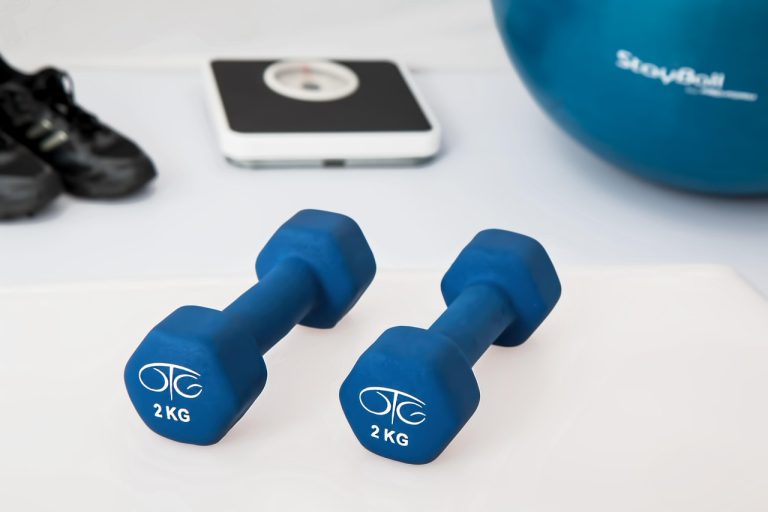
Embarking on a home fitness journey can seem daunting, but it’s one of the most rewarding investments you can make in your health and well-being. No expensive gym memberships, no crowded workout spaces – just you, your body, and the dedication to become a healthier version of yourself. This guide provides a comprehensive overview for home fitness beginners, covering everything from setting realistic goals to establishing a sustainable workout routine. Let’s transform your living room into your personal fitness sanctuary!
Getting Started: Setting Realistic Goals
Assessing Your Current Fitness Level
Before jumping into a rigorous workout plan, it’s crucial to understand your current fitness baseline. This helps you set realistic and achievable goals, preventing injuries and discouragement.
- Perform a self-assessment: Consider simple exercises like push-ups (as many as you can), sit-ups (in one minute), and a brisk walk or light jog to gauge your stamina.
- Note any limitations: Are there any pre-existing injuries or physical limitations that you need to consider? Consult with your doctor if needed.
- Track your progress: Keep a log of your initial fitness level. This will serve as a benchmark to track your improvements and stay motivated.
Defining Your Fitness Goals
Clearly defined goals are essential for maintaining motivation and tracking progress. What do you hope to achieve through home fitness?
- Weight Loss: Aim for a healthy rate of weight loss, typically 1-2 pounds per week.
- Increased Strength: Focus on progressively increasing the weight or repetitions of your strength training exercises.
- Improved Cardiovascular Health: Work towards increasing your endurance and reducing your resting heart rate.
- Enhanced Flexibility: Incorporate stretching exercises to improve your range of motion and prevent injuries.
- Example: Instead of “I want to get in shape,” try “I want to lose 10 pounds in 8 weeks and be able to run a 5k without stopping.”
Essential Home Fitness Equipment (and Alternatives)
Minimalist Equipment for Beginners
You don’t need a fully equipped gym to start your home fitness journey. In fact, you can achieve significant results with just a few essential items.
- Yoga Mat: Provides cushioning and grip for floor exercises and stretching. Prices range from $15 – $50.
- Resistance Bands: Versatile for strength training and can be used for a variety of exercises. Sets range from $10 – $30.
- Dumbbells (optional): Start with light weights (3-5 pounds) and gradually increase as you get stronger. Prices vary based on weight.
- Jump Rope: An excellent cardio tool that’s inexpensive and portable. Prices range from $5 – $20.
Utilizing Everyday Items
Don’t have equipment? No problem! You can repurpose common household items for your workouts.
- Water Bottles/Canned Goods: Use these as weights for bicep curls, tricep extensions, or shoulder presses.
- Stairs: Incorporate stair climbing for cardio and leg strength.
- Chairs: Use a sturdy chair for tricep dips or modified push-ups.
- Backpack: Fill a backpack with books or other heavy items for added resistance during squats or lunges.
Creating a Beginner-Friendly Workout Routine
Sample Weekly Workout Schedule
Consistency is key to achieving your fitness goals. A structured workout routine helps you stay on track. Here’s a sample schedule for beginners:
- Monday: Strength Training (Upper Body) – Push-ups, dumbbell rows, bicep curls, tricep dips.
- Tuesday: Cardio – Brisk walking, jogging, cycling, or dancing for 30-45 minutes.
- Wednesday: Rest or Active Recovery – Light stretching, yoga, or a leisurely walk.
- Thursday: Strength Training (Lower Body) – Squats, lunges, glute bridges, calf raises.
- Friday: Cardio – Jump rope, stair climbing, or a fitness video for 30-45 minutes.
- Saturday: Rest or Active Recovery – Stretching, foam rolling, or a relaxing activity.
- Sunday: Rest or Light Activity – Enjoy a leisurely walk or outdoor activity.
Importance of Warm-Up and Cool-Down
Always begin your workout with a warm-up and end with a cool-down to prevent injuries and promote recovery.
- Warm-Up (5-10 minutes): Light cardio (jogging in place, jumping jacks) and dynamic stretching (arm circles, leg swings).
- Cool-Down (5-10 minutes): Static stretching (holding each stretch for 30 seconds), focusing on major muscle groups.
- Example Warm-up: 2 minutes of marching in place, 2 minutes of arm circles, 2 minutes of leg swings.
- Example Cool-down: Holding hamstring stretch for 30 seconds, holding quadriceps stretch for 30 seconds, holding calf stretch for 30 seconds.
Nutrition and Hydration for Home Fitness
Fueling Your Body for Success
Exercise is only part of the equation; proper nutrition is equally important for achieving your fitness goals.
- Balanced Diet: Focus on consuming a variety of fruits, vegetables, lean proteins, and whole grains.
- Protein Intake: Aim for adequate protein intake to support muscle growth and repair (approximately 0.8 grams per kilogram of body weight).
- Limit Processed Foods: Reduce your intake of sugary drinks, processed snacks, and unhealthy fats.
- Example Meal Plan: Breakfast (Oatmeal with berries and nuts), Lunch (Grilled chicken salad), Dinner (Baked salmon with roasted vegetables).
The Importance of Hydration
Staying properly hydrated is essential for optimal performance and recovery.
- Drink Plenty of Water: Aim for at least 8 glasses of water per day, more if you’re exercising vigorously.
- Electrolyte Balance: Replenish electrolytes lost through sweat with sports drinks or electrolyte-rich foods like bananas.
- Hydrate Before, During, and After Workouts: Drink water before, during, and after your workouts to stay hydrated.
- Tip: Keep a water bottle with you throughout the day to remind yourself to drink regularly.
Staying Motivated and Avoiding Burnout
Tracking Your Progress
Monitoring your progress is a powerful motivator. Celebrate small victories and adjust your plan as needed.
- Fitness Tracker: Use a fitness tracker or app to monitor your activity levels, heart rate, and calories burned.
- Journaling: Keep a fitness journal to track your workouts, nutrition, and overall progress.
- Photos: Take before-and-after photos to visually track your body transformation.
- Regular Weigh-Ins: Weigh yourself regularly (once a week) to monitor weight loss progress.
Preventing Burnout
It’s important to listen to your body and avoid pushing yourself too hard, especially when starting.
- Rest and Recovery: Schedule rest days to allow your body to recover and rebuild muscle tissue.
- Vary Your Workouts: Avoid monotony by incorporating different exercises and activities into your routine.
- Set Realistic Goals: Avoid setting unrealistic expectations that can lead to disappointment and burnout.
- Find a Workout Buddy: Exercising with a friend or family member can help you stay motivated and accountable.
Conclusion
Starting a home fitness routine is a journey, not a destination. By setting realistic goals, creating a structured workout plan, prioritizing nutrition and hydration, and staying motivated, you can transform your health and well-being from the comfort of your own home. Remember to listen to your body, celebrate your progress, and enjoy the process. Your healthier, happier self awaits!