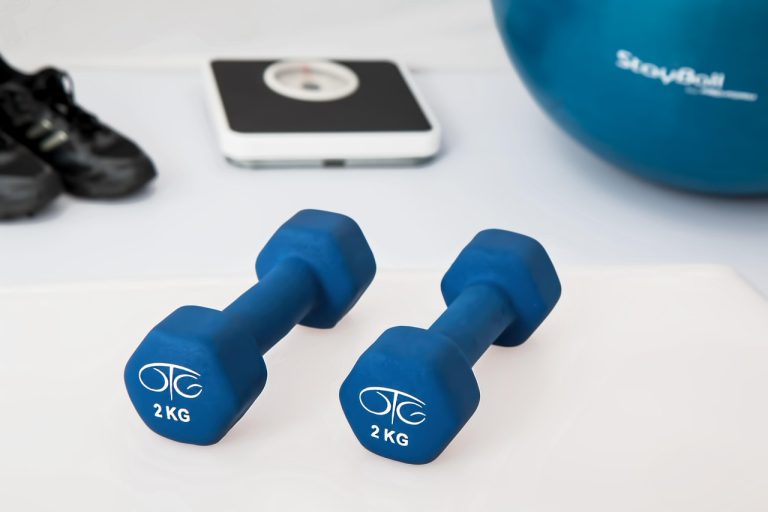
Stepping into the world of strength training can feel daunting, especially if you’re a beginner. The sheer volume of information, different exercises, and conflicting advice can easily lead to confusion. But fear not! This comprehensive guide is designed to break down the basics of beginner strength training, providing you with a clear roadmap to build a solid foundation for a stronger, healthier you. We’ll cover everything from understanding the benefits to designing your first workout program, all while ensuring you feel confident and empowered every step of the way.
Understanding the Benefits of Strength Training for Beginners
Strength training, also known as resistance training, isn’t just about building bulging muscles. It’s a powerful tool for improving overall health and well-being. For beginners, the benefits extend far beyond aesthetics.
Physical Health Benefits
- Increased Muscle Mass: Strength training stimulates muscle protein synthesis, leading to increased muscle mass. This boosts your metabolism and helps you burn more calories even at rest. As we age, we naturally lose muscle mass, so starting strength training early is crucial for maintaining strength and mobility later in life.
- Improved Bone Density: Resistance exercises put stress on your bones, signaling them to become stronger and denser. This reduces the risk of osteoporosis and fractures, especially important for women. Studies show that weight-bearing exercise can increase bone density by 1-3% per year.
- Enhanced Cardiovascular Health: While cardio often gets the spotlight for heart health, strength training can also contribute. It helps lower blood pressure, improve cholesterol levels, and increase insulin sensitivity, reducing the risk of heart disease and type 2 diabetes.
- Increased Functional Strength: Everyday activities like carrying groceries, climbing stairs, and playing with children become easier and less taxing when you have a solid foundation of strength. Strength training improves your ability to perform these tasks efficiently and safely.
Mental and Emotional Well-being
- Reduced Stress and Anxiety: Exercise, including strength training, releases endorphins, which have mood-boosting effects. It can help reduce stress, anxiety, and symptoms of depression.
- Improved Sleep Quality: Regular strength training can improve sleep quality by helping regulate your body’s natural sleep-wake cycle.
- Increased Confidence and Self-Esteem: As you see progress in your strength and physical abilities, your confidence and self-esteem will naturally increase. Overcoming challenges in the gym translates to a stronger sense of self in other areas of your life.
- Enhanced Cognitive Function: Research suggests that strength training can improve cognitive function, including memory, attention, and processing speed.
Designing Your Beginner Strength Training Program
Creating a structured program is essential for seeing results and avoiding injury. Start slowly and progressively increase the intensity as you get stronger.
Choosing the Right Exercises
- Focus on Compound Exercises: Compound exercises engage multiple muscle groups simultaneously, making them highly efficient for building overall strength and muscle mass. Examples include squats, deadlifts, bench presses, overhead presses, and rows.
- Incorporate Isolation Exercises: Isolation exercises target a single muscle group. These can be used to address specific weaknesses or imbalances. Examples include bicep curls, tricep extensions, and calf raises.
- Bodyweight Exercises: Don’t underestimate the power of bodyweight exercises, especially when starting out. They require no equipment and can be easily modified to suit your fitness level. Examples include push-ups, squats, lunges, planks, and dips (using a chair).
Example Beginner Workout:
Squats: 3 sets of 8-12 repetitions
Push-ups (on knees if needed): 3 sets of as many repetitions as possible (AMRAP)
Dumbbell Rows: 3 sets of 8-12 repetitions per arm
Overhead Press (with dumbbells or resistance band): 3 sets of 8-12 repetitions
Plank: 3 sets, holding for 30-60 seconds
Sets, Repetitions, and Rest
- Sets: A set is a group of repetitions performed consecutively without rest.
- Repetitions (Reps): A repetition is one complete execution of an exercise.
- Rest: Allow adequate rest between sets to allow your muscles to recover.
For Beginners: Aim for 2-3 sets of 8-12 repetitions for each exercise. Rest for 60-90 seconds between sets. As you get stronger, you can gradually increase the number of sets or repetitions, or reduce the rest time.
Frequency and Progression
- Frequency: Start with 2-3 strength training sessions per week, with at least one day of rest between sessions to allow your muscles to recover.
- Progression: Gradually increase the weight, resistance, or number of repetitions as you get stronger. This is known as progressive overload and is essential for continued progress.
* Example: If you can easily perform 3 sets of 12 repetitions of squats with your bodyweight, try adding dumbbells or a barbell to increase the resistance. Alternatively, you could try a more challenging variation of the squat, like a goblet squat.
Proper Form and Technique
Maintaining proper form is crucial for preventing injuries and maximizing the effectiveness of your training.
Prioritize Form Over Weight
- Master the Basics: Before adding weight, focus on mastering the correct form for each exercise. Watch videos, work with a qualified trainer, and practice in front of a mirror to ensure you’re using proper technique.
- Controlled Movements: Perform exercises with slow, controlled movements, focusing on engaging the target muscles. Avoid using momentum to swing the weight, as this can increase the risk of injury.
Common Mistakes to Avoid
- Rounding Your Back During Deadlifts or Squats: This can put excessive stress on your spine. Keep your back straight and engage your core muscles.
- Locking Your Joints: Avoid locking your elbows or knees during exercises, as this can put unnecessary strain on your joints.
- Lifting Too Much Weight Too Soon: Progress gradually, increasing the weight only when you can maintain proper form.
- Ignoring Pain: If you experience pain during an exercise, stop immediately and consult with a healthcare professional.
Seeking Professional Guidance
- Consider working with a Certified Personal Trainer: A trainer can provide personalized guidance on exercise selection, form, and program design. They can also help you identify and address any movement limitations or imbalances.
- Consult a Physical Therapist: If you have any pre-existing injuries or conditions, consult with a physical therapist before starting a strength training program.
Nutrition and Recovery
Proper nutrition and recovery are just as important as the workouts themselves. They provide the building blocks and rest your body needs to repair and rebuild muscle tissue.
Fueling Your Body
- Protein: Protein is essential for muscle growth and repair. Aim for 0.8-1 gram of protein per pound of body weight per day. Good sources of protein include lean meats, poultry, fish, eggs, dairy products, beans, lentils, and tofu.
- Carbohydrates: Carbohydrates provide energy for your workouts. Choose complex carbohydrates like whole grains, fruits, and vegetables over simple sugars and processed foods.
- Healthy Fats: Healthy fats are important for hormone production and overall health. Include sources like avocados, nuts, seeds, and olive oil in your diet.
- Hydration: Drink plenty of water throughout the day, especially before, during, and after your workouts.
The Importance of Rest and Sleep
- Adequate Sleep: Aim for 7-9 hours of sleep per night. Sleep is crucial for muscle recovery, hormone regulation, and overall health.
- Active Recovery: Incorporate active recovery days into your routine, such as light cardio, stretching, or yoga. This can help improve blood flow and reduce muscle soreness.
- Listen to Your Body: Don’t push yourself too hard, especially when starting out. Pay attention to your body’s signals and take rest days when needed.
Conclusion
Embarking on a beginner strength training journey is a rewarding investment in your health and well-being. By understanding the benefits, designing a structured program, prioritizing proper form, and focusing on nutrition and recovery, you can build a strong foundation for a healthier, more confident you. Remember to start slowly, progress gradually, and listen to your body. With consistency and dedication, you’ll be amazed at what you can achieve. Don’t hesitate to seek guidance from qualified professionals to ensure you’re on the right track and to prevent injuries. Welcome to the world of strength training – your journey to a stronger you starts now!