Physical Address
304 North Cardinal St.
Dorchester Center, MA 02124
Physical Address
304 North Cardinal St.
Dorchester Center, MA 02124


Finding time and space for a dedicated home gym can be a challenge, especially with today’s busy lifestyles and smaller living spaces. But fear not! Achieving your fitness goals is entirely possible without the need for expensive equipment or a sprawling room filled with weights. This guide will explore innovative and effective home gym alternatives that can help you stay fit and healthy, regardless of your budget or available space.
Bodyweight training is arguably the most accessible and versatile home gym alternative. Requiring no equipment whatsoever, it harnesses the power of your own body weight to build strength, endurance, and flexibility. It’s a fantastic starting point for beginners and a challenging option for advanced fitness enthusiasts.
Calisthenics involves rhythmic exercises designed to increase body strength and flexibility using your body weight. Common calisthenic exercises include push-ups, squats, lunges, planks, and pull-ups (if you have a bar).
Improves strength and endurance
Enhances flexibility and mobility
Can be done anywhere, anytime
Cost-effective (requires no equipment)
Reduces risk of injury due to controlled movements
Warm-up: 5 minutes of jumping jacks and arm circles
Workout:
3 sets of 10-12 push-ups
3 sets of 15-20 squats
3 sets of 10-12 lunges per leg
3 sets of plank (hold for 30-60 seconds)
Cool-down: 5 minutes of stretching
To keep bodyweight training challenging and effective, it’s crucial to progressively increase the difficulty. This can be achieved by:
Resistance bands are an incredibly affordable and versatile alternative to traditional weights. They come in varying resistance levels, allowing you to tailor your workouts to your fitness level and target specific muscle groups. Their compact size makes them perfect for small spaces and travel.
Resistance bands can be used for a wide range of exercises, mimicking those performed with free weights.
Bicep curls
Tricep extensions
Lateral raises
Squats
Rows
Glute bridges
Affordable and accessible
Portable and space-saving
Provide variable resistance, challenging muscles throughout the range of motion
Reduce joint stress compared to heavy weights
When designing a resistance band workout, focus on using appropriate resistance levels and proper form. Aim for 2-3 sets of 10-15 repetitions for each exercise. Remember to adjust the resistance as you get stronger. Many online resources and apps offer resistance band workout routines for various fitness levels.
Take advantage of your local parks, trails, and playgrounds to create an outdoor fitness experience. Outdoor workouts not only provide physical benefits but also boost mental well-being by exposing you to fresh air and sunlight.
A simple park bench can be transformed into a versatile workout station.
Bench dips for triceps
Incline push-ups
Step-ups for legs and glutes
Decline sit-ups for core
Running or hiking on trails provides a challenging cardiovascular workout while engaging multiple muscle groups. The uneven terrain requires more effort than running on a flat surface, improving balance and coordination.
Start with shorter, less challenging trails
Wear appropriate footwear with good ankle support
Bring water and snacks
Be aware of your surroundings
Don’t underestimate the fitness potential of a playground! Swings, monkey bars, and climbing structures can be used for bodyweight exercises.
Pull-ups on the monkey bars
Swing planks for core strength
Step-ups on benches or platforms
Dance and yoga offer excellent alternatives to traditional gym workouts, promoting cardiovascular health, flexibility, and mental well-being. They require minimal equipment and can be easily done at home using online classes or DVDs.
Dance fitness classes like Zumba, Salsa, or Hip-Hop Cardio provide a fun and engaging way to burn calories and improve cardiovascular health.
Burns calories and promotes weight loss
Improves cardiovascular health
Enhances coordination and rhythm
Reduces stress and boosts mood
Online dance fitness classes (YouTube, subscription platforms)
Dance workout DVDs
Virtual reality dance games
Yoga and Pilates focus on building strength, flexibility, and balance through controlled movements and mindful breathing.
Increases flexibility and range of motion
Strengthens core muscles
Reduces stress and promotes relaxation
Improves posture and balance
Yoga mat (optional)
Yoga blocks (optional, for added support)
Begin with beginner-level classes or videos
Focus on proper form and alignment
* Listen to your body and avoid pushing yourself too hard
Look around your home – you might be surprised at the potential gym equipment you already possess! With a little creativity, household items can be repurposed for effective workouts.
Use filled water bottles or canned goods as makeshift weights for exercises like bicep curls, lateral raises, and overhead presses. Adjust the weight by changing the size of the water bottle or the type of canned good.
A towel can be used for resistance exercises, particularly those that target the upper body. For example, you can perform towel rows by pulling on a tightly held towel against resistance from your hands.
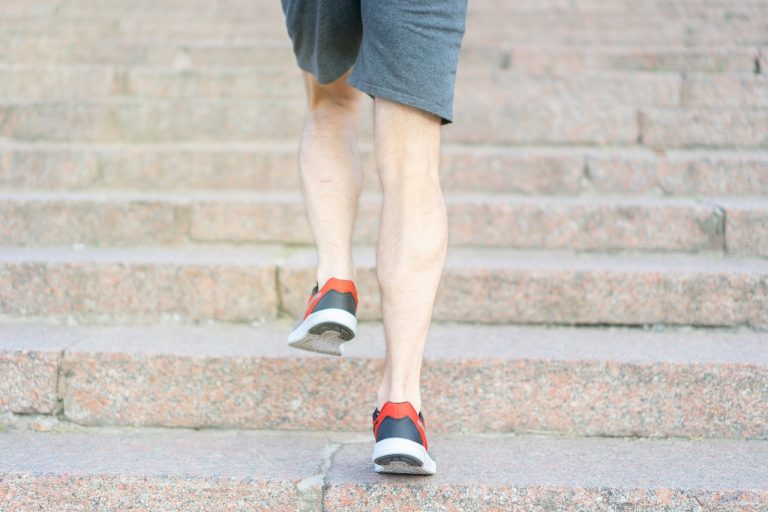
A sturdy chair can be used for tricep dips or step-ups. Stairs can be used for cardio intervals or incline push-ups. Always prioritize safety and ensure that the equipment is stable and secure.
Maintaining a healthy and active lifestyle doesn’t require a fancy home gym. By exploring these home gym alternatives, you can achieve your fitness goals without breaking the bank or sacrificing valuable space. Whether it’s embracing bodyweight training, utilizing resistance bands, exploring outdoor spaces, or repurposing household items, there’s a fitness solution for everyone. The key is to find activities you enjoy and that fit seamlessly into your lifestyle. So, get creative, stay consistent, and enjoy the journey to a healthier, fitter you!