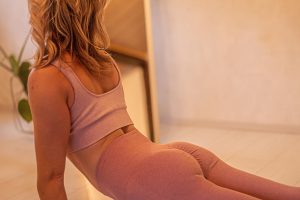
Transforming your living room into a personal fitness studio has never been easier. With the right home workout planner, you can ditch the expensive gym memberships and crowded fitness classes, crafting a personalized program that fits your schedule, budget, and fitness goals. This guide will provide you with the insights and tools needed to create an effective and sustainable home workout plan.
Why You Need a Home Workout Planner
Benefits of Planning Your Home Workouts
A structured workout plan is the backbone of any successful fitness journey. Winging it might work for a session or two, but consistency requires a well-thought-out approach. Here’s why:
- Increased Consistency: Scheduled workouts become non-negotiable appointments with yourself.
- Goal Tracking: A planner allows you to track progress, monitor milestones, and stay motivated.
- Reduced Risk of Overtraining: Planning ensures adequate rest and recovery days, preventing burnout and injuries.
- Improved Focus: Knowing exactly what you’re doing each day eliminates decision fatigue and maximizes workout efficiency.
- Enhanced Results: A structured approach leads to better overall fitness improvements by progressively overloading muscles.
- Time Efficiency: You’ll spend less time figuring out what to do and more time actually working out.
Understanding Your Fitness Goals
Before diving into exercises, pinpoint your objectives. Are you aiming to:
- Lose weight? Focus on calorie-burning activities like HIIT and cardio.
- Build muscle? Prioritize strength training with resistance exercises.
- Improve cardiovascular health? Incorporate activities like running, cycling, or swimming. (Can be done at home with videos)
- Increase flexibility? Emphasize stretching and yoga.
- Enhance overall fitness? Combine elements from each category.
Knowing your “why” will guide your exercise selection and intensity. Remember to set SMART goals: Specific, Measurable, Achievable, Relevant, and Time-bound.
Designing Your Workout Schedule
Determining Your Workout Frequency and Duration
The optimal workout frequency depends on your fitness level, goals, and availability.
- Beginners: Start with 2-3 workouts per week, allowing for ample recovery. Aim for 30-45 minute sessions.
- Intermediate: Increase to 3-4 workouts per week with varying intensities. Sessions can last 45-60 minutes.
- Advanced: Consider 4-6 workouts per week with advanced techniques. Sessions may extend to 60-90 minutes.
Remember, quality over quantity. Focus on proper form and controlled movements, especially when working out alone.
Choosing the Right Exercises
Your exercise selection should align with your fitness goals and available equipment.
- Bodyweight exercises: Push-ups, squats, lunges, planks, burpees, and crunches. These require no equipment and are excellent for building strength and endurance.
- Resistance band exercises: Bicep curls, tricep extensions, lateral raises, and leg extensions. Resistance bands are affordable and versatile, offering a full-body workout.
- Dumbbell exercises: Bench press, shoulder press, rows, deadlifts, and lunges. Dumbbells provide a progressive overload challenge for muscle growth.
- Cardio: Jumping jacks, high knees, burpees, and stair climbing. Boost cardiovascular health and burn calories without leaving your home. Many online videos are available for cardio and dance workouts.
- Yoga and Pilates: Enhance flexibility, core strength, and balance. These can be easily followed using online tutorials.
Example Schedule (Intermediate – 3 workouts/week):
- Monday: Full Body Strength (Dumbbells & Bodyweight) – 45 minutes
- Wednesday: HIIT Cardio – 30 minutes
- Friday: Yoga & Flexibility – 45 minutes
Structuring Individual Workouts
Each workout should include:
- Warm-up (5-10 minutes): Light cardio and dynamic stretches like arm circles, leg swings, and torso twists. Prepares your muscles for exercise.
- Workout (20-60 minutes): The main portion of your workout, focusing on chosen exercises and sets/reps.
- Cool-down (5-10 minutes): Static stretches like holding hamstring stretches, quad stretches, and shoulder stretches. Promotes recovery and reduces muscle soreness.
A sample strength training workout:
Squats: 3 sets of 10-12 reps
Push-ups: 3 sets of as many reps as possible (AMRAP)
Dumbbell Rows: 3 sets of 10-12 reps per arm
Plank: 3 sets, holding for 30-60 seconds each.
Lunges: 3 sets of 10-12 reps per leg.
Tools and Resources for Planning
Workout Apps and Websites
Numerous apps and websites can help you create and track your home workouts:
- Fitbit: Tracks activity levels, sleep, and provides workout suggestions.
- MyFitnessPal: Tracks nutrition and integrates with workout apps.
- Nike Training Club: Offers a wide variety of workouts led by Nike trainers.
- Peloton App: Provides access to live and on-demand fitness classes (subscription required).
- Jefit: Focuses on strength training with customizable workout routines.
Creating a Physical Workout Journal
Sometimes, a physical journal is more effective than digital tools.
- Benefits: Disconnect from screens, handwritten notes provide a tactile connection, and you can easily flip back and review previous workouts.
- Include: Date, workout type, exercises performed, sets, reps, weight used (if applicable), and any notes about how you felt or improvements made.
Utilizing Online Workout Videos
YouTube and other platforms are treasure troves of free workout content.
- Search tips: Use specific keywords like “beginner bodyweight workout,” “30-minute HIIT,” or “yoga for flexibility.”
- Choose: Instructors with clear instructions and good form demonstrations.
- Be cautious: Ensure the workout is appropriate for your fitness level and any physical limitations.
Staying Motivated and Consistent
Tracking Your Progress
Regularly monitor your progress to stay motivated.
- Measure: Weight, body measurements, strength improvements (e.g., lifting heavier weights or doing more reps), and endurance gains (e.g., running further or faster).
- Use: A fitness tracker, measuring tape, scale, and workout journal to record your progress.
- Celebrate: Milestones, no matter how small. Acknowledge your hard work and reward yourself (with non-food items!) for reaching goals.
Setting Realistic Expectations
Don’t expect overnight results. Fitness is a journey, not a destination.
- Focus: On small, incremental improvements over time.
- Be patient: Changes take time, so don’t get discouraged if you don’t see results immediately.
- Consistency: Is key. Stick to your plan even when you don’t feel like it.
Finding an Accountability Partner
Working out with a friend or family member can boost motivation and adherence.
- Schedule: Workouts together, either in person or virtually.
- Share: Your goals and progress with each other.
- Provide: Support and encouragement.
Conclusion
Crafting a successful home workout planner is about more than just listing exercises. It’s about understanding your goals, structuring your schedule, utilizing available resources, and staying motivated. By implementing the strategies outlined in this guide, you can transform your home into a personal fitness haven and achieve your fitness aspirations. Remember to listen to your body, adjust your plan as needed, and most importantly, enjoy the process.