Physical Address
304 North Cardinal St.
Dorchester Center, MA 02124
Physical Address
304 North Cardinal St.
Dorchester Center, MA 02124


Working out is more than just a way to sculpt your physique; it’s an investment in your long-term health and well-being. Whether you’re a seasoned athlete or a complete beginner, understanding the fundamentals of how to workout effectively can unlock a world of benefits, from increased energy levels and improved mood to reduced risk of chronic diseases. This guide will walk you through the essential elements of creating a workout routine that’s tailored to your needs and helps you achieve your fitness goals.
Before you even lace up your sneakers, it’s crucial to define your fitness goals. This clarity will guide your workout choices and keep you motivated. Without a clear objective, your efforts can become scattered and less effective. Studies have shown that individuals with specific, measurable goals are more likely to succeed in their fitness journeys.
Weight loss (e.g., lose 10 pounds in 2 months)
Muscle gain (e.g., increase bench press by 20 pounds)
Improved cardiovascular health (e.g., run a 5k in under 30 minutes)
Increased flexibility (e.g., touch your toes comfortably)
Enhanced overall fitness (e.g., improve energy levels and stamina)
A helpful tool for defining goals is the SMART framework:
Cardio workouts improve your heart health and endurance. They involve activities that elevate your heart rate and breathing. The American Heart Association recommends at least 150 minutes of moderate-intensity cardio or 75 minutes of vigorous-intensity cardio per week.
Running: Great for burning calories and improving cardiovascular health. Start with walking intervals if you’re new to running.
Swimming: Low-impact and works the entire body. A great option for people with joint pain.
Cycling: Can be done indoors or outdoors. Adjust the resistance to vary the intensity.
Dancing: A fun and social way to get your heart rate up.
Jumping Rope: A simple but effective workout that can be done anywhere.
Strength training builds muscle mass and increases strength. It involves using resistance to challenge your muscles.
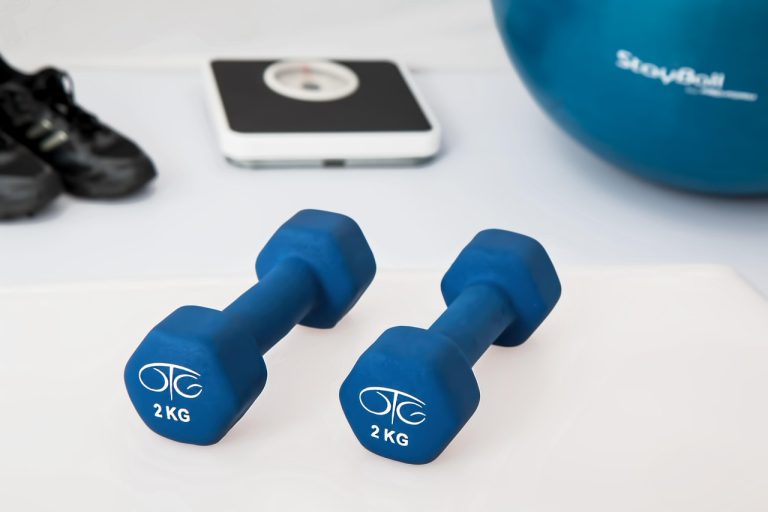
Weightlifting: Using dumbbells, barbells, or machines to lift weights. Focus on proper form to avoid injury.
Bodyweight Exercises: Using your own body weight as resistance. Examples include push-ups, squats, lunges, and planks.
Resistance Bands: Portable and versatile tools that provide resistance. Great for home workouts.
Flexibility and mobility exercises improve your range of motion and reduce the risk of injury.
Stretching: Holding a stretch for 30 seconds to improve muscle length. Important to stretch after workouts.
Yoga: Combines stretching, breathing, and mindfulness. Improves flexibility, strength, and balance.
Pilates: Focuses on core strength and control. Improves posture and stability.
Foam Rolling: Self-massage technique to release muscle tension.
Before starting any workout plan, it’s important to assess your current fitness level. This will help you determine the appropriate intensity and duration of your workouts.
Cardiovascular Fitness: Measure how long it takes you to walk or run a mile. Check your resting heart rate.
Strength: Determine how many push-ups or squats you can do with good form.
Flexibility: Assess your range of motion in different joints. Can you touch your toes?
Body Composition: Measure your body fat percentage and calculate your BMI (Body Mass Index).
A balanced workout routine should include a combination of cardio, strength training, and flexibility exercises. Aim for at least 30 minutes of moderate-intensity exercise most days of the week.
Monday: Strength Training (Upper Body)
Tuesday: Cardio (Running or Cycling)
Wednesday: Rest or Active Recovery (Yoga or Stretching)
Thursday: Strength Training (Lower Body)
Friday: Cardio (Swimming or Dancing)
Saturday: Active Recovery (Hiking or Walking)
Sunday: Rest
To continue seeing results, it’s essential to progressively overload your muscles. This means gradually increasing the intensity, duration, or frequency of your workouts over time.
Increase the weight you lift.
Increase the number of repetitions or sets.
Increase the duration of your cardio workouts.
Decrease the rest time between sets.
Try more challenging exercises.
Nutrition plays a crucial role in your fitness journey. Eating a healthy diet provides your body with the energy and nutrients it needs to perform at its best and recover effectively.
Eat a balanced diet with plenty of fruits, vegetables, lean protein, and whole grains.
Stay hydrated by drinking plenty of water.
Consume protein after workouts to help repair and rebuild muscle tissue.
Avoid processed foods, sugary drinks, and excessive amounts of saturated and unhealthy fats.
Rest and recovery are just as important as working out. Your muscles need time to repair and rebuild after exercise. Aim for 7-9 hours of sleep per night.
Sleep: Prioritize getting enough sleep to allow your body to recover.
Active Recovery: Engage in low-intensity activities like walking or stretching on your rest days.
Nutrition: Eat a balanced diet to provide your body with the nutrients it needs to recover.
Massage: Get a massage to help reduce muscle tension and improve circulation.
Foam Rolling: Use a foam roller to self-massage your muscles and release tension.
It’s important to listen to your body and take rest days when needed. Pushing yourself too hard can lead to injuries and burnout. Pay attention to signs of overtraining, such as fatigue, muscle soreness, and decreased performance.
The key to long-term fitness success is finding activities you enjoy. If you dread your workouts, you’re less likely to stick with them.
Experiment with different types of workouts.
Join a gym or fitness class.
Find a workout buddy to exercise with.
Listen to music or podcasts while you work out.
Reward yourself for reaching your fitness goals (but not with food!).
Tracking your progress can help you stay motivated and see how far you’ve come.
Keep a workout journal.
Use a fitness tracker or app.
Take progress photos.
Measure your body weight and body fat percentage.
Track your performance on specific exercises.
Everyone faces challenges on their fitness journey. It’s important to have strategies for overcoming these obstacles.
Lack of Time: Schedule your workouts in advance and treat them like appointments. Try shorter, more intense workouts.
Lack of Motivation: Set realistic goals, find a workout buddy, and reward yourself for reaching your milestones.
Injuries: Rest and recover properly. Consult with a healthcare professional if you experience pain.
Plateaus: Change up your workout routine to challenge your muscles in new ways.
Embarking on a workout journey is a commitment to a healthier, happier you. By defining clear goals, understanding different workout types, creating a balanced plan, prioritizing nutrition and recovery, and staying motivated, you can achieve your fitness aspirations. Remember that consistency is key, and every small step you take brings you closer to your goals. Don’t be afraid to experiment, adapt, and find what works best for your unique needs and preferences. Embrace the process and enjoy the transformative power of exercise!