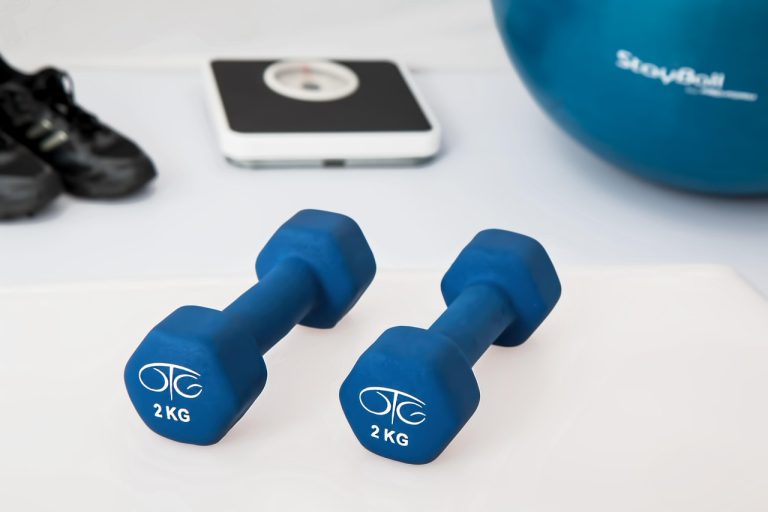
Jumping into a fitness routine can feel overwhelming. Where do you even begin? This fitness checklist is designed to be your comprehensive guide, breaking down the essential elements needed to kickstart and maintain a healthy and effective fitness journey. From setting realistic goals to tracking your progress, this resource will provide you with the tools and knowledge you need to succeed.
Setting Realistic Fitness Goals
Defining Your “Why”
- Identify Your Motivation: Ask yourself why you want to get fit. Is it for weight loss, improved energy levels, better sleep, stress reduction, or simply to feel healthier? Knowing your “why” provides a strong foundation for commitment.
- Write It Down: Physically write down your reasons. Seeing them on paper reinforces your goals and serves as a reminder when motivation wanes. For example, “I want to improve my energy levels so I can play with my kids without feeling exhausted.”
SMART Goal Setting
- Specific: Your goals should be clear and precise. Instead of “I want to lose weight,” aim for “I want to lose 10 pounds.”
- Measurable: Track your progress. How will you know you’re achieving your goal? Define quantifiable metrics. Examples include tracking weight, body fat percentage, mile time, or the number of push-ups you can do.
- Achievable: Be realistic about what you can accomplish. Don’t set yourself up for failure with unrealistic expectations. Losing 1-2 pounds per week is a healthy and achievable target.
- Relevant: Ensure your goals align with your values and overall lifestyle. If you despise running, don’t set a goal of running a marathon. Choose activities you enjoy.
- Time-Bound: Set a deadline for achieving your goals. “I want to lose 10 pounds in 10 weeks” is a much more effective goal than simply “I want to lose weight.”
Breaking Down Large Goals
- Smaller, Manageable Steps: Break down large, daunting goals into smaller, more manageable steps. This makes the process less overwhelming and provides a sense of accomplishment as you achieve each milestone.
- Example: If your goal is to run a 5k, start by walking for 30 minutes three times a week. Gradually increase the duration and intensity of your walks, and then introduce short intervals of running.
Creating a Balanced Workout Routine
Cardio
- Benefits: Improves cardiovascular health, burns calories, boosts mood, and reduces the risk of chronic diseases. The American Heart Association recommends at least 150 minutes of moderate-intensity aerobic activity or 75 minutes of vigorous-intensity activity per week.
- Examples: Running, swimming, cycling, dancing, brisk walking, and HIIT workouts.
- Choosing the Right Activity: Select activities you enjoy to increase adherence. Consider factors like accessibility, cost, and personal preference.
Strength Training
- Benefits: Builds muscle mass, strengthens bones, improves metabolism, increases strength and endurance, and enhances overall physical function.
- Examples: Lifting weights, using resistance bands, bodyweight exercises (push-ups, squats, lunges), and functional training.
- Frequency: Aim for at least two strength training sessions per week, targeting all major muscle groups (legs, back, chest, shoulders, arms, and core).
- Proper Form: Prioritize proper form over lifting heavy weights to prevent injuries. Consider working with a certified personal trainer to learn correct techniques.
Flexibility and Mobility
- Benefits: Improves range of motion, reduces muscle soreness, prevents injuries, enhances posture, and promotes relaxation.
- Examples: Stretching, yoga, Pilates, foam rolling, and dynamic warm-ups.
- Frequency: Incorporate flexibility and mobility exercises into your routine several times a week, or even daily.
- Timing: Stretching is often best done after a workout when muscles are warm.
Fueling Your Body for Success
Macronutrients
- Protein: Essential for muscle repair and growth. Aim for 0.8-1 gram of protein per pound of body weight, especially if you’re engaging in strength training. Examples include lean meats, poultry, fish, eggs, beans, lentils, and tofu.
- Carbohydrates: Provide energy for workouts and daily activities. Choose complex carbohydrates over simple sugars. Examples include whole grains, fruits, vegetables, and legumes.
- Fats: Important for hormone production, nutrient absorption, and overall health. Focus on healthy fats like avocados, nuts, seeds, olive oil, and fatty fish.
Hydration
- Importance: Water is crucial for optimal performance, recovery, and overall health. Dehydration can lead to fatigue, muscle cramps, and decreased performance.
- Recommendation: Aim to drink at least half your body weight in ounces of water per day. Increase your water intake during and after workouts.
Meal Timing
- Pre-Workout: Consume a carbohydrate-rich snack or meal about 1-2 hours before your workout to provide energy.
- Post-Workout: Replenish glycogen stores and repair muscle tissue by consuming a combination of protein and carbohydrates within 30-60 minutes after your workout.
Tracking Your Progress and Staying Motivated
Using a Fitness Tracker or Journal
- Record Workouts: Track your workouts, including the type of exercise, duration, intensity, weight lifted, and number of repetitions.
- Monitor Nutrition: Keep a food diary to monitor your calorie intake, macronutrient ratios, and food choices.
- Track Measurements: Regularly measure your weight, body fat percentage, and circumference measurements to monitor your progress.
- Reflect on Your Progress: Use your fitness tracker or journal to reflect on your progress, identify areas for improvement, and celebrate your successes.
Finding an Accountability Partner
- Shared Goals: Find someone who shares similar fitness goals and interests.
- Mutual Support: Support each other’s progress, provide encouragement, and hold each other accountable.
- Regular Check-ins: Schedule regular check-ins to discuss your progress, challenges, and goals.
Rewarding Yourself (Healthily)
- Non-Food Rewards: Reward yourself for achieving milestones with non-food rewards, such as a new workout outfit, a massage, or a relaxing activity.
- Avoid Using Food as a Reward: Avoid using unhealthy food as a reward, as this can undermine your progress and reinforce unhealthy eating habits.
Conclusion
Building a sustainable fitness routine is a journey, not a destination. By using this comprehensive fitness checklist, you can set realistic goals, create a balanced workout routine, fuel your body for success, and track your progress effectively. Remember to listen to your body, be patient with yourself, and celebrate your achievements along the way. Consistency and commitment are key to long-term success, so stay focused on your goals and enjoy the process of becoming a healthier and fitter you!