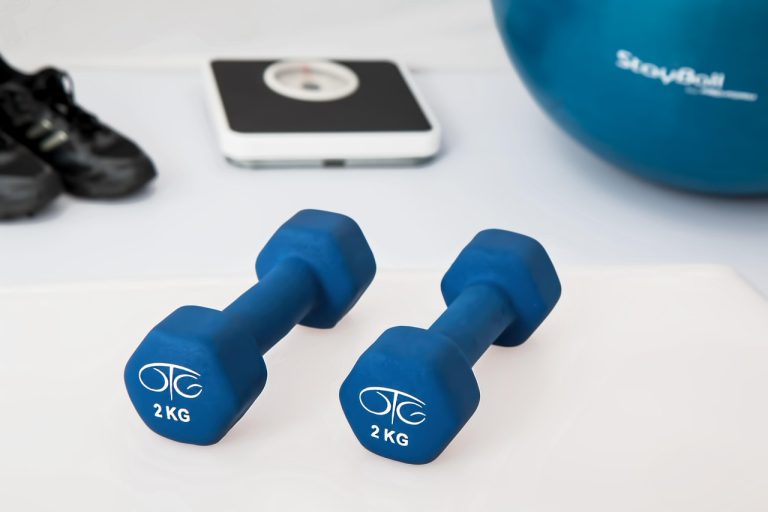
Stepping into the world of fitness can feel overwhelming, filled with jargon and seemingly impossible goals. But it doesn’t have to be! Establishing a solid foundation in fitness basics is key to achieving sustainable results and a healthier, happier you. This guide breaks down essential elements, offering practical advice and actionable steps to kickstart your fitness journey.
Understanding the Core Principles of Fitness
Defining Fitness: It’s More Than Just Abs
Fitness is a broad term that encompasses more than just physical appearance. It’s about your overall well-being, including your physical, mental, and emotional health. Key components of fitness include:
- Cardiovascular Endurance: The ability of your heart and lungs to efficiently deliver oxygen to working muscles over a sustained period.
- Muscular Strength: The amount of force your muscles can exert.
- Muscular Endurance: The ability of your muscles to repeatedly exert force over a period of time.
- Flexibility: The range of motion around your joints.
- Body Composition: The proportion of muscle, fat, bone, and other tissues in your body.
Setting Realistic Fitness Goals
Before diving into workouts, it’s crucial to define your goals. Are you aiming to lose weight, build muscle, improve your cardiovascular health, or simply increase your overall energy levels?
- Be Specific: Instead of “I want to lose weight,” try “I want to lose 1-2 pounds per week.”
- Make it Measurable: Track your progress using a food journal, weigh-ins, or body measurements.
- Ensure it’s Attainable: Start with small, achievable goals that you can consistently accomplish.
- Keep it Relevant: Your goals should align with your values and overall health objectives.
- Time-Bound: Set a deadline for achieving your goals. For example, “I want to lose 10 pounds in 2 months.”
Cardio: Elevating Your Heart Health
The Benefits of Cardiovascular Exercise
Cardio is a fantastic way to improve your heart health, burn calories, and boost your energy levels. Some key benefits include:
- Improved cardiovascular health, reducing the risk of heart disease, stroke, and diabetes.
- Weight management and calorie burning. Harvard Health estimates that a 155-pound person can burn approximately 260 calories in 30 minutes of moderate-intensity walking.
- Increased energy levels and improved mood.
- Better sleep quality.
- Strengthened immune system.
Types of Cardio Exercises
There’s a cardio activity for everyone. Experiment to find what you enjoy!
- Walking: A low-impact option, ideal for beginners. Aim for at least 30 minutes of brisk walking most days of the week.
- Running: A more intense option that burns more calories. Start slowly and gradually increase your distance and intensity.
- Cycling: A great way to improve leg strength and cardiovascular endurance.
- Swimming: A full-body workout that’s easy on the joints.
- Dancing: A fun and engaging way to get your heart rate up.
Incorporating Cardio into Your Routine
- Start Slowly: If you’re new to cardio, begin with short sessions and gradually increase the duration and intensity.
- Find an Activity You Enjoy: You’re more likely to stick with a routine if you find it enjoyable.
- Listen to Your Body: Don’t push yourself too hard, especially when you’re starting out. Rest when you need to.
- Warm-Up and Cool-Down: Always warm up before cardio and cool down afterward to prevent injuries.
Strength Training: Building a Stronger You
Why Strength Training Matters
Strength training is essential for building and maintaining muscle mass, improving bone density, and boosting your metabolism.
- Increased Muscle Mass: Muscle burns more calories at rest than fat, helping you maintain a healthy weight.
- Improved Bone Density: Strength training can help prevent osteoporosis, especially in women.
- Enhanced Metabolism: Muscle tissue increases your resting metabolic rate, allowing you to burn more calories even when you’re not exercising.
- Improved Functional Strength: Makes everyday tasks easier, such as lifting groceries or climbing stairs.
- Injury Prevention: Stronger muscles provide support and stability to your joints, reducing the risk of injuries.
Essential Strength Training Exercises
Focus on compound exercises that work multiple muscle groups simultaneously.
- Squats: Work your quads, hamstrings, and glutes.
Example: Stand with your feet shoulder-width apart, lower your hips as if sitting in a chair, and keep your back straight.
- Push-Ups: Work your chest, shoulders, and triceps.
Example: Start in a plank position, lower your body until your chest nearly touches the floor, and push back up.
- Lunges: Work your quads, hamstrings, and glutes.
Example: Step forward with one leg, lower your body until both knees are bent at 90 degrees, and push back up.
- Rows: Work your back and biceps.
Example: Use dumbbells, resistance bands, or a rowing machine to pull weight towards your chest while keeping your back straight.
- Plank: Strengthens your core.
Example: Hold a straight line from head to heels, engaging your core muscles.
Getting Started with Strength Training
- Start with Bodyweight Exercises: Master basic movements before adding weights.
- Focus on Proper Form: Prioritize proper form over lifting heavy weights to prevent injuries.
- Gradually Increase Weight: As you get stronger, gradually increase the weight you lift.
- Rest and Recovery: Allow your muscles to recover between workouts. Aim for 1-2 rest days per week.
Nutrition: Fueling Your Fitness Journey
The Importance of a Balanced Diet
Nutrition is a critical component of fitness. What you eat directly impacts your energy levels, muscle growth, and overall health.
- Macronutrients: Focus on consuming adequate amounts of protein, carbohydrates, and healthy fats.
Protein: Essential for muscle repair and growth. Examples include lean meats, poultry, fish, eggs, beans, and lentils.
Carbohydrates: Provide energy for your workouts. Choose complex carbohydrates like whole grains, fruits, and vegetables.
Healthy Fats: Important for hormone production and overall health. Examples include avocados, nuts, seeds, and olive oil.
- Micronutrients: Ensure you’re getting enough vitamins and minerals.
Fruits and Vegetables: Rich in vitamins, minerals, and antioxidants.
- Hydration: Drink plenty of water throughout the day to stay hydrated.
Sample Meal Plan
This is a sample meal plan and needs to be adapted to individual needs and caloric requirements.
- Breakfast: Oatmeal with berries and nuts, or a protein smoothie.
- Lunch: Salad with grilled chicken or fish, or a whole-wheat wrap with hummus and vegetables.
- Dinner: Baked salmon with roasted vegetables, or a lean protein with brown rice and steamed broccoli.
- Snacks: Fruits, vegetables with hummus, Greek yogurt, or a handful of nuts.
Healthy Eating Habits
- Plan Your Meals: Prepare your meals in advance to avoid unhealthy choices.
- Read Food Labels: Pay attention to portion sizes, calories, and nutrient content.
- Limit Processed Foods: Avoid foods high in sugar, salt, and unhealthy fats.
- Stay Hydrated: Drink plenty of water throughout the day.
Flexibility and Recovery: The Often-Overlooked Essentials
The Role of Flexibility
Flexibility is crucial for maintaining a full range of motion, preventing injuries, and improving athletic performance.
- Increased Range of Motion: Allows you to move more freely and efficiently.
- Reduced Risk of Injuries: Flexible muscles are less prone to strains and tears.
- Improved Posture: Helps to maintain proper alignment of your body.
- Stress Reduction: Stretching can help to release tension and reduce stress.
Effective Stretching Techniques
- Static Stretching: Holding a stretch for 15-30 seconds. Best done after a workout when your muscles are warm.
- Dynamic Stretching: Moving through a range of motion. Best done before a workout to prepare your muscles.
Examples: Arm circles, leg swings, torso twists.
- Foam Rolling: Using a foam roller to release muscle tension.
Prioritizing Recovery
Recovery is just as important as exercise. It allows your muscles to repair and rebuild.
- Sleep: Aim for 7-9 hours of sleep per night.
- Nutrition: Consume adequate protein and carbohydrates to fuel muscle recovery.
- Active Recovery: Engage in light activities, such as walking or stretching, on rest days.
- Rest Days: Allow your body to fully recover by taking 1-2 rest days per week.
Conclusion
Embarking on a fitness journey is an investment in your overall health and well-being. By understanding the core principles of fitness, incorporating cardio and strength training, prioritizing nutrition, and emphasizing flexibility and recovery, you can establish a solid foundation for achieving your fitness goals. Remember to start slowly, listen to your body, and celebrate your progress along the way. Consistency and patience are key to creating lasting, positive changes in your life.