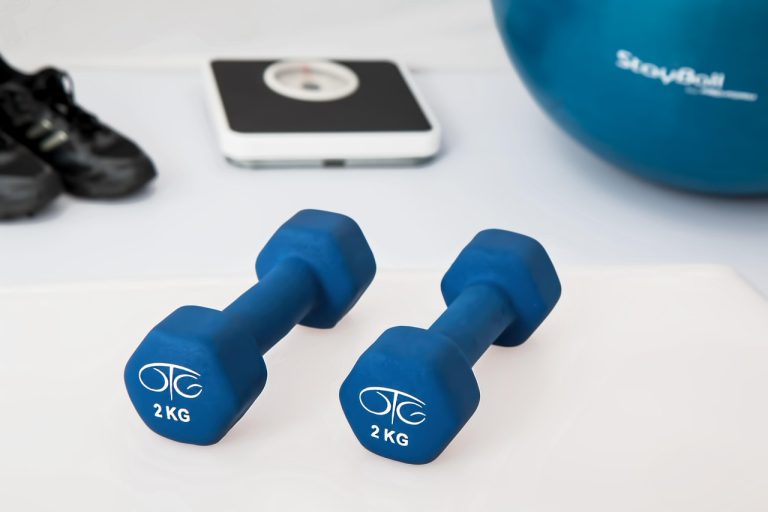
Stepping into the world of fitness can feel daunting, but it doesn’t have to be! Starting a fitness journey is about building sustainable habits and celebrating small victories along the way. This comprehensive guide provides a beginner fitness plan designed to ease you into a healthier lifestyle, focusing on building a solid foundation for long-term success. We’ll cover everything from setting realistic goals to choosing the right exercises and staying motivated. Get ready to transform your well-being!
Setting Realistic Fitness Goals
Embarking on a fitness journey without clear goals is like setting sail without a destination. Having well-defined, achievable goals is crucial for motivation and tracking progress.
Defining SMART Goals
- Specific: What exactly do you want to achieve? Instead of “get in shape,” aim for “lose 5 pounds” or “run a 5k.”
- Measurable: How will you track your progress? Use a scale, measuring tape, or fitness tracker.
- Achievable: Is your goal realistic given your current fitness level and time commitment?
- Relevant: Does your goal align with your overall health and wellness aspirations?
- Time-bound: When do you want to achieve your goal by? “Lose 5 pounds in 6 weeks” is a time-bound goal.
- Example: A good SMART goal might be: “I will walk for 30 minutes, 3 times a week, for the next month to improve my cardiovascular health.”
Assessing Your Current Fitness Level
Before diving in, it’s important to understand your starting point. A simple self-assessment can provide valuable insights.
- Cardiovascular Endurance: How long can you walk or jog without feeling overly winded?
- Strength: How many push-ups or squats can you perform with good form?
- Flexibility: How easily can you touch your toes or perform basic stretches?
Consider consulting with a healthcare professional or certified fitness trainer for a more in-depth assessment.
Tracking Your Progress
- Fitness Journal: Record your workouts, including exercises, sets, reps, and how you felt.
- Progress Photos: Take photos regularly to visually track changes in your physique.
- Measurements: Track changes in your weight, waist circumference, and other relevant measurements.
- Fitness Apps: Utilize apps like MyFitnessPal, Strava, or Fitbit to monitor activity and nutrition.
Building Your Beginner Workout Routine
A well-rounded beginner workout routine should incorporate cardiovascular exercise, strength training, and flexibility exercises.
Cardiovascular Exercise
Cardio is essential for heart health, calorie burning, and overall fitness. Start slowly and gradually increase the intensity and duration.
- Walking: A simple and accessible activity. Aim for 30 minutes of brisk walking most days of the week.
- Jogging: Gradually transition from walking to jogging, starting with short intervals of jogging followed by walking breaks.
- Cycling: A low-impact option that’s gentle on the joints.
- Swimming: Another excellent low-impact exercise that works multiple muscle groups.
- Example: A beginner cardio schedule could look like this:
Week 1: 30 minutes of brisk walking, 3 times per week.
Week 2: 30 minutes of brisk walking, 2 times per week, and 20 minutes of light jogging with walking intervals, once per week.
Week 3: 25 minutes of brisk walking, 2 times per week, and 30 minutes of light jogging with walking intervals, once per week.
Strength Training
Strength training builds muscle, increases metabolism, and improves bone density. Focus on compound exercises that work multiple muscle groups simultaneously.
- Bodyweight Exercises: Utilize your own body weight for resistance. Examples include squats, push-ups (modified on knees if needed), lunges, and planks.
- Dumbbell Exercises: Introduce dumbbells to add resistance. Examples include bicep curls, overhead presses, rows, and deadlifts.
- Resistance Bands: An affordable and versatile option for strength training at home.
- Example Beginner Strength Training Routine (2-3 times per week, with rest days in between):
- Squats: 3 sets of 10-12 repetitions
- Push-ups (modified on knees if needed): 3 sets of as many repetitions as possible
- Lunges: 3 sets of 10-12 repetitions per leg
- Plank: 3 sets, holding for 30-60 seconds
Flexibility and Stretching
Stretching improves flexibility, reduces the risk of injury, and enhances range of motion.
- Static Stretching: Holding a stretch for 20-30 seconds. Perform after your workout when your muscles are warm. Examples include hamstring stretches, quad stretches, calf stretches, and shoulder stretches.
- Dynamic Stretching: Performing controlled movements through a full range of motion. Perform before your workout to prepare your muscles. Examples include arm circles, leg swings, and torso twists.
- Yoga or Pilates: These practices incorporate stretching, strength training, and mindfulness, offering a holistic approach to fitness.
- *Example Stretching Routine (daily or after workouts):
- Hamstring Stretch: Hold for 30 seconds
- Quad Stretch: Hold for 30 seconds per leg
- Calf Stretch: Hold for 30 seconds per leg
- Shoulder Stretch: Hold for 30 seconds per arm
The Importance of Nutrition and Hydration
Exercise is only one piece of the puzzle. Proper nutrition and hydration are equally important for achieving your fitness goals.
Fueling Your Body
- Balanced Diet: Focus on whole, unprocessed foods, including fruits, vegetables, lean protein, and whole grains.
- Macronutrient Balance: Aim for a balanced intake of carbohydrates, protein, and fats.
- Pre-Workout Fuel: Consume a small, easily digestible meal or snack 1-2 hours before your workout. Examples include a banana with peanut butter or a handful of almonds.
- Post-Workout Recovery: Replenish your energy stores with a combination of protein and carbohydrates within 30-60 minutes after your workout. Examples include a protein shake or Greek yogurt with fruit.
Staying Hydrated
- Drink Plenty of Water: Aim for at least 8 glasses of water per day, especially before, during, and after exercise.
- Electrolyte Balance: Replenish electrolytes lost through sweat, especially during intense or prolonged workouts. Consider sports drinks or electrolyte tablets.
Making Sustainable Dietary Changes
- Start Small: Don’t try to overhaul your entire diet overnight. Focus on making small, gradual changes, such as adding more fruits and vegetables to your meals.
- Plan Your Meals: Meal planning can help you make healthier choices and avoid impulse eating.
- Listen to Your Body: Pay attention to your hunger and fullness cues. Eat when you’re hungry and stop when you’re satisfied.
Staying Motivated and Avoiding Burnout
Maintaining motivation and avoiding burnout are crucial for long-term fitness success.
Finding Activities You Enjoy
- Experiment: Try different types of exercise until you find something you genuinely enjoy.
- Variety: Incorporate variety into your workouts to prevent boredom and challenge your body in new ways.
- Social Support: Exercise with a friend, join a fitness class, or find an online community to stay motivated.
Building a Support System
- Accountability Partner: Find a friend, family member, or trainer who can help you stay on track.
- Celebrate Successes: Acknowledge and celebrate your achievements, no matter how small.
- Don’t Be Afraid to Ask for Help: Seek guidance from a certified personal trainer or healthcare professional if you’re struggling.
Managing Rest and Recovery
- Prioritize Sleep: Aim for 7-9 hours of sleep per night to allow your body to recover and rebuild.
- Rest Days: Incorporate rest days into your workout schedule to prevent overtraining and injury.
- Listen to Your Body: Take a break when you need it. Don’t push yourself too hard, especially when you’re feeling tired or sore.
- Active Recovery: Engage in light activities on your rest days, such as walking or stretching, to promote blood flow and reduce muscle soreness.
Conclusion
Starting a fitness journey is a marathon, not a sprint. By setting realistic goals, building a balanced workout routine, prioritizing nutrition and hydration, and staying motivated, you can create a sustainable and enjoyable path to a healthier, fitter you. Remember to listen to your body, celebrate your successes, and don’t be afraid to ask for help along the way. The journey towards better health is an ongoing process, and every step you take is a step in the right direction.