Physical Address
304 North Cardinal St.
Dorchester Center, MA 02124
Physical Address
304 North Cardinal St.
Dorchester Center, MA 02124


Embarking on a home fitness journey can feel daunting, especially for beginners. You might be overwhelmed by conflicting advice, endless workout routines, and the pressure to achieve instant results. But fear not! This guide is designed to break down the basics, providing a clear and achievable path to starting and maintaining a successful home fitness routine, regardless of your current fitness level. We’ll explore essential aspects like setting realistic goals, choosing the right equipment, and staying motivated along the way. Get ready to transform your health and well-being from the comfort of your own home!
The first step to success is understanding why you want to get fit. Are you aiming to lose weight, build strength, improve your overall health, or simply boost your energy levels? Defining your “why” provides a strong foundation for your fitness journey.
Once you’ve identified your “why,” it’s time to create SMART goals: Specific, Measurable, Achievable, Relevant, and Time-bound. This framework ensures that your goals are realistic and trackable.
Avoid the temptation to jump into intense workouts right away. Begin with small, manageable steps and gradually increase the intensity and duration of your workouts.
You don’t need a dedicated home gym to get fit. Even a small corner of your living room or bedroom can suffice. The key is to choose a space where you feel comfortable and motivated.
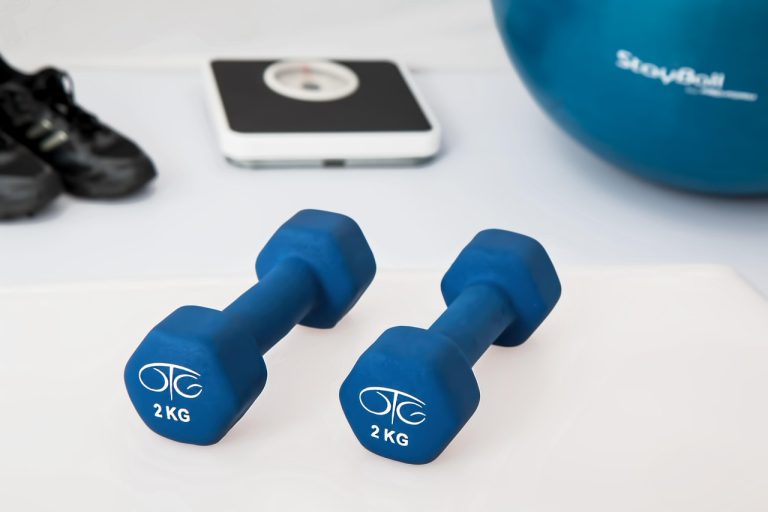
Investing in some basic equipment can enhance your home workouts and provide variety. However, you don’t need to spend a fortune to get started.
Yoga Mat: Provides cushioning and support for floor exercises.
Resistance Bands: Versatile for strength training and stretching.
Dumbbells (Light to Medium Weight): Ideal for building strength and muscle.
Jump Rope: Great for cardio and coordination.
Your workout space should inspire you to exercise. Personalize it with elements that you find motivating.
Play your favorite music to boost your energy.
Display motivational quotes or images.
Ensure adequate lighting to create a positive atmosphere.
Use a mirror to check your form and stay engaged.
Cardiovascular exercise is essential for burning calories, improving heart health, and boosting energy levels.
Walking/Jogging in Place: A simple and effective way to get your heart rate up.
Jumping Jacks: A classic full-body exercise.
High Knees: Engaging your core while elevating your knees.
Butt Kicks: Focusing on hamstring activation.
Strength training builds muscle, increases metabolism, and improves overall strength and stability.
Bodyweight Squats: Targets your quads, glutes, and hamstrings.
Push-Ups (on knees if needed): Strengthens your chest, shoulders, and triceps.
Plank: Engages your core for stability and strength.
Glute Bridges: Works your glutes and hamstrings.
Dumbbell Rows: Focuses on back strength and posture.
Flexibility is crucial for preventing injuries, improving range of motion, and reducing muscle soreness.
Hamstring Stretch: Reach for your toes while seated or standing.
Quadriceps Stretch: Gently pull your heel towards your glutes while standing.
Triceps Stretch: Reach your arm overhead and bend at the elbow, reaching down your back.
Shoulder Stretch: Reach one arm across your body and gently pull it towards you with the other arm.
Monitoring your progress can be a powerful motivator. Track your workouts, weight, measurements, and how you feel overall.
Prevent boredom and burnout by varying your workouts regularly. Try different exercises, routines, and activities to keep things fresh and challenging.
Having someone to share your fitness journey with can provide support, encouragement, and motivation.
Rest is just as important as exercise. Allow your body adequate time to recover and rebuild muscle tissue.
Aim for 7-8 hours of sleep per night.
Incorporate rest days into your workout schedule.
Practice active recovery, such as light stretching or foam rolling.
* Ensure proper nutrition to fuel your body and support recovery.
Starting a home fitness routine is a journey, not a destination. By setting realistic goals, creating a conducive environment, following a well-structured workout plan, and prioritizing motivation and recovery, you can achieve sustainable results and improve your overall health and well-being. Remember to be patient, celebrate your progress, and enjoy the process of becoming a healthier, fitter version of yourself. The most important step is simply to begin!