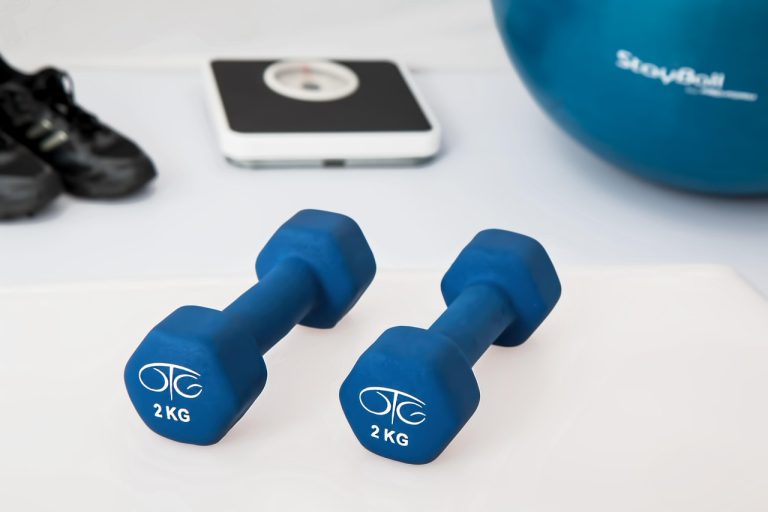
Embarking on a fitness journey can feel like climbing Mount Everest, especially when you’re just starting out. But trust us, it doesn’t have to be an overwhelming ordeal. This comprehensive guide will break down the process into manageable steps, providing you with the knowledge and motivation to begin and maintain a healthier, more active lifestyle. Let’s ditch the intimidation and transform that mountain into a molehill – one step at a time.
Setting Realistic Fitness Goals
Why Goal Setting is Crucial
Without a clear destination, you’re just wandering. Setting realistic fitness goals is the cornerstone of a successful journey. It provides direction, motivation, and a tangible way to measure progress. A study published in the Journal of Sport & Exercise Psychology found that individuals who set specific and challenging goals experienced greater improvements in performance compared to those who didn’t.
- Provides Direction: Goals act as a compass, guiding your efforts and preventing aimless workouts.
- Increases Motivation: Reaching smaller milestones along the way fuels your drive and keeps you engaged.
- Tracks Progress: Allows you to see how far you’ve come and adjust your plan accordingly.
SMART Goal Framework
The SMART framework is a popular and effective method for setting goals:
- Specific: Clearly define what you want to achieve. Instead of “get in shape,” aim for “lose 10 pounds.”
- Measurable: Quantify your goal so you can track your progress. For example, “run a mile in under 10 minutes.”
- Achievable: Set goals that are challenging but attainable, considering your current fitness level.
- Relevant: Ensure your goals align with your overall values and motivations.
- Time-bound: Give yourself a deadline to create a sense of urgency. “Lose 10 pounds in 12 weeks.”
- Example: Instead of just wanting to “get stronger”, a SMART goal would be: “I will be able to bench press my body weight by [Date].
Starting Small and Building Momentum
Rome wasn’t built in a day, and neither is a fit physique. Start with small, manageable goals and gradually increase the intensity and duration of your workouts. This approach minimizes the risk of injury and burnout.
- Week 1: Aim for 30 minutes of brisk walking three times a week.
- Week 2: Increase walking duration to 45 minutes or add light strength training exercises.
- Week 3: Introduce jogging intervals or explore a new fitness class.
Creating a Sustainable Workout Routine
Finding Activities You Enjoy
The key to long-term fitness is finding activities you genuinely enjoy. If you dread your workouts, you’re less likely to stick with them. Experiment with different types of exercise until you find something that resonates with you.
- Try different things: Zumba, swimming, hiking, cycling, rock climbing, yoga, kickboxing. The options are endless.
- Consider your personality: Are you an introvert who prefers solo workouts, or do you thrive in a group setting?
- Don’t be afraid to change it up: Boredom is a fitness killer. Variety keeps things fresh and challenging.
Incorporating Cardio and Strength Training
A well-rounded fitness routine should include both cardiovascular exercise and strength training. Cardio improves your heart health and endurance, while strength training builds muscle mass and boosts metabolism.
- Cardio: Aim for at least 150 minutes of moderate-intensity aerobic activity or 75 minutes of vigorous-intensity aerobic activity per week, according to the Centers for Disease Control and Prevention (CDC). Examples include:
Brisk walking
Running
Swimming
Cycling
Dancing
- Strength Training: Work all major muscle groups (legs, back, chest, shoulders, arms, abs) at least two days per week. Examples include:
Bodyweight exercises (squats, push-ups, lunges)
Weight lifting
Resistance bands
Making Exercise a Habit
Consistency is key to achieving your fitness goals. Here’s how to make exercise a regular part of your life:
- Schedule your workouts: Treat them like important appointments and block out time in your calendar.
- Find a workout buddy: Having someone to exercise with provides accountability and support.
- Prepare in advance: Lay out your workout clothes the night before to remove obstacles.
- Reward yourself: Celebrate your achievements with non-food rewards, such as a new workout outfit or a massage.
Nutrition for Fitness Beginners
Understanding Macronutrients
Macronutrients – protein, carbohydrates, and fats – are the building blocks of a healthy diet. Each plays a vital role in fueling your workouts and supporting muscle growth and recovery.
- Protein: Essential for repairing and building muscle tissue. Aim for 0.8 grams of protein per kilogram of body weight (or more if you’re actively strength training). Examples: chicken breast, fish, eggs, beans, lentils, tofu.
- Carbohydrates: Your body’s primary source of energy. Choose complex carbohydrates over simple sugars. Examples: whole grains, fruits, vegetables, brown rice, quinoa.
- Fats: Important for hormone production and overall health. Opt for healthy fats from sources like avocados, nuts, seeds, and olive oil.
Hydration is Key
Water is essential for virtually every bodily function, including muscle performance and recovery. Dehydration can lead to fatigue, muscle cramps, and decreased performance.
- Drink plenty of water throughout the day. Aim for at least eight glasses (64 ounces).
- Drink before, during, and after exercise.
- Monitor your urine color. Pale yellow indicates adequate hydration.
Meal Planning and Preparation
Planning your meals ahead of time can help you stay on track with your nutrition goals and avoid unhealthy impulse decisions.
- Set aside time each week to plan your meals.
- Create a grocery list and stick to it.
- Prepare meals in bulk on the weekends.
- Pack healthy snacks to avoid cravings. Examples include: fruits, vegetables, nuts, yogurt.
Listening to Your Body and Preventing Injury
Warm-up and Cool-down
Warming up before exercise prepares your muscles for activity and reduces the risk of injury. Cooling down afterward helps your body gradually return to its resting state.
- Warm-up: Include 5-10 minutes of light cardio and dynamic stretching. Examples: arm circles, leg swings, torso twists.
- Cool-down: Include 5-10 minutes of static stretching, holding each stretch for 20-30 seconds. Examples: hamstring stretch, quad stretch, calf stretch.
Proper Form and Technique
Using proper form and technique is crucial for preventing injuries and maximizing the effectiveness of your workouts.
- Start with lighter weights or bodyweight exercises.
- Focus on controlled movements.
- Watch videos or work with a trainer to learn proper form.
- Don’t sacrifice form for weight.
Rest and Recovery
Rest is just as important as exercise. It allows your muscles to repair and rebuild, preventing overtraining and injuries.
- Get adequate sleep. Aim for 7-9 hours of sleep per night.
- Take rest days. Allow your body time to recover between workouts.
- Listen to your body. If you’re feeling pain, stop exercising and rest.
- Consider active recovery.* Light activities like walking or yoga can help improve blood flow and reduce muscle soreness.
Conclusion
Starting a fitness journey is a marathon, not a sprint. By setting realistic goals, creating a sustainable workout routine, prioritizing nutrition, and listening to your body, you can pave the way for long-term success. Remember to celebrate your progress, embrace the challenges, and enjoy the journey. Your health and well-being are worth the investment. Don’t strive for perfection; strive for progress. You’ve got this!