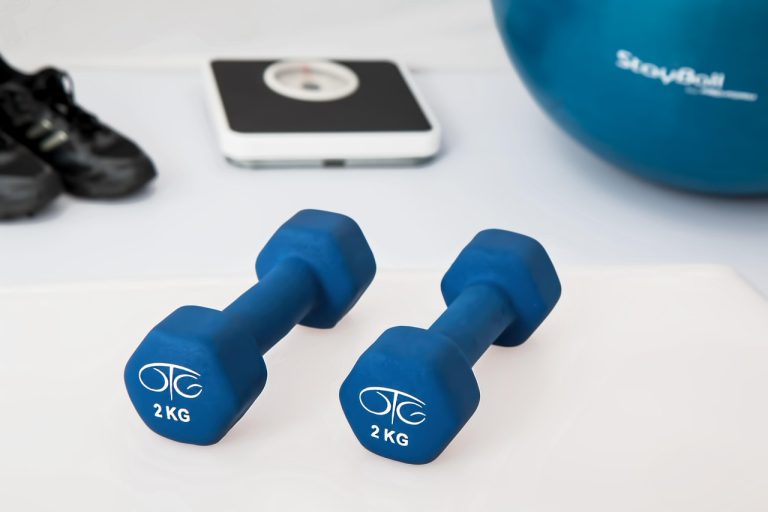
Ready to transform your life and achieve your fitness goals? Cultivating healthy fitness habits is the cornerstone of a healthier, happier, and more energetic you. It’s not about quick fixes or fad diets; it’s about building sustainable practices that become an integral part of your daily routine. This comprehensive guide will provide you with actionable steps to build positive fitness habits and maintain them for long-term success.
The Power of Habit Formation for Fitness
Understanding Habit Loops
Habits are powerful because they operate largely on autopilot, freeing up mental energy. Understanding the habit loop – cue, routine, and reward – is key to building positive fitness habits.
- Cue: The trigger that initiates the behavior (e.g., seeing your running shoes).
- Routine: The behavior itself (e.g., going for a run).
- Reward: The positive reinforcement that makes you want to repeat the behavior (e.g., feeling energized and accomplished).
By identifying the cues and rewards associated with your current habits (good or bad), you can begin to modify them and build new, healthier routines. For example, if you want to make going to the gym a habit, place your gym bag by the door (cue), go to the gym (routine), and reward yourself with a healthy smoothie or a relaxing stretch (reward).
Starting Small and Building Momentum
Trying to overhaul your entire lifestyle overnight is a recipe for burnout. Instead, focus on making small, incremental changes that you can easily incorporate into your daily life.
- Practical Example: Instead of committing to an hour-long workout every day, start with 15-minute walks or bodyweight exercises three times a week. As you get more comfortable, gradually increase the duration and intensity of your workouts.
- Key Takeaway: Consistency is more important than intensity, especially in the beginning. Small, consistent efforts will compound over time and lead to significant results.
Crafting a Personalized Fitness Plan
Defining Your Fitness Goals
Before diving into any specific workout routine, it’s essential to define your fitness goals clearly. Are you aiming to lose weight, build muscle, improve your cardiovascular health, or simply increase your overall energy levels?
- Be Specific: Instead of saying “I want to get in shape,” aim for “I want to lose 10 pounds in three months” or “I want to be able to run a 5K.”
- Make it Measurable: Track your progress using tools like a fitness tracker, a scale, or a journal. This will help you stay motivated and adjust your plan as needed.
- Ensure it is Achievable and Realistic: Set goals that challenge you, but that are also attainable with consistent effort.
Choosing Activities You Enjoy
Fitness shouldn’t feel like a chore. Choose activities that you genuinely enjoy and that fit into your lifestyle. This will make it much easier to stick with your fitness plan in the long run.
- Explore Different Options: Experiment with different types of workouts, such as running, swimming, cycling, dancing, yoga, or strength training.
- Consider Your Preferences: Do you prefer working out alone or with others? Do you thrive in a structured class setting or do you prefer to exercise outdoors?
- Example: If you hate running, don’t force yourself to run. Find an alternative cardiovascular activity that you find enjoyable, such as swimming or cycling.
Optimizing Your Workout Routine
Incorporating Variety
Variety is the spice of life, and it’s also essential for keeping your workouts engaging and effective. Doing the same exercises day after day can lead to plateaus and boredom.
- Mix It Up: Vary the type of workouts you do, the exercises you perform, and the intensity levels.
- Cross-Training: Incorporate different activities that work different muscle groups. This can help prevent injuries and improve your overall fitness. For example, if you primarily run, consider adding strength training or yoga to your routine.
Prioritizing Rest and Recovery
Rest and recovery are just as important as working out. Your body needs time to repair and rebuild muscle tissue after exercise.
- Adequate Sleep: Aim for 7-9 hours of quality sleep per night.
- Rest Days: Schedule rest days into your workout routine.
- Active Recovery: Engage in light activities, such as stretching or walking, on your rest days to promote blood flow and reduce muscle soreness.
- Proper Nutrition: Fuel your body with nutritious foods to support recovery.
The Importance of Hydration
Staying properly hydrated is critical for optimal performance and recovery. Water helps regulate body temperature, lubricate joints, and transport nutrients to your muscles.
- Drink Plenty of Water: Aim to drink at least half your body weight in ounces of water each day.
- Electrolyte Balance: Replenish electrolytes, especially after intense workouts, with sports drinks or electrolyte-rich foods like bananas and coconut water.
- Monitor Urine Color: A pale yellow color indicates adequate hydration. Dark yellow indicates dehydration.
Integrating Fitness into Daily Life
Finding Opportunities for Movement
Look for opportunities to incorporate more movement into your daily life, even outside of your scheduled workouts.
- Take the Stairs: Opt for the stairs instead of the elevator or escalator.
- Walk or Bike: Walk or bike to work or errands whenever possible.
- Stand Up Regularly: Stand up and stretch or walk around every 30 minutes if you have a desk job.
- Active Commute: If you commute, get off the bus or train a stop early and walk the rest of the way.
Making Exercise a Social Activity
Working out with friends, family, or a workout group can provide motivation and accountability.
- Find a Workout Buddy: Partner up with someone who shares your fitness goals and schedule workouts together.
- Join a Fitness Class: Group fitness classes offer a supportive and structured environment.
- Organize Active Outings: Plan active outings with friends and family, such as hiking, biking, or playing sports.
Utilizing Technology and Apps
Technology can be a valuable tool for tracking your progress, finding workout inspiration, and staying motivated.
- Fitness Trackers: Monitor your activity levels, heart rate, and sleep patterns.
- Workout Apps: Access guided workouts, track your progress, and connect with other fitness enthusiasts. Popular apps include MyFitnessPal (for nutrition), Strava (for running and cycling), and Nike Training Club (for a variety of workout styles).
- Online Communities: Join online communities to share your experiences, ask questions, and connect with other like-minded individuals.
Conclusion
Building lasting fitness habits is a journey, not a destination. By understanding the principles of habit formation, creating a personalized fitness plan, optimizing your workout routine, and integrating fitness into your daily life, you can achieve your fitness goals and enjoy a healthier, more vibrant life. Remember to be patient with yourself, celebrate your progress, and never stop learning and adapting along the way.