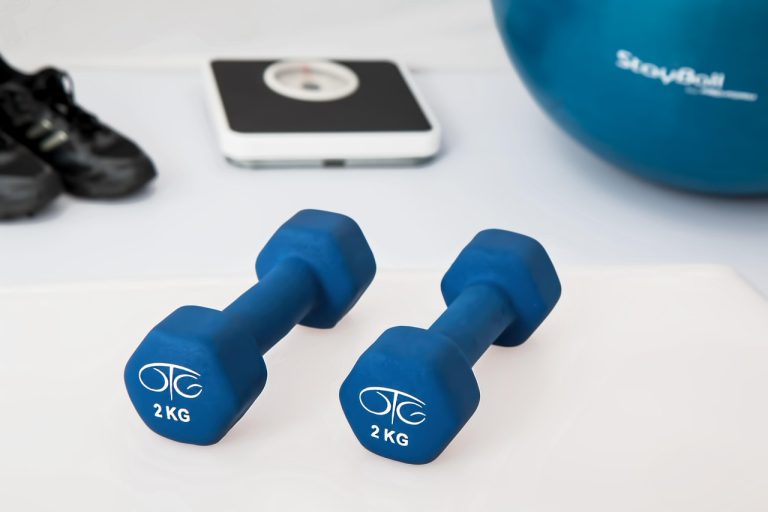
Starting a fitness journey is exciting, filled with the promise of a healthier, stronger, and more vibrant you. However, excitement alone isn’t enough to guarantee long-term success. The key is commitment – a steadfast dedication to your goals that helps you push through challenges and stay on track. This guide will provide you with actionable strategies to build and maintain a rock-solid fitness commitment.
Defining Your Fitness Commitment
Understanding What Commitment Truly Means
Fitness commitment is more than just signing up for a gym membership or downloading a workout app. It’s an active decision to prioritize your physical and mental well-being, consistently putting in the effort required to achieve your goals, even when motivation wanes. It’s about building a sustainable lifestyle centered around healthy habits.
- Going Beyond Motivation: Motivation is fleeting. Commitment is what carries you through when you don’t feel like working out.
- Prioritizing Your Health: Actively choosing to make time for exercise and healthy eating, viewing it as an investment in your future.
- Accepting the Ups and Downs: Understanding that progress isn’t always linear and being prepared to adapt and overcome setbacks.
Setting SMART Goals for a Stronger Commitment
Vague aspirations like “getting in shape” are difficult to track and maintain commitment to. SMART goals provide clarity and a tangible framework for success.
- Specific: Clearly define what you want to achieve. For example, instead of “lose weight,” aim for “lose 10 pounds.”
- Measurable: Establish metrics to track your progress. Track your weight, reps, running distance, or other quantifiable indicators.
- Achievable: Set realistic goals that are challenging but attainable. Overly ambitious goals can lead to discouragement and burnout.
- Relevant: Ensure your goals align with your overall values and lifestyle. Are you trying to improve energy levels for your family, or improve your marathon time?
- Time-Bound: Set a deadline for achieving your goals. “Lose 10 pounds in 8 weeks” is much more effective than simply “lose 10 pounds.”
A SMART goal could be: “I will run a 5k in under 30 minutes by December 31st.” This provides a specific objective, a measurable benchmark (30 minutes), is achievable with consistent training, relevant if you enjoy running, and has a clear deadline.
Building a Supportive Environment
The Power of Accountability Partners
Having someone to share your fitness journey with can significantly boost your commitment. An accountability partner provides support, encouragement, and a sense of responsibility.
- Finding the Right Partner: Choose someone who is genuinely supportive, shares similar fitness goals, and is reliable.
- Regular Check-ins: Schedule regular meetings or calls to discuss your progress, challenges, and upcoming goals.
- Working Out Together: Exercising with your partner can make workouts more enjoyable and increase motivation.
- Celebrating Successes: Acknowledge and celebrate each other’s achievements, no matter how small.
Leveraging Social Support Networks
Beyond individual accountability partners, broader social networks can also be incredibly helpful.
- Joining Fitness Groups: Local running clubs, gym classes, or online fitness communities provide a sense of belonging and shared purpose.
- Sharing Your Journey on Social Media: Publicly declaring your goals can increase accountability and provide opportunities for encouragement from friends and family. Be mindful of using it for validation, and prioritize your personal journey.
- Seeking Professional Guidance: A personal trainer, nutritionist, or therapist can provide expert support, guidance, and accountability.
Overcoming Common Obstacles to Fitness Commitment
Time Management Strategies
One of the most common barriers to fitness commitment is a lack of time. Effective time management strategies can help you prioritize exercise and healthy eating.
- Scheduling Workouts: Treat your workouts like important appointments and schedule them in your calendar.
- Batch Cooking: Prepare meals in advance to save time during the week and ensure you have healthy options readily available.
- Utilizing Small Blocks of Time: Even 15-20 minutes of exercise can be beneficial. Squeeze in a quick workout during your lunch break or before work.
- Combining Activities: Walk or bike to work, take the stairs instead of the elevator, or listen to podcasts while you exercise to make the most of your time.
Dealing with Setbacks and Plateaus
Setbacks are inevitable on any fitness journey. It’s how you respond to them that matters.
- Acknowledging and Accepting Setbacks: Don’t beat yourself up over missed workouts or unhealthy meals. Acknowledge the setback and move on.
- Identifying the Cause: Analyze what led to the setback and develop strategies to prevent it from happening again.
- Adjusting Your Goals: If you’re experiencing a plateau, consider adjusting your workout routine, nutrition plan, or goals.
- Seeking Support: Talk to your accountability partner, trainer, or support network for encouragement and advice.
Combating Boredom and Maintaining Motivation
Routines can become monotonous, leading to boredom and decreased motivation. Variety is key to staying engaged.
- Trying New Activities: Experiment with different types of exercise, such as yoga, swimming, hiking, or dancing.
- Varying Your Workouts: Change your routine regularly to challenge your body and prevent plateaus.
- Listening to Music or Podcasts: Create a playlist of upbeat music or listen to engaging podcasts while you exercise.
- Rewarding Yourself: Celebrate your accomplishments with non-food rewards, such as a massage, new workout gear, or a relaxing day off.
The Role of Mindset in Sustaining Fitness Commitment
Cultivating a Growth Mindset
A growth mindset, believing that your abilities can be developed through dedication and hard work, is essential for long-term fitness commitment.
- Focusing on Progress, Not Perfection: Celebrate small victories and acknowledge improvements in your strength, endurance, or overall fitness.
- Embracing Challenges: View challenges as opportunities for growth and learning.
- Learning from Mistakes: Don’t be afraid to experiment and learn from your mistakes.
- Practicing Self-Compassion: Be kind to yourself and avoid negative self-talk.
Visualization and Positive Affirmations
Mental imagery and positive self-talk can significantly impact your motivation and commitment.
- Visualizing Success: Imagine yourself achieving your fitness goals and visualize the positive outcomes.
- Using Positive Affirmations: Repeat positive statements about your abilities and commitment to your goals.
- Focusing on the Benefits: Remind yourself of the many benefits of exercise, such as improved energy levels, reduced stress, and better sleep.
- Practicing Gratitude:* Appreciate your body and its capabilities.
Conclusion
Building and maintaining a strong fitness commitment requires a multifaceted approach, encompassing clear goal setting, a supportive environment, effective time management, a resilient mindset, and strategies for overcoming challenges. By implementing the strategies outlined in this guide, you can transform your fitness journey from a temporary pursuit into a sustainable and rewarding lifestyle. Remember, it’s not about perfection, it’s about progress and consistently showing up for yourself. Make the commitment, stay the course, and reap the incredible benefits of a healthier and fitter you.