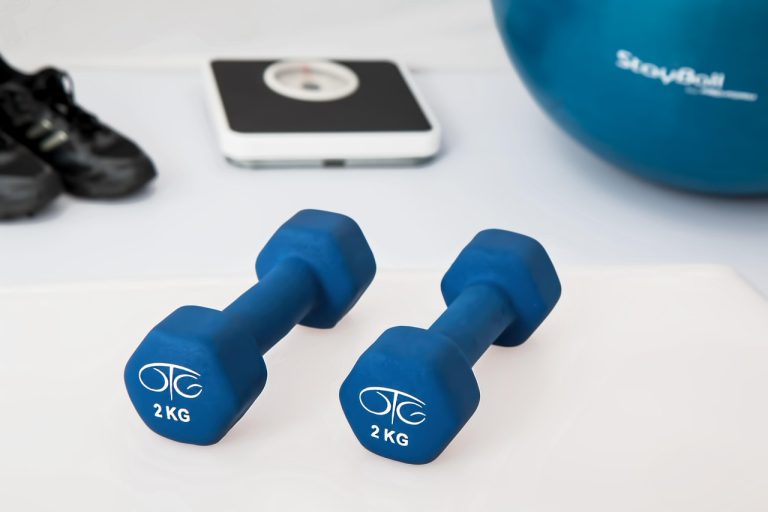
Committing to a fitness journey is more than just signing up for a gym membership or downloading a workout app. It’s about making a conscious decision to prioritize your health and well-being, and then consistently taking steps to achieve your fitness goals. It requires dedication, discipline, and a well-thought-out plan. However, the rewards – improved physical health, increased energy levels, enhanced mental clarity, and a boosted sense of self-esteem – are well worth the effort.
Understanding Fitness Commitment
What Does Fitness Commitment Truly Mean?
Fitness commitment goes beyond sporadic workouts. It’s about integrating physical activity into your lifestyle as a regular habit. It encompasses:
- Consistent Effort: Regularly engaging in physical activity, even when you don’t feel like it.
- Goal-Oriented Approach: Setting specific, measurable, achievable, relevant, and time-bound (SMART) fitness goals.
- Mental Fortitude: Overcoming challenges and setbacks that inevitably arise during your fitness journey.
- Holistic Well-being: Recognizing that fitness is intertwined with other aspects of health, such as nutrition and sleep.
For example, instead of vaguely aiming to “get in shape,” a concrete fitness commitment would be to “run a 5k in three months, training three times a week.”
Why is Fitness Commitment Important?
A strong commitment to fitness offers a multitude of benefits:
- Improved Physical Health: Reduces the risk of chronic diseases like heart disease, type 2 diabetes, and certain cancers.
- Enhanced Mental Well-being: Alleviates stress, improves mood, and boosts cognitive function.
- Increased Energy Levels: Regular exercise can combat fatigue and provide sustained energy throughout the day.
- Weight Management: Helps maintain a healthy weight and reduces the risk of obesity.
- Increased Confidence: Achieving fitness goals can lead to a greater sense of self-esteem and accomplishment. Studies show that even moderate exercise significantly reduces symptoms of anxiety and depression.
Setting Realistic Fitness Goals
The Power of SMART Goals
SMART goals are crucial for maintaining fitness commitment. They provide a clear roadmap and help you track your progress:
- Specific: Define your goals precisely. Instead of “lose weight,” aim to “lose 1-2 pounds per week.”
- Measurable: Quantify your goals so you can track your progress. Use metrics like weight, distance, reps, or time.
- Achievable: Set realistic goals based on your current fitness level and lifestyle. Don’t try to do too much too soon.
- Relevant: Choose goals that align with your values and overall health objectives.
- Time-Bound: Set a deadline for achieving your goals. This creates a sense of urgency and accountability.
For instance, a good SMART goal might be “to be able to do 10 full push-ups by the end of six weeks, practicing three times a week.”
Gradual Progression and Avoiding Burnout
It’s essential to increase the intensity and duration of your workouts gradually. Pushing yourself too hard too soon can lead to injuries and burnout.
- Start Small: Begin with manageable workouts and gradually increase the difficulty.
- Listen to Your Body: Pay attention to pain signals and rest when needed.
- Vary Your Workouts: Prevent boredom and target different muscle groups by incorporating various activities.
- Prioritize Rest and Recovery: Adequate sleep and rest days are crucial for muscle recovery and preventing overtraining.
For example, if you’re new to running, start with walking intervals and gradually increase the running time as you build endurance.
Building a Support System
The Role of Social Support
Having a support system can significantly enhance your fitness commitment.
- Find a Workout Buddy: Exercising with a friend can provide motivation and accountability.
- Join a Fitness Community: Connect with like-minded individuals online or in person.
- Share Your Goals with Loved Ones: Ask for their support and encouragement.
- Consider Hiring a Personal Trainer: A trainer can provide expert guidance and personalized support.
Studies show that people who exercise with a partner are more likely to stick with their fitness routine.
The Power of Accountability
Accountability is key to staying on track with your fitness goals.
- Track Your Progress: Use a fitness tracker, journal, or app to monitor your workouts and progress.
- Set Up Rewards: Reward yourself for achieving milestones, but make the rewards healthy and fitness-related (e.g., new workout gear, massage).
- Share Your Progress Publicly: Posting your progress on social media or joining a fitness challenge can provide external accountability.
- Seek Professional Guidance: A coach or trainer can hold you accountable and provide ongoing support.
Overcoming Obstacles and Staying Motivated
Identifying and Addressing Challenges
Everyone faces obstacles on their fitness journey. Identifying and addressing these challenges is crucial for maintaining commitment.
- Lack of Time: Schedule workouts into your calendar and treat them like important appointments. Consider shorter, more intense workouts.
- Lack of Motivation: Find activities you enjoy and vary your routine to prevent boredom.
- Injuries: Consult a healthcare professional and modify your workouts to avoid aggravating the injury. Focus on rehabilitation exercises.
- Plateaus: Adjust your workout routine or diet to challenge your body in new ways.
Staying Motivated Long-Term
Maintaining motivation requires ongoing effort and a positive mindset.
- Focus on the Benefits: Remind yourself of the positive impacts of fitness on your physical and mental health.
- Celebrate Small Victories: Acknowledge and celebrate your progress, no matter how small.
- Set New Challenges: Continuously challenge yourself to push your limits and stay engaged.
- Visualize Success: Imagine yourself achieving your fitness goals and use this visualization to stay motivated. Studies show that visualization techniques can enhance athletic performance.
Conclusion
Fitness commitment is a journey, not a destination. It requires ongoing effort, dedication, and a positive mindset. By setting realistic goals, building a support system, and overcoming obstacles, you can successfully integrate fitness into your lifestyle and reap the numerous benefits of a healthy and active life. Remember to celebrate your progress, stay consistent, and enjoy the process. The rewards – improved physical and mental health – are well worth the investment.