Forget the pricey gym memberships and the intimidating weight racks. Getting fit, building strength, and boosting your overall well-being doesn’t always require fancy equipment. Embracing the concept of “no gear fitness” opens up a world of accessible and effective workouts that you can do practically anywhere, anytime. This blog post will explore the principles, benefits, and practical applications of no gear fitness, proving that your own bodyweight is often the best gym you’ll ever need.
What is No Gear Fitness?
Defining No Gear Fitness
No gear fitness, also known as bodyweight training, involves using your own body weight as resistance to perform exercises. This method eliminates the need for weights, machines, or other external equipment. It’s a versatile approach that can be adapted for various fitness levels and goals, from building muscle and improving cardiovascular health to enhancing flexibility and balance.
Why Choose No Gear Fitness?
There are several compelling reasons to consider no gear fitness:
- Accessibility: You can perform bodyweight exercises anywhere – at home, in a park, or even during travel.
- Cost-Effectiveness: No gym membership or equipment purchases are required, making it a budget-friendly option.
- Functional Strength: Bodyweight exercises often mimic real-life movements, improving functional strength and coordination.
- Scalability: Exercises can be easily modified to suit different fitness levels and gradually increased in difficulty.
- Reduced Risk of Injury: Proper form in bodyweight exercises, while still important, tends to be less risky than lifting heavy external weights without proper supervision.
The Science Behind Bodyweight Training
How Bodyweight Exercises Build Muscle
Bodyweight exercises effectively stimulate muscle growth through several mechanisms:
- Progressive Overload: While you don’t add external weight, you can increase the difficulty of bodyweight exercises by modifying the movement (e.g., progressing from a regular push-up to an incline push-up or a decline push-up).
- Muscle Activation: Many bodyweight exercises engage multiple muscle groups simultaneously, leading to more efficient workouts and greater overall strength development. Think of a squat – it works your quads, hamstrings, glutes, and core.
- Neuromuscular Adaptation: Bodyweight training improves the connection between your brain and your muscles, leading to better control and coordination.
Calorie Burning and Cardiovascular Benefits
Don’t underestimate the cardiovascular benefits of no gear fitness!
- High-Intensity Interval Training (HIIT): Many bodyweight workouts can be structured as HIIT routines, which are highly effective for burning calories and improving cardiovascular health.
- Circuit Training: Performing a series of bodyweight exercises with minimal rest in between elevates your heart rate and provides a great cardio workout.
- Increased Metabolism: Building muscle through bodyweight training increases your resting metabolic rate, helping you burn more calories even when you’re not exercising.
Essential No Gear Exercises
Foundational Movements
These exercises are the building blocks of a comprehensive no gear fitness routine:
- Squats: A fundamental exercise for lower body strength. Focus on maintaining proper form – chest up, back straight, and knees behind your toes. Variations: Bodyweight squat, jump squat, pistol squat (advanced).
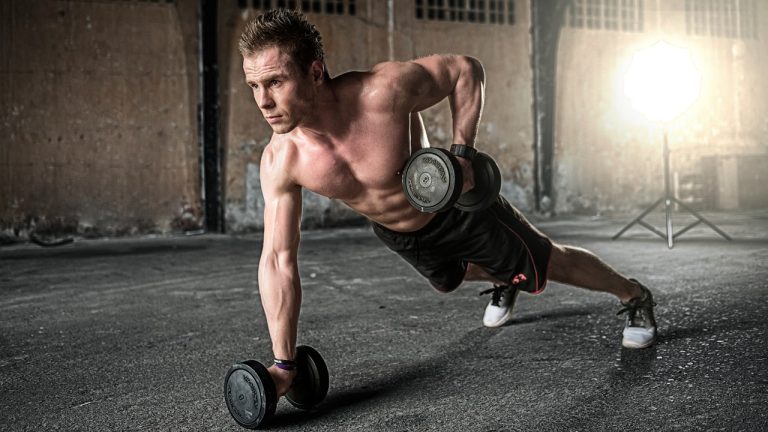
- Push-ups: A classic exercise for upper body strength. Variations: Incline push-up (easier), decline push-up (harder), diamond push-up (targets triceps).
- Lunges: Works your quads, hamstrings, and glutes while improving balance. Variations: Forward lunge, reverse lunge, walking lunge.
- Plank: An isometric exercise that strengthens your core. Hold the position for as long as you can maintain proper form – a straight line from head to heels. Variations: Forearm plank, high plank, side plank.
Intermediate and Advanced Exercises
Once you’ve mastered the foundational movements, you can progress to more challenging exercises:
- Pull-ups/Chin-ups: Requires a pull-up bar, but is a highly effective exercise for back and arm strength.
- Dips: Can be performed using parallel bars or a sturdy chair. Targets triceps and chest.
- Burpees: A full-body exercise that combines a squat, push-up, and jump. Excellent for cardiovascular fitness.
- Pistol Squats: A single-leg squat that requires significant strength and balance.
Creating Your No Gear Workout Routine
Structuring Your Workouts
- Warm-up: Start with 5-10 minutes of light cardio and dynamic stretching to prepare your muscles for exercise (e.g., arm circles, leg swings, torso twists).
- Workout: Choose 3-5 exercises and perform them for a set number of repetitions or for a certain amount of time (e.g., 3 sets of 10-12 repetitions of each exercise).
- Cool-down: Finish with 5-10 minutes of static stretching to improve flexibility and reduce muscle soreness (e.g., holding each stretch for 30 seconds).
Sample Workout Plans
Squats: 3 sets of 10-12 repetitions
Push-ups (modified on knees if needed): 3 sets of as many repetitions as possible (AMRAP)
Lunges: 3 sets of 10-12 repetitions per leg
Plank: 3 sets, holding for 30-60 seconds
Squats: 3 sets of 15-20 repetitions
Push-ups: 3 sets of AMRAP
Walking Lunges: 3 sets of 15-20 repetitions per leg
Plank: 3 sets, holding for 60-90 seconds
Dips (using a chair): 3 sets of AMRAP
Pistol Squats: 3 sets of 8-10 repetitions per leg
Pull-ups/Chin-ups: 3 sets of AMRAP
Burpees: 3 sets of 15-20 repetitions
Handstand Push-ups (against a wall): 3 sets of AMRAP
L-Sit (on parallel bars or floor): 3 sets, holding for as long as possible
Tips for Success
- Focus on Proper Form: Prioritize correct form over the number of repetitions to prevent injuries. Watch videos and consider working with a trainer to learn proper technique.
- Progress Gradually: Increase the difficulty of exercises as you get stronger.
- Listen to Your Body: Rest when you need to and don’t push yourself too hard, especially when starting.
- Stay Consistent: Aim for at least 3 workouts per week to see results.
- Stay Hydrated: Drink plenty of water before, during, and after your workouts.
- Fuel Your Body: Eat a balanced diet to support your fitness goals.
Addressing Common Concerns
Is No Gear Fitness Enough for Building Significant Muscle?
Yes, no gear fitness can be effective for building muscle, especially for beginners and intermediate trainees. As you progress, you may need to incorporate more challenging variations or consider adding external resistance to further stimulate muscle growth. However, consistent bodyweight training can lead to significant gains in strength and muscle definition. Focus on progressive overload by making the exercises more challenging.
How Can I Track My Progress?
- Record Your Workouts: Keep a log of the exercises you perform, the number of repetitions, and the sets.
- Take Progress Photos: Visual documentation can be a great motivator and help you track changes in your body composition.
- Measure Your Strength: Track how many repetitions you can perform with good form over time.
- Monitor Your Body Measurements: Measure your waist, hips, and other body parts to track changes in size.
Is No Gear Fitness Suitable for Everyone?
No gear fitness can be adapted for most fitness levels, but it’s essential to consult with a healthcare professional before starting any new exercise program, especially if you have any underlying health conditions or injuries. Modifications can be made to accommodate different abilities and limitations.
Conclusion
No gear fitness offers a powerful and accessible path to improved health and fitness. By understanding the principles of bodyweight training, incorporating essential exercises into your routine, and staying consistent with your workouts, you can achieve remarkable results without ever stepping foot in a gym. So, ditch the excuses, embrace the freedom of bodyweight training, and unlock your full fitness potential, one rep at a time.