Breaking free from the confines of a gym doesn’t mean sacrificing your fitness goals. In fact, achieving a full-body workout without stepping foot inside a traditional fitness center is entirely possible and can be incredibly effective. This guide explores a range of no-gym exercises, providing you with the knowledge and tools to create a personalized and effective workout routine from the comfort of your own home or even while traveling. Say goodbye to membership fees and hello to accessible, adaptable fitness!
Bodyweight Training: Your Ultimate Gym-Free Solution
Bodyweight exercises utilize your own weight as resistance, making them highly effective for building strength, endurance, and flexibility. They require no equipment, making them accessible to anyone, anywhere.
Foundational Bodyweight Exercises
- Squats: A fundamental exercise targeting your quads, glutes, and hamstrings.
How to: Stand with your feet shoulder-width apart, lower your hips as if sitting in a chair, keeping your back straight and core engaged. Aim for 3 sets of 10-15 repetitions.
- Push-Ups: A classic exercise that strengthens your chest, shoulders, and triceps.
How to: Start in a plank position with your hands slightly wider than shoulder-width apart. Lower your body until your chest almost touches the ground, then push back up. If standard push-ups are too difficult, modify by performing them on your knees. Aim for 3 sets of as many repetitions as possible (AMRAP).
- Lunges: A unilateral exercise that works your quads, glutes, and hamstrings while improving balance.
How to: Step forward with one leg and lower your body until both knees are bent at 90-degree angles. Keep your front knee behind your toes and your back knee close to the ground. Alternate legs and aim for 3 sets of 10-12 repetitions per leg.
- Plank: An isometric exercise that strengthens your core muscles.
How to: Hold a position similar to the top of a push-up, but with your forearms on the ground. Keep your body in a straight line from head to heels, engaging your core muscles. Hold for 30-60 seconds and repeat 3 times.
Advanced Bodyweight Variations
Once you’ve mastered the foundational exercises, you can increase the challenge with variations.
- Pistol Squats: A single-leg squat requiring significant strength and balance.
- Diamond Push-Ups: Target your triceps more intensely.
- Walking Lunges: Increase the cardiovascular demand and range of motion.
- Side Plank: Focus on strengthening your oblique muscles.
Cardio Without the Treadmill: Getting Your Heart Rate Up
Cardiovascular exercise is crucial for overall health and fitness, and it doesn’t require a treadmill or elliptical. These activities are fantastic for burning calories and improving heart health.
High-Intensity Interval Training (HIIT)
HIIT involves short bursts of intense exercise followed by brief periods of rest or low-intensity activity. This method is highly effective for burning calories and improving cardiovascular fitness in a short amount of time.
Jumping Jacks (30 seconds)
High Knees (30 seconds)
Butt Kicks (30 seconds)
Rest (30 seconds)
* Repeat the circuit 5-10 times.
Outdoor Cardio Activities
- Running/Jogging: An accessible and effective way to improve cardiovascular health. Vary your route and intensity for added challenge. According to the CDC, adults should aim for at least 150 minutes of moderate-intensity aerobic activity or 75 minutes of vigorous-intensity activity per week.
- Swimming: A low-impact option that works your entire body.
- Cycling: A great way to explore your surroundings while getting a good workout.
Using Everyday Objects for Resistance
You don’t need fancy equipment to add resistance to your workouts. Everyday objects can be used creatively to increase the intensity.
Resistance Training with Household Items
- Water Bottles/Canned Goods: Use these as weights for bicep curls, shoulder raises, or tricep extensions.
- Backpack: Fill a backpack with books or other heavy items and use it for squats, lunges, or rows.
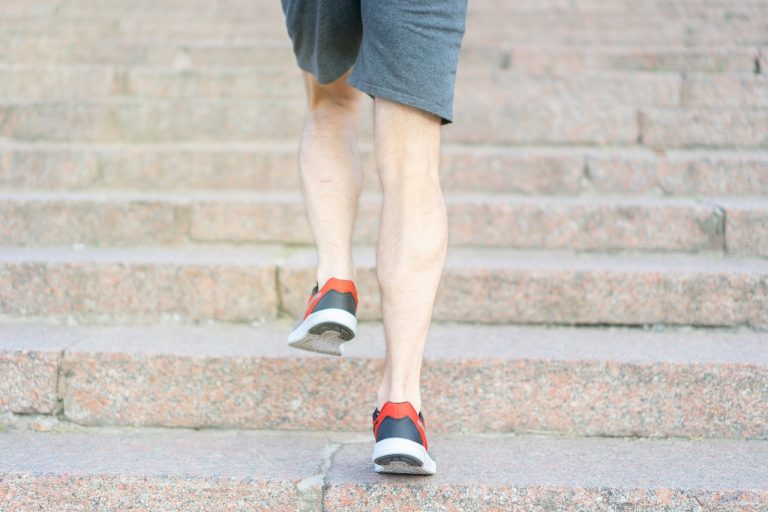
- Stairs: Use stairs for step-ups, incline push-ups, or stair sprints.
Finding Safe and Effective Alternatives
- Prioritize safety: Ensure the object you’re using is stable and won’t break or cause injury.
- Start light: Begin with lighter weights and gradually increase the resistance as you get stronger.
- Focus on form: Maintaining proper form is crucial, regardless of the weight you’re using.
Flexibility and Mobility: Essential for Injury Prevention
Flexibility and mobility are often overlooked but are crucial for preventing injuries and improving overall performance.
Stretching and Yoga
- Static Stretching: Holding a stretch for 30 seconds to improve flexibility. Examples include hamstring stretches, quad stretches, and calf stretches.
- Dynamic Stretching: Performing controlled movements through a range of motion to improve mobility. Examples include arm circles, leg swings, and torso twists.
- Yoga: A practice that combines stretching, strength training, and mindfulness. There are many free yoga videos available online for all skill levels. Yoga has been shown to reduce stress and improve flexibility, balance, and strength.
Foam Rolling
- Self-Myofascial Release: Using a foam roller to massage your muscles and release tension. Focus on major muscle groups like your quads, hamstrings, and back. Foam rolling can help improve flexibility and reduce muscle soreness.
Creating a Personalized No-Gym Workout Plan
Designing a workout plan that fits your specific goals and fitness level is key to success.
Assessing Your Fitness Level
- Start with a self-assessment: Evaluate your current strength, endurance, flexibility, and balance.
- Consider your goals: Are you looking to build muscle, lose weight, improve cardiovascular health, or increase flexibility?
- Choose exercises accordingly: Select exercises that target the muscle groups you want to work on and that are appropriate for your fitness level.
Structuring Your Workouts
- Warm-up: Begin each workout with 5-10 minutes of light cardio and dynamic stretching.
- Workout: Perform 3-4 sets of each exercise, with 10-15 repetitions per set.
- Cool-down: End each workout with 5-10 minutes of static stretching.
Sample Weekly Workout Plan
- Monday: Bodyweight Strength Training (Squats, Push-Ups, Lunges, Plank)
- Tuesday: Cardio (Running or HIIT)
- Wednesday: Rest or Active Recovery (Yoga or Foam Rolling)
- Thursday: Bodyweight Strength Training (Variations of Monday’s exercises, focusing on different muscle groups)
- Friday: Cardio (Swimming or Cycling)
- Saturday: Rest or Active Recovery (Hiking or Long Walk)
- Sunday: Rest
Conclusion
Achieving your fitness goals without a gym membership is not only possible but can also be incredibly rewarding. By utilizing bodyweight exercises, incorporating cardio activities, leveraging everyday objects for resistance, and prioritizing flexibility and mobility, you can create a comprehensive and personalized workout plan that fits your lifestyle. Remember to start slowly, listen to your body, and gradually increase the intensity and duration of your workouts. With consistency and dedication, you can achieve impressive results without ever setting foot in a traditional gym. Embrace the freedom and flexibility of no-gym fitness and unlock your full potential!