The gym membership sits unused, gathering dust. Excuses abound: no time, expensive fees, intimidating equipment. But what if a fitter, healthier you was achievable without stepping foot inside a gym or spending a penny on fancy gear? Enter the world of no-gear fitness, a revolutionary approach that leverages your own bodyweight and surroundings to sculpt a stronger, leaner, and more resilient you. This guide unveils the secrets of no-gear fitness, providing you with the knowledge and tools to transform your body, anytime, anywhere.
The Power of Bodyweight Training
Why Bodyweight Works
Bodyweight training is a highly effective method of building strength, endurance, and flexibility. It utilizes your own body weight as resistance, challenging your muscles and cardiovascular system.
- Functional Strength: Bodyweight exercises mimic natural movements, improving your ability to perform everyday activities with ease. Think about squatting to pick up a box or pushing yourself up from the floor.
- Accessibility: No equipment needed! You can perform these exercises anywhere – at home, in a park, or even on vacation.
- Scalability: Bodyweight exercises can be easily modified to suit different fitness levels. Beginners can start with easier variations and gradually progress to more challenging ones.
- Reduced Risk of Injury: Compared to lifting heavy weights, bodyweight exercises often put less stress on your joints, reducing the risk of injury.
Common Bodyweight Exercises
Here are some fundamental bodyweight exercises to get you started:
- Squats: Stand with your feet shoulder-width apart, lower your hips as if sitting in a chair, and keep your back straight. Aim for 3 sets of 10-15 repetitions.
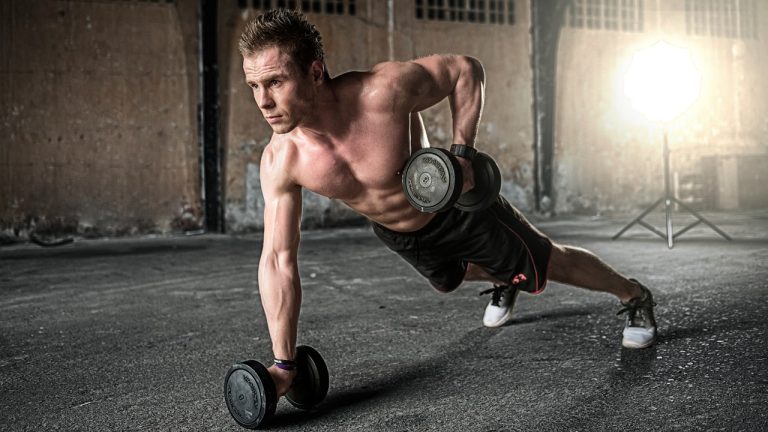
- Push-ups: Start in a plank position, lower your chest towards the ground, and push back up. Modify by performing push-ups on your knees if needed. Aim for 3 sets of as many repetitions as possible (AMRAP).
- Lunges: Step forward with one leg, lowering your hips until both knees are bent at 90 degrees. Alternate legs. Aim for 3 sets of 10-12 repetitions per leg.
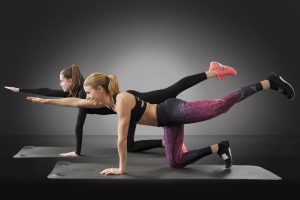
- Plank: Hold a straight line from head to heels, engaging your core muscles. Hold for 30-60 seconds, repeat 3-5 times.
- Pull-ups: (Requires a sturdy overhead bar). Grip the bar with an overhand grip, wider than shoulder-width, and pull yourself up until your chin is above the bar. Aim for 3 sets of AMRAP. If you can’t do a pull-up, consider using an assisted pull-up machine or negative pull-ups (slowly lowering yourself down).
Cardio Without the Treadmill
Beyond the Treadmill: Effective Cardio Alternatives
While treadmills and ellipticals are popular choices for cardio, there are many effective no-gear alternatives. These options are not only free but also more engaging and fun.
- Running/Jogging: A classic cardio workout. Vary your routes and include hills for added intensity. Consider interval training – alternating between high-intensity sprints and periods of rest or jogging.
- Jumping Jacks: A simple yet effective exercise to elevate your heart rate and improve coordination. Aim for 3 sets of 30-60 seconds.
- Burpees: A full-body exercise that combines squats, push-ups, and jumps. Highly effective for burning calories and improving cardiovascular fitness. Aim for 3 sets of 10-15 repetitions.
- High Knees: Run in place, lifting your knees as high as possible. Focus on a fast pace and proper form. Aim for 3 sets of 30-60 seconds.
- Mountain Climbers: Start in a plank position and alternate bringing your knees towards your chest. Aim for 3 sets of 30-60 seconds.
Creating Your Own Cardio Circuit
Combine several of these exercises into a circuit for a challenging and time-efficient workout.
1. Jumping Jacks (30 seconds)
2. Burpees (10 repetitions)
3. High Knees (30 seconds)
4. Mountain Climbers (30 seconds)
5. Rest (60 seconds)
Repeat the circuit 3-5 times. Adjust the duration and repetitions based on your fitness level.
Using Your Environment as Your Gym
Leveraging Everyday Objects
Your surroundings offer a wealth of opportunities for no-gear fitness. Get creative and use everyday objects to enhance your workouts.
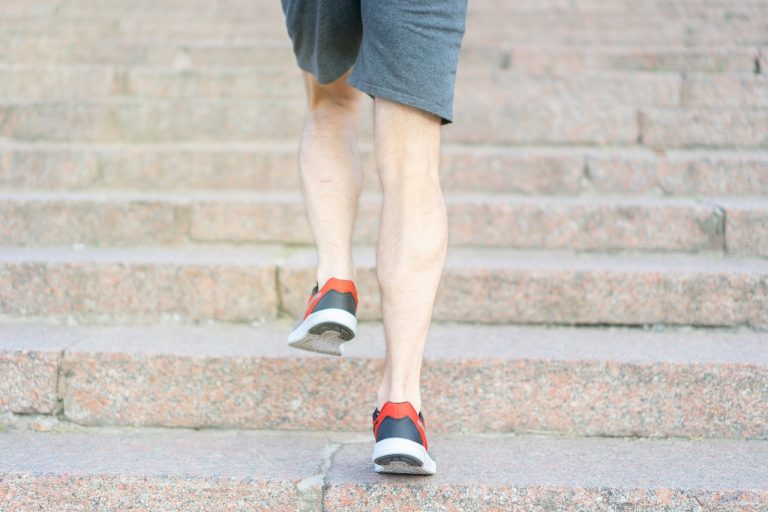
- Stairs: Run or walk up and down stairs for a great cardio workout. Use stairs for step-ups or incline push-ups.
- Benches: Utilize park benches for tricep dips, step-ups, or incline push-ups.
- Walls: Use walls for wall sits, wall push-ups, or calf raises.
- Trees: Use sturdy trees for pull-up variations (with caution and proper technique).
Outdoor Workouts: Embrace Nature
Take your workouts outdoors and enjoy the fresh air and sunshine.
- Park Workouts: Perform bodyweight exercises in a park setting. Use benches for dips, trees for pull-ups (if suitable), and open spaces for running and jumping.
- Trail Running: Explore local trails for a challenging and scenic cardio workout. Vary your pace and terrain to challenge your muscles and cardiovascular system.
- Swimming: If you have access to a pool or natural body of water, swimming is an excellent full-body workout.
Building a No-Gear Fitness Routine
Assessing Your Fitness Level
Before starting any new fitness routine, it’s important to assess your current fitness level. This will help you choose appropriate exercises and avoid injury.
- Beginner: If you’re new to exercise, start with easier variations of bodyweight exercises and focus on proper form. Gradually increase the intensity and duration of your workouts.
- Intermediate: If you have some experience with exercise, you can progress to more challenging bodyweight exercises and increase the number of sets and repetitions.
- Advanced: If you’re an experienced athlete, you can incorporate advanced bodyweight exercises and high-intensity interval training (HIIT) into your routine.
Sample No-Gear Workout Schedule
Here’s a sample weekly workout schedule for no-gear fitness:
- Monday: Bodyweight Strength Training (Squats, Push-ups, Lunges, Plank)
- Tuesday: Cardio (Running/Jogging or Circuit Training)
- Wednesday: Rest or Active Recovery (Yoga, Stretching)
- Thursday: Bodyweight Strength Training (Pull-ups, Dips, Glute Bridges, Supermans)
- Friday: Cardio (Interval Training or Outdoor Activity)
- Saturday: Long Cardio Session (Hiking, Biking, Swimming)
- Sunday: Rest
Tips for Staying Motivated
- Set Realistic Goals: Start with small, achievable goals and gradually increase the challenge as you progress.
- Find a Workout Buddy: Working out with a friend can provide motivation and accountability.
- Track Your Progress: Monitor your progress by recording your workouts and tracking your improvements.
- Make it Fun: Choose exercises and activities that you enjoy to make your workouts more sustainable.
- Listen to Your Body: Rest when you need to and don’t push yourself too hard, especially when you’re first starting out.
Nutrition for No-Gear Fitness
Fueling Your Body for Success
Exercise alone isn’t enough. Proper nutrition is crucial for supporting your fitness goals and maximizing your results.
- Balanced Diet: Focus on a diet rich in fruits, vegetables, lean protein, and whole grains.
- Hydration: Drink plenty of water throughout the day to stay hydrated and support your body’s functions.
- Protein Intake: Consume adequate protein to support muscle growth and repair. Aim for 0.8-1 gram of protein per pound of body weight.
- Pre-Workout Fuel: Eat a light meal or snack before your workouts to provide energy.
- Post-Workout Recovery: Replenish your energy stores and support muscle recovery with a post-workout meal or snack that contains carbohydrates and protein.
- Limit Processed Foods: Minimize your intake of processed foods, sugary drinks, and unhealthy fats.
Sample Meal Plan for No-Gear Fitness
- Breakfast: Oatmeal with berries and nuts.
- Lunch: Salad with grilled chicken or fish.
- Dinner: Baked salmon with roasted vegetables.
- Snacks: Fruits, vegetables, yogurt, or nuts.
Conclusion
No-gear fitness offers a powerful and accessible path to improved health and well-being. By leveraging the power of bodyweight training, creative cardio alternatives, and your surrounding environment, you can achieve significant results without the need for expensive gym memberships or specialized equipment. Remember to start slow, listen to your body, and focus on consistency. With dedication and the right approach, no-gear fitness can empower you to transform your body and achieve your fitness goals, anytime, anywhere. Embrace the freedom and flexibility of no-gear fitness and unlock your full potential today.