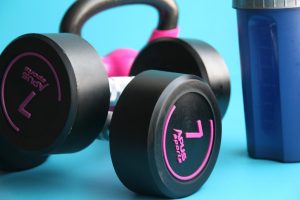
Professionals often juggle demanding careers, family responsibilities, and social commitments, leaving little time for personal well-being. But prioritizing fitness is not a luxury; it’s a necessity for sustained productivity, improved mental clarity, and overall health. This article provides practical strategies and actionable tips to help busy professionals integrate fitness into their daily routines, reaping the rewards of a healthier and more balanced lifestyle.
The Importance of Fitness for Professionals
Increased Productivity and Focus
Regular exercise has a profound impact on cognitive function. Studies show that physical activity increases blood flow to the brain, enhancing memory, concentration, and problem-solving abilities. Professionals who prioritize fitness often experience:
- Improved concentration: Easier to stay focused on tasks for longer periods.
- Enhanced memory: Better retention of information and improved recall.
- Faster decision-making: Quicker and more effective decision-making processes.
- Reduced mental fatigue: Less likely to experience burnout and exhaustion.
Example: Instead of reaching for a third cup of coffee in the afternoon, try a brisk 15-minute walk. You’ll likely experience a more sustained energy boost without the jitters or crash associated with caffeine.
Stress Reduction and Improved Mental Health
The professional world can be incredibly stressful, leading to anxiety, depression, and other mental health issues. Fitness provides a natural and effective way to manage stress levels and improve overall mental well-being.
- Release of endorphins: Exercise triggers the release of endorphins, which have mood-boosting effects.
- Reduced cortisol levels: Physical activity helps lower cortisol, the stress hormone.
- Improved sleep quality: Regular exercise can improve sleep patterns, leading to better rest and recovery.
- Increased self-esteem: Achieving fitness goals can boost confidence and self-esteem.
Example: Consider incorporating mindfulness practices into your workout routine, such as focusing on your breath during yoga or meditation. This can further enhance the stress-reducing benefits of exercise.
Enhanced Physical Health and Longevity
Maintaining a healthy lifestyle through fitness can significantly reduce the risk of chronic diseases, improve cardiovascular health, and increase longevity. For professionals who spend long hours sitting at a desk, this is particularly important.
- Reduced risk of heart disease: Exercise strengthens the heart and improves blood circulation.
- Lower blood pressure and cholesterol: Regular physical activity helps maintain healthy blood pressure and cholesterol levels.
- Improved bone density: Weight-bearing exercises, like walking or weightlifting, can increase bone density and prevent osteoporosis.
- Weight management: Fitness helps burn calories and maintain a healthy weight, reducing the risk of obesity-related health problems.
Example: Aim for at least 150 minutes of moderate-intensity aerobic activity or 75 minutes of vigorous-intensity aerobic activity per week. Break it down into smaller chunks, such as 30-minute workouts five days a week.
Creating a Fitness Plan That Fits Your Schedule
Time Management Strategies
One of the biggest challenges for professionals is finding the time for fitness. Effective time management is crucial for incorporating exercise into a busy schedule.
- Schedule workouts like meetings: Block out specific times in your calendar for exercise and treat them as non-negotiable appointments.
- Utilize your commute: If possible, walk, bike, or run to work. Alternatively, park further away from the office and walk the remaining distance.
- Maximize your lunch break: Use part of your lunch break for a quick workout, such as a brisk walk or a gym session.
- Early morning workouts: Exercise before work to start your day with energy and focus.
Example: Try the “Pomodoro Technique” – work in focused 25-minute intervals followed by a 5-minute break for stretching or a quick walk. This can help break up long periods of sitting and improve productivity.
Workout Options for Busy Professionals
Choose workout options that are time-efficient and can be easily adapted to your schedule and preferences. Here are some ideas:
- High-Intensity Interval Training (HIIT): HIIT workouts are short, intense bursts of exercise followed by brief recovery periods. They are highly effective for burning calories and improving cardiovascular fitness.
- Bodyweight exercises: Squats, push-ups, lunges, and planks can be done anywhere without equipment.
- Online fitness classes: Many platforms offer on-demand and live fitness classes that can be done from the comfort of your home.
- Walking or running: Simple yet effective forms of exercise that can be easily incorporated into your daily routine.
- Strength training: Lifting weights or using resistance bands can help build muscle mass and improve overall strength.
Example: A 20-minute HIIT workout can be just as effective as a longer, less intense workout. Search for beginner-friendly HIIT routines online to get started.
Tracking Progress and Staying Motivated
Monitoring your progress and staying motivated are essential for long-term fitness success. Here are some tips to help you stay on track:
- Set realistic goals: Start with small, achievable goals and gradually increase the intensity and duration of your workouts.
- Use a fitness tracker: Wearable devices can track your steps, heart rate, and calories burned, providing valuable data to monitor your progress.
- Find a workout buddy: Exercising with a friend or colleague can provide accountability and motivation.
- Reward yourself: Celebrate your achievements with non-food rewards, such as a new workout outfit or a relaxing massage.
- Keep a workout journal: Track your workouts, progress, and feelings to stay motivated and identify areas for improvement.
Example: Use a habit-tracking app to monitor your daily fitness goals, such as walking a certain number of steps or completing a specific workout routine. Visualizing your progress can be a powerful motivator.
Nutrition for Peak Performance
Healthy Eating Habits for Busy Professionals
Proper nutrition is just as important as exercise for overall health and performance. Busy professionals need to prioritize healthy eating habits to fuel their bodies and minds.
- Plan your meals in advance: Prepare your meals and snacks ahead of time to avoid unhealthy food choices when you’re short on time.
- Pack healthy snacks: Keep nutritious snacks, such as fruits, vegetables, nuts, and yogurt, readily available to prevent hunger pangs and energy crashes.
- Stay hydrated: Drink plenty of water throughout the day to stay hydrated and energized.
- Limit processed foods, sugary drinks, and unhealthy fats: These foods can negatively impact your energy levels, mood, and overall health.
Example: Spend an hour on the weekend prepping healthy meals and snacks for the week. This will save you time and ensure you have nutritious options readily available.
Quick and Easy Meal Ideas
Here are some quick and easy meal ideas that are perfect for busy professionals:
- Overnight oats: Combine rolled oats, milk, yogurt, chia seeds, and your favorite toppings in a jar and refrigerate overnight for a quick and healthy breakfast.
- Salads: Prepare a large salad with mixed greens, grilled chicken or fish, vegetables, and a light dressing for a satisfying lunch.
- Smoothies: Blend fruits, vegetables, protein powder, and liquid for a quick and nutritious meal or snack.
- Whole-wheat wraps: Fill a whole-wheat wrap with lean protein, vegetables, and hummus or guacamole for a portable and healthy lunch.
- Sheet pan dinners: Roast vegetables and protein (like chicken or tofu) on a sheet pan for an easy and nutritious dinner.
Example: Keep frozen fruits and vegetables on hand for quick and easy smoothie preparation. Add a scoop of protein powder for added satiety and muscle recovery.
Supplements to Consider (with caution)
While a balanced diet should provide most of the nutrients you need, certain supplements may be beneficial for busy professionals. Consult with a healthcare professional or registered dietitian before taking any supplements.
- Multivitamin: To ensure you’re getting all the essential vitamins and minerals.
- Omega-3 fatty acids: To support brain health and reduce inflammation.
- Vitamin D: Especially if you live in a region with limited sunlight exposure.
- Protein powder: To help meet your protein needs, especially after workouts.
Example: Discuss your diet and lifestyle with a registered dietitian to determine if you have any nutrient deficiencies and if supplementation is necessary.
Overcoming Challenges and Maintaining Consistency
Dealing with Setbacks and Injuries
It’s normal to experience setbacks and injuries along your fitness journey. The key is to learn from these experiences and stay committed to your goals.
- Listen to your body: Don’t push yourself too hard, especially when you’re feeling tired or sore.
- Rest and recover: Allow your body adequate time to recover after workouts.
- Seek professional help: Consult with a doctor, physical therapist, or certified personal trainer if you experience pain or discomfort.
- Modify your workouts: Adjust your workouts to accommodate injuries or limitations.
- Stay positive: Don’t let setbacks derail your progress. Focus on what you can do and celebrate your achievements.
Example: If you experience a knee injury, modify your workouts to avoid high-impact activities and focus on low-impact exercises, such as swimming or cycling.
Building a Supportive Environment
Surrounding yourself with supportive people and resources can make it easier to stay motivated and achieve your fitness goals.
- Join a fitness community: Connect with like-minded individuals online or in person.
- Find a workout buddy: Exercising with a friend or colleague can provide accountability and motivation.
- Hire a personal trainer: A personal trainer can provide guidance, support, and motivation to help you achieve your fitness goals.
- Seek support from family and friends: Let your loved ones know about your fitness goals and ask for their support.
Example: Join a local running club or fitness group to connect with other people who share your passion for fitness.
Making Fitness a Sustainable Habit
The key to long-term fitness success is to make it a sustainable habit that fits seamlessly into your lifestyle.
- Start small: Don’t try to change everything at once. Start with small, manageable changes and gradually build from there.
- Be consistent: Aim for consistency over perfection. Even if you miss a workout or indulge in an unhealthy meal, don’t give up. Just get back on track as soon as possible.
- Find activities you enjoy: Choose activities that you find fun and engaging, so you’re more likely to stick with them.
- Be patient: It takes time to see results, so be patient and trust the process.
- Celebrate your progress: Acknowledge and celebrate your achievements along the way to stay motivated.
Example: Instead of trying to overhaul your entire diet overnight, focus on making one healthy change each week, such as drinking more water or eating more fruits and vegetables.
Conclusion
Integrating fitness into a busy professional life requires commitment, planning, and flexibility. By prioritizing physical activity, adopting healthy eating habits, and building a supportive environment, professionals can reap the numerous benefits of a healthier lifestyle, including increased productivity, improved mental health, and enhanced physical well-being. Remember, small changes can lead to significant results over time. Start today and invest in your health – it’s the most valuable asset you have.