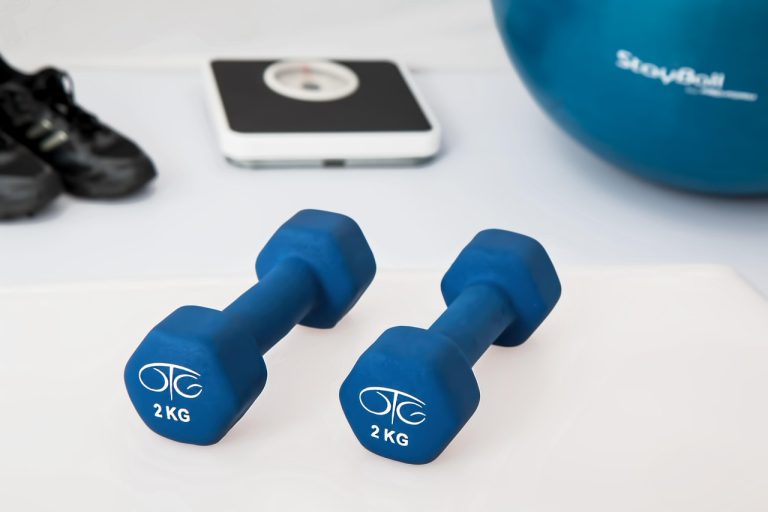
It’s easy to think you need hours at the gym to make a difference in your health and fitness. But the truth is, incorporating just a few simple exercises into your daily routine can have a significant impact on your well-being. These easy daily exercises are designed to be manageable, effective, and easily integrated into even the busiest schedules, helping you build a foundation for a healthier, more active lifestyle.
The Power of Daily Movement
Why Incorporate Daily Exercise?
Adding even a small amount of exercise into your daily routine provides a multitude of benefits. It’s not just about physical appearance; it’s about overall health. Studies have shown that regular physical activity can reduce the risk of chronic diseases, improve mental health, and boost energy levels.
- Improved Cardiovascular Health: Regular movement strengthens your heart and improves blood circulation.
- Weight Management: Exercise helps burn calories and build muscle mass, contributing to weight loss or maintenance.
- Enhanced Mood: Physical activity releases endorphins, which have mood-boosting effects.
- Reduced Risk of Chronic Diseases: Regular exercise can help prevent or manage conditions like type 2 diabetes, heart disease, and some cancers.
- Increased Energy Levels: Counterintuitively, exercise can actually increase your energy levels by improving circulation and reducing fatigue.
- Actionable Takeaway: Commit to dedicating just 15-30 minutes each day to simple exercises. Even breaking it down into smaller chunks throughout the day can be effective.
Simple Bodyweight Exercises You Can Do Anywhere
Squats: Building Strength and Stability
Squats are a fantastic exercise for working your legs and glutes. They require no equipment and can be done almost anywhere.
- How to Perform: Stand with your feet shoulder-width apart, toes slightly pointed outward. Lower your hips as if you’re sitting in a chair, keeping your back straight and your core engaged. Aim to get your thighs parallel to the ground, or as low as you comfortably can. Push back up to the starting position.
- Modifications: If you’re new to squats, start with wall squats for added support. As you get stronger, you can add weights or resistance bands for a greater challenge.
- Repetitions: Aim for 10-15 repetitions for 2-3 sets.
Push-Ups: Upper Body Powerhouse
Push-ups are a classic exercise for strengthening your chest, shoulders, and triceps.
- How to Perform: Start in a plank position with your hands shoulder-width apart, fingers pointing forward. Lower your body until your chest almost touches the ground, keeping your back straight and your core engaged. Push back up to the starting position.
- Modifications: If push-ups are too challenging, start with knee push-ups or incline push-ups (placing your hands on a raised surface).
- Repetitions: Aim for as many repetitions as you can with good form, for 2-3 sets.
Plank: Core Strengthening Superstar
The plank is an excellent exercise for strengthening your core muscles, which are essential for stability and posture.
- How to Perform: Start in a plank position with your forearms on the ground, elbows directly beneath your shoulders. Keep your body in a straight line from head to heels, engaging your core muscles. Hold this position.
- Modifications: If a full plank is too difficult, start with a modified plank on your knees.
- Duration: Aim to hold the plank for 30-60 seconds, for 2-3 sets.
- Actionable Takeaway: Choose 2-3 bodyweight exercises and perform them daily. Focus on proper form to avoid injuries.
Incorporating Cardio Into Your Daily Routine
Walking: A Simple and Effective Cardio Option
Walking is one of the easiest and most accessible forms of exercise. It requires no special equipment and can be done virtually anywhere.
- Benefits: Improves cardiovascular health, boosts mood, helps with weight management, and is gentle on the joints. Studies show that even a brisk 30-minute walk each day can significantly reduce the risk of heart disease.
- How to Incorporate: Take a walk during your lunch break, walk to work or school, or take the stairs instead of the elevator.
- Duration: Aim for at least 30 minutes of brisk walking most days of the week.
Jumping Jacks: A Quick Burst of Energy
Jumping jacks are a great way to get your heart rate up quickly.
- How to Perform: Stand with your feet together and your arms at your sides. Jump up, spreading your feet shoulder-width apart and raising your arms overhead. Jump back to the starting position.
- Benefits: Improves cardiovascular health, burns calories, and can be done almost anywhere.
- Repetitions: Aim for 20-30 repetitions for 2-3 sets.
Stair Climbing: A Powerful Leg Workout
If you have access to stairs, stair climbing is an excellent way to strengthen your legs and improve your cardiovascular health.
- How to Incorporate: Take the stairs instead of the elevator or escalator whenever possible. You can also do stair workouts by climbing up and down a set of stairs for a designated period of time.
- Benefits: Strengthens legs and glutes, improves cardiovascular health, and burns calories.
- Actionable Takeaway: Add a short cardio session to your daily routine, even if it’s just a 15-minute walk.
Stretching and Flexibility: Essential for Recovery and Injury Prevention
Importance of Stretching
Stretching is often overlooked but it’s a crucial part of any fitness routine. It improves flexibility, reduces muscle soreness, and prevents injuries.
- Benefits: Increases flexibility, improves range of motion, reduces muscle tension, and prevents injuries.
- When to Stretch: After exercise when your muscles are warm, or throughout the day to relieve tension.
Simple Stretches to Include
- Hamstring Stretch: Sit on the floor with your legs extended. Reach towards your toes, keeping your back straight.
- Quad Stretch: Stand holding onto a chair or wall for balance. Grab your foot and pull it towards your glutes.
- Calf Stretch: Stand facing a wall, place one foot slightly behind the other, and lean into the wall, feeling the stretch in your calf.
- Shoulder Stretch: Reach one arm across your body and use your other arm to gently pull it closer to your chest.
- Tricep Stretch: Raise one arm overhead and bend it at the elbow, reaching towards your upper back. Use your other hand to gently pull your elbow closer to your head.
- Actionable Takeaway: Dedicate 5-10 minutes each day to stretching, focusing on major muscle groups.
Making Exercise a Habit: Consistency is Key
Setting Realistic Goals
One of the biggest reasons people fail to stick to an exercise routine is setting unrealistic goals. Start small and gradually increase the intensity and duration of your workouts.
- Example: Instead of aiming to run a marathon, start by walking for 30 minutes three times a week.
Finding Activities You Enjoy
Exercise doesn’t have to be a chore. Find activities that you enjoy and you’re more likely to stick with them.
- Options: Dancing, swimming, hiking, yoga, playing sports, or even gardening.
Tracking Your Progress
Tracking your progress can help you stay motivated and see how far you’ve come.
- Methods: Use a fitness tracker, keep a workout journal, or use a mobile app.
Making It a Routine
Schedule your workouts into your day like any other important appointment.
- Tip: Set a reminder on your phone or calendar to ensure you don’t forget.
- Actionable Takeaway:* Set realistic goals, find activities you enjoy, and track your progress to stay motivated.
Conclusion
Incorporating easy daily exercises into your life doesn’t require drastic changes or hours at the gym. By starting with simple bodyweight exercises, adding cardio, stretching regularly, and making exercise a habit, you can significantly improve your overall health and well-being. Remember, consistency is key, and even small amounts of exercise can make a big difference. Start today and enjoy the benefits of a more active and healthier lifestyle!