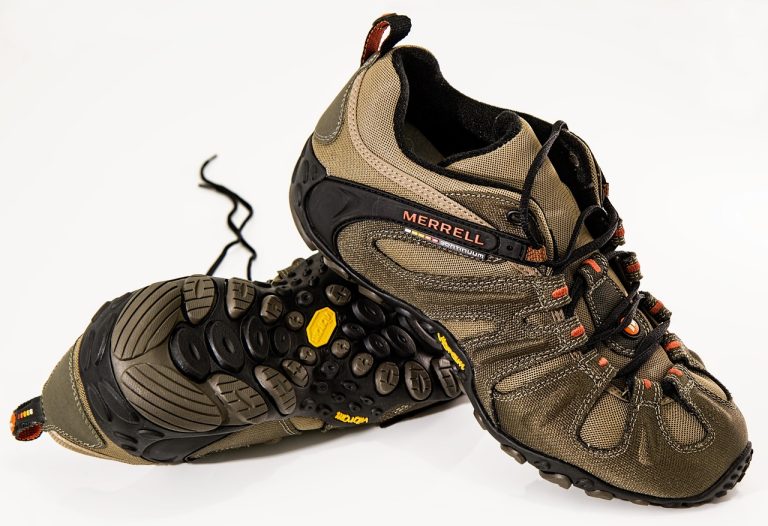
Juggling work, family, and personal commitments can leave you feeling drained, with the idea of squeezing in a workout seeming impossible. However, prioritizing after-work fitness doesn’t have to be a monumental task. It’s an investment in your physical and mental well-being that pays dividends in increased energy, reduced stress, and improved overall quality of life. This guide will provide you with practical strategies and actionable tips to make after-work fitness a sustainable and enjoyable part of your routine.
The Benefits of After-Work Fitness
After a long day at work, the gym might be the last place you want to be. But the benefits of engaging in physical activity after work are undeniable and extend far beyond just physical appearance.
Physical Health Improvements
- Improved Cardiovascular Health: Regular exercise strengthens your heart and improves blood circulation, reducing the risk of heart disease, stroke, and other cardiovascular problems.
- Weight Management: Exercise helps you burn calories and build muscle, which can contribute to weight loss or maintenance. A brisk walk after work can make a real difference!
- Increased Energy Levels: Counterintuitively, physical activity boosts energy levels by improving circulation and delivering oxygen and nutrients to your tissues. Ditch the post-work slump!
- Stronger Bones and Muscles: Weight-bearing exercises like walking, running, and strength training help build and maintain strong bones and muscles, reducing the risk of osteoporosis and injuries.
Mental Well-being Boost
- Stress Reduction: Exercise is a natural stress reliever. Physical activity triggers the release of endorphins, which have mood-boosting effects and can help you unwind after a stressful day.
- Improved Sleep Quality: Regular exercise can improve the quality of your sleep, helping you fall asleep faster and sleep more soundly. Just be mindful of exercising too close to bedtime, as it could have the opposite effect for some.
- Enhanced Mood: Exercise can alleviate symptoms of anxiety and depression by increasing serotonin levels in the brain. Even a short walk can significantly improve your mood.
- Increased Self-Esteem: Achieving fitness goals and seeing progress in your physical abilities can boost your self-esteem and confidence.
Planning Your After-Work Fitness Routine
The key to successful after-work fitness is careful planning and preparation. A well-structured routine increases your chances of sticking with it long-term.
Setting Realistic Goals
- Start Small: Don’t try to overhaul your entire lifestyle overnight. Begin with small, achievable goals, such as exercising for 30 minutes three times a week.
- Be Specific: Instead of saying “I want to get in shape,” set specific goals, such as “I want to be able to run a 5k in three months.”
- Track Your Progress: Monitoring your progress can help you stay motivated and make adjustments to your routine as needed. Use a fitness tracker, journal, or app to track your workouts.
- Reward Yourself: Celebrate your achievements along the way to stay motivated. Treat yourself to a massage, a new workout outfit, or a healthy meal.
Choosing the Right Activities
- Consider Your Interests: Choose activities that you enjoy and that fit your lifestyle. If you hate running, don’t force yourself to run. Explore other options like swimming, cycling, dancing, or yoga.
- Assess Your Fitness Level: Start with activities that are appropriate for your current fitness level. Gradually increase the intensity and duration of your workouts as you get stronger.
- Variety is Key: Incorporate a variety of exercises into your routine to prevent boredom and work different muscle groups. Try mixing cardio with strength training and flexibility exercises.
- Think About Logistics: Consider factors such as location, time constraints, and access to equipment. If you have limited time, choose activities that you can do at home or near your workplace.
Scheduling Your Workouts
- Treat it Like an Appointment: Block out time in your calendar for your workouts and treat them like any other important appointment.
- Find a Time That Works For You: Experiment with different times to see what works best for your schedule and energy levels. Some people prefer to exercise immediately after work, while others prefer to wait until later in the evening.
- Prepare in Advance: Pack your gym bag the night before to save time and avoid making excuses.
- Be Flexible: Life happens, so don’t beat yourself up if you miss a workout. Just get back on track as soon as possible.
Effective After-Work Workout Ideas
There’s a workout to fit every lifestyle. Here are a few ideas you can try:
Gym Workouts
- Strength Training: Focus on compound exercises like squats, deadlifts, bench presses, and overhead presses. Aim for 2-3 sets of 8-12 repetitions.
- Cardio: Use the treadmill, elliptical, stationary bike, or rowing machine. Aim for at least 30 minutes of moderate-intensity cardio.
- Group Fitness Classes: Try a Zumba, spin, yoga, or Pilates class. These classes provide a fun and social way to get a workout.
Home Workouts
- Bodyweight Exercises: Do push-ups, squats, lunges, planks, and crunches.
- Online Fitness Videos: Follow along with workout videos on YouTube or other online platforms. There are countless free or low-cost options available.
- Yoga or Pilates: Practice yoga or Pilates using online videos or apps.
- Walking or Running: Take a brisk walk or run in your neighborhood.
Outdoor Activities
- Hiking: Explore local trails and enjoy the scenery.
- Cycling: Ride your bike to work or take a leisurely bike ride in the park.
- Swimming: Swim laps at a local pool or lake.
- Team Sports: Join a recreational sports league, such as basketball, soccer, or volleyball.
Example Routine for Beginners
- Monday: 30-minute brisk walk
- Tuesday: Bodyweight circuit (3 rounds of 10 squats, 10 push-ups, 10 lunges per leg, 15 crunches, 30-second plank)
- Wednesday: Rest
- Thursday: 30-minute brisk walk
- Friday: Yoga or stretching (20-30 minutes)
- Saturday: Outdoor activity (hiking, cycling, swimming)
- Sunday: Rest
Overcoming Common Obstacles
Even with the best intentions, sticking to an after-work fitness routine can be challenging. Here’s how to overcome some common obstacles:
Time Constraints
- Shorten Your Workouts: Even a 15-20 minute workout is better than nothing. Focus on high-intensity interval training (HIIT) to maximize your results in a short amount of time.
- Multi-task: Walk or bike to work, do squats while you brush your teeth, or take the stairs instead of the elevator.
- Incorporate Activity Into Your Commute: Get off the bus or train a stop early and walk the rest of the way, or park farther away from your workplace.
- Utilize Lunch Breaks: Squeeze in a quick workout during your lunch break, such as a brisk walk or a short gym session.
Fatigue
- Fuel Your Body Properly: Eat a healthy and balanced diet that includes plenty of fruits, vegetables, and protein.
- Stay Hydrated: Drink plenty of water throughout the day.
- Prioritize Sleep: Aim for 7-8 hours of sleep per night.
- Listen to Your Body: If you’re feeling overly fatigued, take a rest day or do a lighter workout.
Lack of Motivation
- Find a Workout Buddy: Exercising with a friend or family member can help you stay motivated and accountable.
- Join a Fitness Community: Surround yourself with like-minded people who share your passion for fitness.
- Reward Yourself: Set small, achievable goals and reward yourself when you reach them.
- Change Your Routine: If you’re bored with your current routine, try something new.
Conclusion
Making after-work fitness a priority is an investment in your long-term health and well-being. By planning carefully, choosing activities you enjoy, and overcoming common obstacles, you can successfully incorporate exercise into your daily routine and reap the numerous physical and mental benefits it offers. Remember to start small, be patient with yourself, and celebrate your progress along the way. Your health is worth it!