Juggling work, family, and social life often leaves little time for self-care, especially when it comes to fitness. But what if you could squeeze in a highly effective workout in the evening, leaving you feeling energized and ready to tackle anything? Evening quick workouts are the perfect solution for busy individuals looking to boost their health and fitness without sacrificing precious time. This guide will provide you with everything you need to know to create your own efficient and effective evening exercise routine.
The Power of Evening Workouts
Benefits of Evening Exercise
Evening workouts offer a range of benefits that can significantly improve your physical and mental well-being. Integrating even a short session into your routine can lead to long-term positive outcomes.
- Stress Relief: Exercise is a proven stress reliever. After a long day, it helps release tension and promotes relaxation. Studies show that physical activity boosts endorphins, which act as natural mood elevators.
- Improved Sleep Quality: While intense workouts close to bedtime might disrupt sleep for some, moderate evening exercise can actually improve sleep quality. It helps regulate your sleep cycle, making it easier to fall asleep and stay asleep.
- Enhanced Muscle Growth: Research suggests that muscles may respond better to training in the evening due to hormonal fluctuations. Your body’s natural testosterone levels tend to be higher later in the day, which can aid in muscle protein synthesis.
- Increased Metabolism: Evening workouts can help boost your metabolism, which can contribute to weight management and overall energy expenditure.
- Better Adherence: For many, evenings are less chaotic than mornings. This makes it easier to establish and maintain a consistent workout routine.
Addressing Common Concerns
Many people have concerns about exercising in the evening, such as its impact on sleep or energy levels. Here’s how to address those concerns:
- Timing is Key: Avoid intense workouts too close to bedtime. Aim to finish your workout at least 2-3 hours before you go to sleep.
- Hydration: Drink plenty of water throughout the day and continue to hydrate during and after your workout.
- Nutrition: Avoid heavy meals right before your workout. A light snack, like a banana or a handful of nuts, can provide the energy you need.
- Listen to Your Body: Pay attention to how your body responds to evening workouts. If you find it disrupts your sleep, adjust the intensity or timing.
Designing Your Quick Evening Workout
Choosing the Right Type of Workout
The best type of evening workout depends on your fitness goals and preferences. Here are a few popular options:
- High-Intensity Interval Training (HIIT): HIIT workouts involve short bursts of intense exercise followed by brief recovery periods. They are highly effective for burning calories and improving cardiovascular health. Example: 20 seconds of burpees, followed by 10 seconds of rest, repeated for 10-15 minutes.
- Strength Training: Focus on compound exercises that work multiple muscle groups simultaneously, such as squats, push-ups, and rows. Example: 3 sets of 10-12 repetitions of each exercise, with minimal rest in between sets.
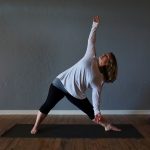
- Yoga or Pilates: These are excellent options for improving flexibility, balance, and core strength. They also promote relaxation and stress reduction. Example: Follow a 20-30 minute online yoga or Pilates routine focusing on stretching and strengthening.
- Cardio: A brisk walk, jog, or bike ride can be a great way to get your heart rate up and burn calories. Example: A 30-minute brisk walk or jog in your neighborhood or on a treadmill.
Sample Workout Routines
Here are a few sample evening workout routines you can try:
- HIIT Workout (15 minutes):
Warm-up (2 minutes): Jumping jacks, high knees, butt kicks
Workout (10 minutes):
– Burpees (30 seconds)
– Rest (15 seconds)
– Mountain Climbers (30 seconds)
– Rest (15 seconds)
– Squat Jumps (30 seconds)
– Rest (15 seconds)
– Push-ups (30 seconds)
– Rest (15 seconds)
– Plank (30 seconds)
– Rest (15 seconds)
Repeat the circuit twice
Cool-down (3 minutes): Static stretching
- Strength Training Workout (20 minutes):
Warm-up (2 minutes): Arm circles, leg swings
Workout (15 minutes):
– Squats (3 sets of 10-12 reps)
– Push-ups (3 sets of as many reps as possible)
– Dumbbell Rows (3 sets of 10-12 reps per arm)
– Plank (3 sets, hold for 30-60 seconds)
Cool-down (3 minutes): Static stretching
- Yoga/Pilates Workout (25 minutes):
Warm-up (5 minutes): Gentle stretching, cat-cow pose
Workout (15 minutes):
– Sun Salutations (5 rounds)
– Plank (30 seconds)
– Downward-Facing Dog (30 seconds)
– Warrior Poses (30 seconds each side)
– Bridge Pose (30 seconds)
Cool-down (5 minutes): Savasana (Corpse Pose)
Maximizing Efficiency
Proper Warm-up and Cool-down
Never skip the warm-up and cool-down phases. These are essential for preventing injuries and promoting recovery.
- Warm-up: Prepare your muscles for exercise with 5-10 minutes of light cardio and dynamic stretching. Examples include arm circles, leg swings, and torso twists.
- Cool-down: Gradually decrease your heart rate and stretch your muscles with 5-10 minutes of static stretching. Hold each stretch for 20-30 seconds. Focus on major muscle groups.
Utilizing Bodyweight Exercises
Bodyweight exercises are convenient and effective, requiring no equipment. They are perfect for quick evening workouts at home.
- Squats: Works your quads, glutes, and hamstrings.
- Push-ups: Targets your chest, shoulders, and triceps.
- Lunges: Strengthens your legs and glutes.
- Plank: Engages your core muscles.
- Burpees: A full-body exercise that combines cardio and strength.
Optimizing Rest Intervals
Keep rest intervals short to maximize the intensity and efficiency of your workout.
- HIIT: Aim for rest intervals that are half the duration of your work intervals. Example: 30 seconds of work, 15 seconds of rest.
- Strength Training: Keep rest intervals between 30-60 seconds between sets.
Staying Consistent
Setting Realistic Goals
Setting realistic and achievable goals is crucial for staying motivated and consistent with your evening workout routine.
- Start Small: Begin with shorter workouts and gradually increase the duration and intensity as you get fitter.
- Focus on Consistency: Aim to workout at least 3-4 times per week.
- Track Your Progress: Monitor your workouts and track your progress to stay motivated and see how far you’ve come. Use a fitness tracker, journal, or app to log your workouts.
Creating a Routine
Establishing a routine makes it easier to stick to your workout plan.
- Schedule Your Workouts: Treat your workouts like important appointments and schedule them into your calendar.
- Prepare in Advance: Lay out your workout clothes and equipment the night before.
- Find a Workout Buddy: Exercising with a friend can provide extra motivation and accountability.
Avoiding Burnout
Overdoing it can lead to burnout and injury.
- Listen to Your Body: Pay attention to your body and rest when needed.
- Vary Your Workouts: Mix up your routines to prevent boredom and work different muscle groups.
- Prioritize Rest and Recovery:* Ensure you are getting enough sleep and proper nutrition to support your workouts.
Conclusion
Evening quick workouts are a fantastic way to improve your health and fitness, even with a busy schedule. By understanding the benefits, designing effective routines, maximizing efficiency, and staying consistent, you can make exercise a sustainable part of your lifestyle. Start small, listen to your body, and enjoy the process. You’ll be amazed at the positive impact a few minutes of evening exercise can have on your overall well-being.