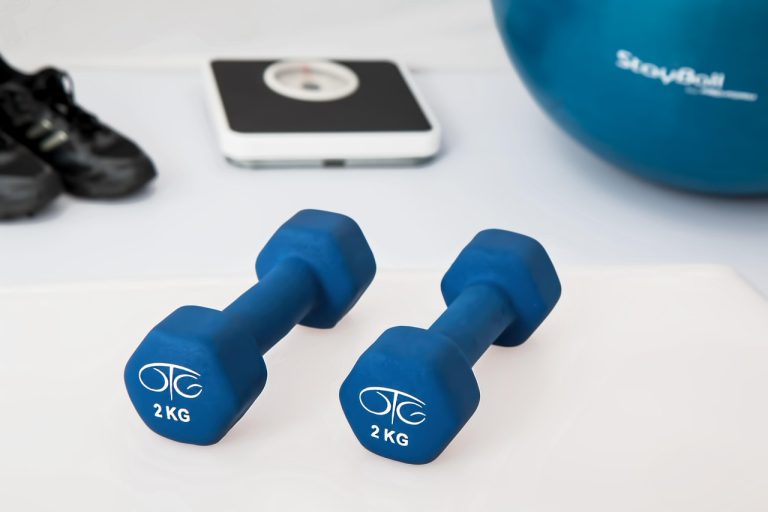
Embarking on a fitness journey is a fantastic decision for your overall health and well-being. However, stepping into the world of exercise and healthy eating can feel overwhelming, with so much information available. Where do you start? What’s the right approach for you? This guide is designed to provide a clear, practical roadmap for those new to fitness, helping you navigate the initial hurdles and build sustainable, healthy habits.
Setting Realistic Fitness Goals
Starting with achievable goals is crucial for long-term success. Avoid setting unrealistic expectations that can lead to discouragement and burnout.
Defining Your “Why”
- Identify your motivations: Why do you want to get fit? Is it to improve your physical health, boost your mental well-being, gain energy, or simply feel better in your clothes? Understanding your “why” provides a strong foundation for your journey.
- Write it down: Putting your goals in writing makes them more tangible and helps you stay focused. For example, instead of “I want to lose weight,” try “I want to lose 10 pounds in the next three months by exercising three times a week and making healthier food choices.”
SMART Goal Setting
Use the SMART framework to create effective goals:
- Specific: Clearly define what you want to achieve.
Example: Instead of “Get in shape,” try “Be able to run a 5k.”
- Measurable: How will you track your progress?
Example: “Lose 1 pound per week” or “Increase my squat weight by 5 pounds every two weeks.”
- Achievable: Set goals that are challenging but within your reach.
Example: If you haven’t exercised in years, don’t aim to run a marathon next month. Start with walking 30 minutes a day.
- Relevant: Ensure your goals align with your overall values and priorities.
Example: If your goal is to improve your cardiovascular health, running, swimming, or cycling are more relevant than solely focusing on weightlifting.
- Time-bound: Set a deadline for achieving your goals.
Example: “Run a 5k in six months” or “Lose 10 pounds in three months.”
The Importance of Patience
Fitness is a marathon, not a sprint. Be patient with yourself and celebrate small victories along the way. Remember that progress isn’t always linear, and there will be days when you feel like you’re not making any headway. Don’t give up!
Creating a Workout Plan
A structured workout plan provides guidance and helps you stay consistent.
Choosing Activities You Enjoy
- Experiment: Try different types of exercise until you find activities you genuinely enjoy. This could include walking, running, swimming, cycling, dancing, yoga, Pilates, weightlifting, or team sports.
- Consider your preferences: Are you an introvert who prefers solo workouts or an extrovert who thrives in group classes? Choose activities that align with your personality.
- Don’t be afraid to switch it up: Variety can prevent boredom and keep you motivated. Mix different types of workouts into your weekly routine.
Sample Beginner Workout Plan (3 days/week)
- Monday: 30-minute brisk walk or light jog. Focus on maintaining a comfortable pace.
- Wednesday: Bodyweight strength training (3 sets of 10-12 repetitions for each exercise):
Squats
Push-ups (modified on your knees if needed)
Lunges
Plank (hold for 30 seconds)
Crunches
- Friday: Yoga or Pilates class for flexibility and core strength. Online videos are a great resource.
Rest and Recovery
- Prioritize sleep: Aim for 7-9 hours of sleep per night to allow your body to recover and rebuild muscle.
- Active recovery: Incorporate light activities like stretching, walking, or foam rolling on your rest days to improve blood flow and reduce muscle soreness.
- Listen to your body: Don’t push yourself too hard, especially when you’re first starting out. Rest when you need it and avoid overtraining.
Nutrition for Beginners
Healthy eating is just as important as exercise when it comes to achieving your fitness goals.
Focusing on Whole Foods
- Fruits and vegetables: Aim to fill half your plate with fruits and vegetables at each meal. They are packed with vitamins, minerals, and fiber.
- Lean protein: Choose lean protein sources like chicken, fish, beans, lentils, tofu, and Greek yogurt to help build and repair muscle.
- Whole grains: Opt for whole grains like brown rice, quinoa, oats, and whole-wheat bread over refined grains like white rice and white bread.
- Healthy fats: Include healthy fats in your diet from sources like avocados, nuts, seeds, and olive oil.
Hydration is Key
- Drink plenty of water: Aim for at least eight glasses of water per day. Water helps regulate body temperature, transport nutrients, and remove waste products.
- Carry a water bottle: Keep a water bottle with you throughout the day and refill it regularly.
Simple Meal Planning
- Plan your meals in advance: This helps you make healthier choices and avoid impulsive eating.
- Prepare your meals at home: Cooking your own meals allows you to control the ingredients and portion sizes.
- Start small: Don’t try to overhaul your entire diet overnight. Make gradual changes, such as adding more fruits and vegetables to your meals or swapping sugary drinks for water.
Staying Motivated and Consistent
Motivation can fluctuate, so it’s important to have strategies in place to stay consistent with your fitness routine.
Finding an Accountability Partner
- Workout buddy: Find a friend, family member, or colleague who shares your fitness goals and commit to working out together.
- Support group: Join a fitness community online or in person for support and encouragement.
- Personal trainer: Consider working with a personal trainer for personalized guidance and motivation.
Tracking Your Progress
- Journaling: Keep a fitness journal to track your workouts, meals, and progress.
- Fitness apps: Use fitness apps to monitor your activity levels, track your food intake, and set goals.
- Progress photos: Take progress photos regularly to visually track your physical changes.
Rewarding Yourself (Healthily!)
- Set non-food rewards: Reward yourself for reaching milestones with things like a new workout outfit, a massage, or a fun activity.
- Celebrate small victories: Acknowledge and celebrate your achievements along the way, no matter how small they may seem.
Conclusion
Embarking on a fitness journey is a transformative experience. Remember that it’s a process, not a destination. By setting realistic goals, creating a workout plan, focusing on healthy eating, and staying motivated, you can build sustainable habits that will improve your health and well-being for years to come. Be patient, persistent, and enjoy the journey!